
Step into a family home in Tetouan, Tangier, or Chefchaouen during a festive gathering, and you will encounter a culinary language quite distinct from the rest of Morocco. While the interior plains of Fez and Marrakech celebrate intense cumin, saffron, and slow-braised meats, the kitchens of the north whisper of the gardens of Granada, the coastlines of Valencia, and the orchard valleys of Al-Andalus. The sweet-and-savory interplay, the generous use of orange blossom water, almonds, and vinegar-based marinades, and the refined art of pastry making all bear witness to a centuries-old story of migration and cultural preservation.
When the Moors and Sephardic Jews were expelled from the Iberian Peninsula between the late 15th and early 17th centuries, they brought more than their house keys and musical traditions to North Africa. They carried memory through flavor, transferring medieval Spanish culinary techniques directly into the domestic life of Northern Morocco. Today, this living heritage shapes not only what northern Moroccans cook, but how families gather, celebrate, and pass down identity from generation to generation.
The Historical Wave: How Al-Andalus Reshaped Northern Moroccan Kitchens
The fall of Granada in 1492 and the subsequent decree of expulsion led tens of thousands of Andalusians to cross the Strait of Gibraltar. While many settled across North Africa, the highest concentration of aristocratic and urban refugees re-established themselves in northern Moroccan enclaves. Tetouan, rebuilt largely by Andalusian refugees under the leadership of Sidi Al-Mandri, became known as the "Daughter of Granada." Tangier, Chefchaouen, and Asilah similarly absorbed large populations who sought to recreate their lost Iberian world.
In these new northern Moroccan strongholds, Andalusian refugees integrated their sophisticated agricultural techniques and refined kitchen habits into local Amazigh (Berber) practices. They introduced expanded irrigation systems that turned northern valleys into lush orchards of citrus, figs, pomegranates, and quinces. They brought specialized baking equipment, intricate copper molds, and a mastery of preserving food through vinegar, olive oil, and salt—a legacy still visible today in northern-style marinades and pickles.
Core Signature Dishes of the Northern Andalusian Tradition
To taste Northern Moroccan food is to experience a subtle culinary dialogue between Iberian roots and North African spices. Below are key dishes where the Andalusian mark is most pronounced:
1. Pastilla (Bastilla) - Northern Style
Typical Ingredients: Paper-thin warqa pastry, shredded pigeon or chicken (and in northern coastal variations, fresh fish and seafood), almonds, cinnamon, sugar, and orange blossom water.
Connection to Al-Andalus: Pastilla represents the peak of Andalusian royal court cuisine, where delicate pastry arts met the Moorish affection for pairing savory meat with sweet aromatics.
When & Where: Served as the center-piece starter at weddings, Eid celebrations, and formal family dinners. Travelers can find authentic versions at traditional medina restaurants in Tetouan and Tangier, or order them through specialized domestic bakeries (moulat el-warqa).
2. Fish Escabeche (Sharmoula Bel-Khall)
Typical Ingredients: Fresh fried coastal fish (such as sardines, mackerel, or sea bass), marinating in garlic, paprika, cumin, olive oil, and a generous splash of vinegar.
Connection to Al-Andalus: The word escabeche itself traces back to the Arab-Andalusian term al-sikbaj (a sweet-and-sour vinegar marinade). While common across Spain, the northern Moroccan coastal version retains the intense ancient spice profile combined with local Mediterranean catch.
When & Where: Eaten during late morning or lunch, particularly in spring and summer. Best sampled in seafood stalls near the ports of Tangier and Larache or small family taverns in Tetouan.
3. Tagine de Poulet aux Coings ou aux Abricots (Chicken Tagine with Quince or Apricots)
Typical Ingredients: Free-range chicken braised with onions, saffron, ginger, and cinnamon, topped with caramelized quince (sfarjal) or apricots glazed in honey and orange blossom water.
Connection to Al-Andalus: The use of fruit to sweeten meat braises was a hallmark of medieval Moorish cooking, meticulously documented in 13th-century Andalusian cookbooks.
When & Where: Prepared for Friday family lunches and honored guests. Available at traditional riads and local home-style eateries throughout Chefchaouen and Tetouan.
4. Tagine Kraa Dalia (Sweet Pumpkin Tagine)
Typical Ingredients: Slow-cooked pumpkin or squash reduced with cinnamon, honey, toasted sesame seeds, and butter, often cooked alongside tender beef or lamb.
Connection to Al-Andalus: Reflects the courtly fondness for smooth, velvety textures and warm spices preserved from medieval Andalusian recipes.
When & Where: Eaten as a seasonal autumn/winter dish in private homes and classic medina restaurants.

Family Food Traditions and Special Occasions
In Northern Morocco, Andalusian heritage is not just historical trivia; it is an active family ritual, particularly preserved by women in domestic spaces. The transmission of recipes remains largely oral and experiential, passed from mothers and grandmothers to daughters and sons during major life milestones.
The Art of Northern Pastry: Kaab el Ghazal and Fekkas
During the days leading up to Eid al-Fitr or a family wedding, northern households transform into pastry workshops. The hallmark of northern pastry is precision and subtlety. Unlike the heavier honey-soaked sweets found elsewhere, Andalusian-influenced sweets prioritize pure almond paste, subtle orange blossom essence, and thin, unbleached dough wraps.
- Kaab el Ghazal (Gazelle Horns): The northern style demands an extraordinarily thin skin revealing pure, high-quality almond paste mixed with distilled orange blossom water and a touch of butter.
- Halwa Chebakia (Northern variation): Often lighter and more delicate than the southern varieties, emphasizing aromatic seed pastes and flower waters.
- Fekkas: Crisp, doubly baked almond biscuits closely related to Iberian biscotti and sweet bread traditions.
Distillation Season: Zhar and El Ward
In mid-spring (typically April), families in Tetouan and Chefchaouen participate in the annual distillation of Seville bitter orange blossoms (zhar) and Damask roses (ward). Using copper alembic stills (al-anbiq)—an invention refined in the Golden Age of Islamic science and brought directly from Al-Andalus—women distill pure floral waters used throughout the year to flavor desserts, sweeten tea, scent home air, and welcome guests.

Where to Taste Andalusian Culinary History in Northern Morocco
Tetouan: The Heart of Andalusian Heritage
- Why Visit: Tetouan’s UNESCO-listed Medina was rebuilt by Andalusian refugees and remains the purest stronghold of Andalusian-Moroccan culture.
- What to Taste: Traditional savory Pastilla, local artisanal goat cheese wrapped in palmetto leaves, and classical almond pastries from historic bakeries in the El Ensanche or Medina districts.
- How to Get There: Tetouan is approximately 1 hour by grand taxi or bus from Tangier. Sania Ramel Airport serves select regional and international flights.
- Practical Tip: Visit local spice merchants (attarin) near Bab El Oqla to purchase authentic Ras el Hanout mixes tailored specifically for northern sweet-savory braises.
Tangier: International Gateway with Coastal Flavors
- Why Visit: Tangier fuses its cosmopolitan maritime past with rich Andalusian seafood traditions.
- What to Taste: Fish Escabeche, anchovies in charmoula, and seafood pastilla at portside eateries or historic medina spots.
- How to Get There: Accessible via high-speed Al Boraq train from Casablanca and Rabat, international flights to Boukhalef Airport, or ferries from Tarifa/Algeciras.
Chefchaouen: Mountain Herbs and Valley Produce
- Why Visit: Beyond its iconic blue-washed walls, Chefchaouen preserves rural Andalusian agricultural traditions, emphasizing wild mountain herbs, fresh olive oil, and honey.
- What to Taste: Goat’s milk cheeses, wild thyme-infused honey, and slow-braised lamb tagines cooked over wood fires.
- How to Get There: 2 to 2.5 hours by bus or private grand taxi from Tangier or Tetouan.
Cultural Etiquette and Table Manners
- Hand Washing Routine: Before communal meals, a basin and kettle (tas wa ibriq) may be brought around for washing hands. Always wash hands before sitting at the table.
- Eating with the Right Hand: When sharing a central communal dish (such as a tagine or couscous), use your right hand only, utilizing fresh crusty bread (khobz) as your utensil.
- Respecting the Communal Triangle: Eat from the section of the tagine directly in front of you. Host family members will often push choice cuts of meat or fruit toward you as a sign of hospitality.
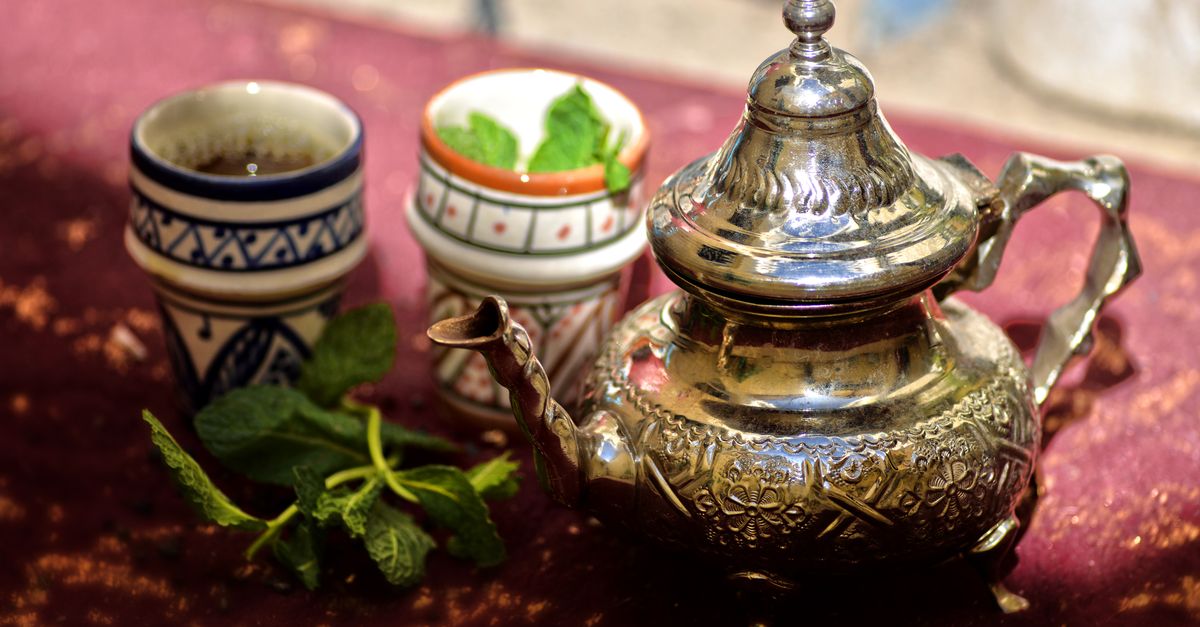
- Accepting Tea and Pastries: Refusing an offer of mint tea or homemade pastries when entering a home is seen as impolite. Accepting even a small glass signals goodwill.
Practical Trip Planning for Food Travelers
- Best Time to Visit: Spring (March to May) is ideal for pleasant weather, spring vegetable harvests, and the orange blossom distillation season. Autumn (September to November) offers fresh olive oil pressing and quince season.
- Time Needed: Allow 5 to 7 days to comfortably explore Tangier, Tetouan, and Chefchaouen without rushing.
- Money & Payment Realities: While major hotels and upscale restaurants accept international credit cards, cash (Moroccan Dirham - MAD) is essential for medina bakeries, street stalls, taxis, and local markets. ATMs are widely available in urban centers.
- Family Suitability: Northern Morocco is extraordinarily welcoming to families with children. Local restaurants easily accommodate flexible dining requests, and mild, sweet-savory dishes are typically very popular with younger travelers.
- Safety & Common Sense: Northern medinas are generally safe, but keep belongings secure in crowded markets. Respect local privacy when photographing family-run stalls or domestic bakeries. Always ask permission before taking close-up photos of craftspeople.
