
How to Visit a Traditional Moroccan Hammam: A Step-by-Step Guide for First-Time Travelers
Stepping into a Moroccan hammam for the first time can feel overwhelming, but it remains one of the most authentically immersive cultural experiences available in Morocco. Beyond being a place for bathing, the hammam is a cornerstone of daily social life, personal hygiene, and religious preparation across every city and village in the country.
This step-by-step guide removes the guesswork for first-time visitors. You will learn the crucial differences between public neighborhood bathhouses and private tourist spas, what supplies to bring, essential nudity etiquette, and exactly what happens during the invigorating exfoliation process from start to finish.
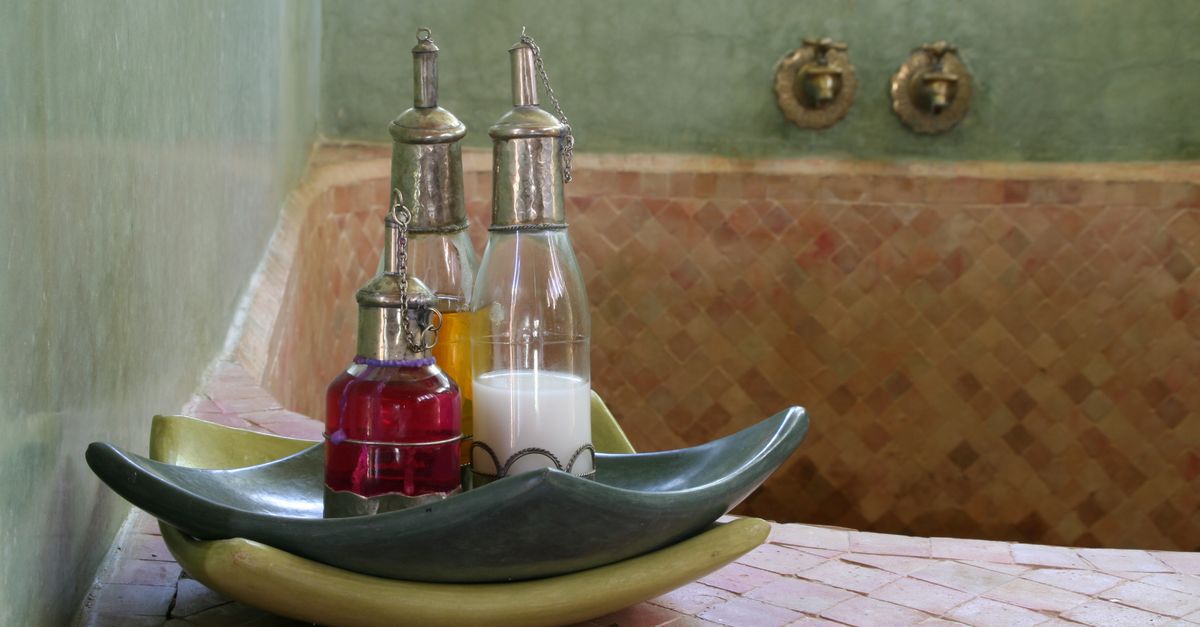
Understanding the Moroccan Hammam Tradition
The traditional hammam trace its origins back to Roman bathhouse culture, adapted over centuries to fit Islamic ritual purity standards (ghusl). Historically, before home plumbing was widespread, families visited the local public bathhouse weekly, typically on Thursdays or Fridays ahead of the main communal prayers.
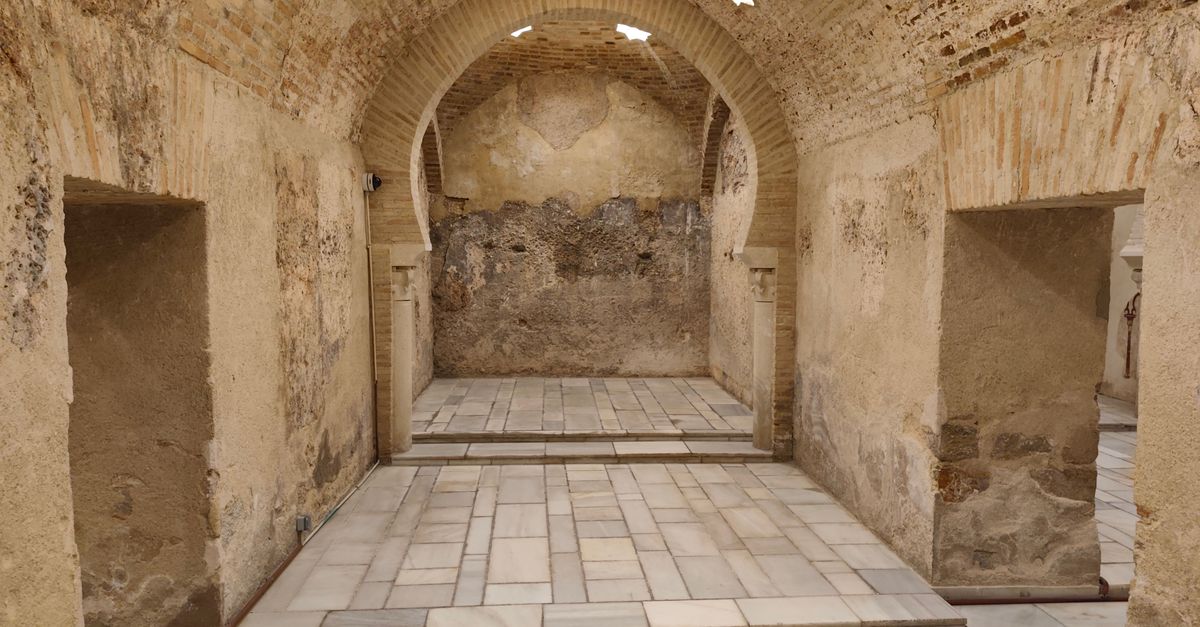
A classic neighborhood hammam consists of three main interconnected vaulted rooms, each progressively hotter than the last. Heat is generated by a wood-fired furnace (called a faran) located behind or beneath the structure, which often heats the water for the neighborhood bakery next door at the same time—an ingenious historical example of urban heat efficiency.
Visiting a hammam is not merely a pampering session; it is an intensive, deep-cleaning ritual designed to clear dead skin cells, improve circulation, and relax muscles in high-humidity steam.
Public Neighborhood Hammam vs. Tourist Spa Hammam
First-time travelers must decide between two distinct types of bathhouse experiences: authentic public neighborhood hammams or dedicated commercial spa hammams catered to tourists.
1. The Public Neighborhood Hammam (Hammam Shaabi)
These are local institutions where Moroccans go for routine weekly bathing. They offer zero luxury frills, but yield an unvarnished cultural perspective.
- The Experience: You sit on warm tiled or stone floors, fill plastic buckets with hot and cold water from warm faucets, and scrub yourself or hire an attendant (a tayaba for women, a kiyas for men).
- Cost: Entrance usually costs around 10 to 15 Moroccan Dirhams (MAD). Hiring an attendant for scrubbing costs an additional 30 to 50 MAD, plus small tips for floor attendants.
- Pros: Inexpensive, deeply authentic, raw cultural interaction.
- Cons: Requires bringing your own supplies, limited English/French spoken, completely unguided, basic sanitary conditions.
2. The Private or Spa Hammam
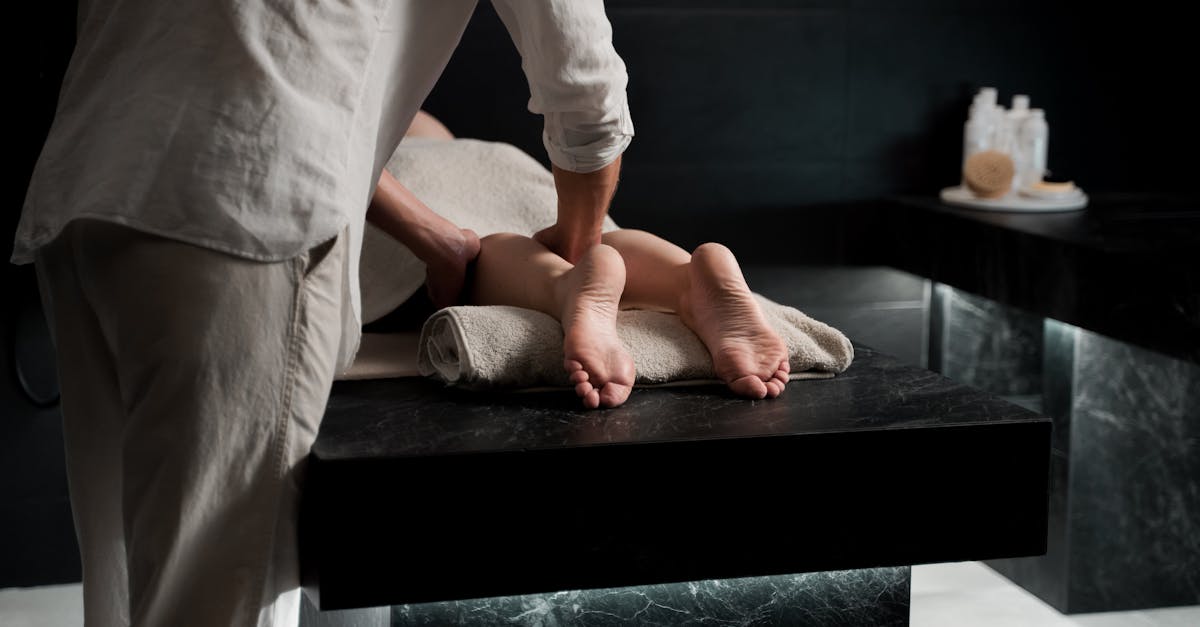
Designed primarily for travelers and modern locals seeking boutique relaxation, these facilities offer private rooms, English-speaking staff, and lush spa aesthetics.
- The Experience: You receive a guided treatment including application of black soap, professional exfoliation, clay masks, and optional argan oil massages in private ambient rooms.
- Cost: Prices typically range from 250 MAD to over 800 MAD depending on the tier, location, and added treatments.
- Pros: Seamless guidance, high hygiene standards, supplied toiletries, private towels, relaxed atmosphere.
- Cons: Considerably more expensive, less representative of ordinary daily life.
What to Pack for Your First Hammam Visit
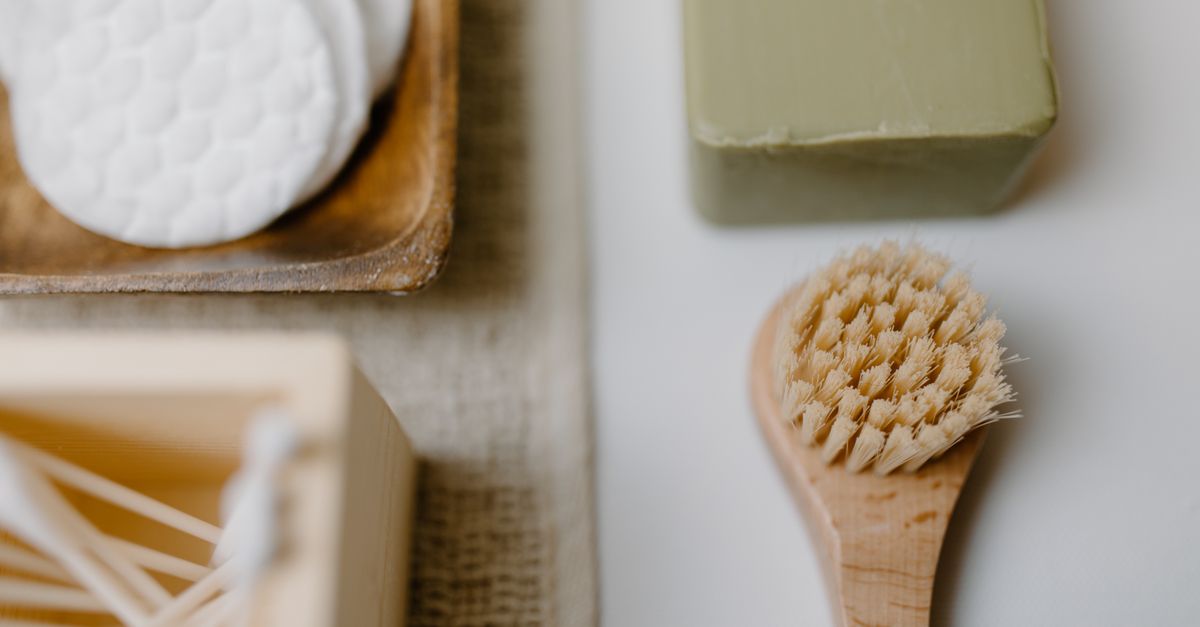
If you choose to visit a local neighborhood public hammam, you must bring your own toolkit. These essential items are sold at almost any local corner shop or medina market stall for a few dirhams:
- Savon Noir (Sabon Beldi): A thick, dark paste made from saponified olive oil and crushed black olives. It softens dead skin before scrubbing.
- Kessa Glove: A coarse, textured exfoliating glove specifically designed for rolling off dead skin. Buy a medium or coarse texture.
- Ghassoul (Rhassoul) Clay: A natural mineral clay mined from Morocco’s Atlas Mountains, often scented with rose water or lavender, used as a hair and body mask.
- Plastic Buckets & Scoop: Public hammams require small plastic buckets (or small bowls) to collect warm water from the central taps.
- Underwear or Bathing Bottoms: Essential for maintaining modesty standards.
- Flip-Flops / Plastic Sandals: Critical for hygiene and walking on slick, hot tile floors.
- Change of Clothes & Towel: Bring a dry towel and fresh undergarments to wear after the session.
Cultural Etiquette and Rules to Know Before You Go
Understanding local modesty norms prevents awkward situations for both you and local bathers. Rules differ noticeably by gender and facility type.
Gender Separation
Neighborhood hammams are strictly segregated. Larger bathhouses feature entirely separate entrances or facilities for men and women. Smaller neighborhood hammams split time slots: men usually visit early mornings and evenings, while women visit during the afternoon hours. Double-check local operating schedules before heading out.
Nudity Standards
- For Men: Complete nudity is strictly forbidden in public hammams. Men must wear swim trunks or basic underwear at all times.
- For Women: Women generally wear dark underwear bottoms or bikini bottoms. Full nudity occurs occasionally among local women in public spaces, but keeping underwear bottoms on is the standard recommendation for foreign travelers.
- In Private Spas: Disposal undergarments are typically provided, and staff will clearly instruct you on what to wear.
Step-by-Step: What Happens During a Hammam Session
Whether you choose a public facility or a private spa, the overall ritual follows a precise, centuries-old sequence.
Step 1: Undressing and Acclimating to the Heat
After leaving your dry clothes and valuables in the changing area, enter the first warm room wearing your sandals and underwear. Transition gradually into the warmer rooms, allowing your body to adapt to the steam. Sit or lie down on the floor for 10–15 minutes to allow humidity to open your pores and soften your skin.
Step 2: Applying the Savon Noir
Scoop a generous amount of dark savon noir paste and rub it across your entire body. The soap will not foam like standard bath products; instead, it creates a slick, oily layer. Let the soap sit on your warm skin for 5 to 10 minutes while relaxing in the steam room.
Step 3: Rinsing the Soap
Using warm water poured from a scoop or bucket, rinse off all traces of the black soap completely. Skin must be clean and free of soap residue so the textured glove can grip dead skin effectively.
Step 4: The Kessa Exfoliation Scrub
This is the core of the hammam experience. If you hired an attendant (recommended), lie down on your back or stomach. Using a firm kessa glove, the attendant will vigorously scrub your limbs, torso, and back using long stroke motions.
You will observe dark rolls of dead skin peeling off completely. Do not be alarmed—this is normal and indicates the treatment is working. If the pressure feels too intense, politely say "Shwiya, afak" (A little gentler, please).
Step 5: Clay Mask and Hair Washing (Optional)
Following the scrub, smooth ghassoul clay mixed with water or rose water can be applied to your skin and hair to nourish and soothe the freshly exfoliated surfaces. Wash your hair with shampoo at this stage, followed by a full bodily rinse with cool or lukewarm water.
Step 6: Cooling Down and Hydrating
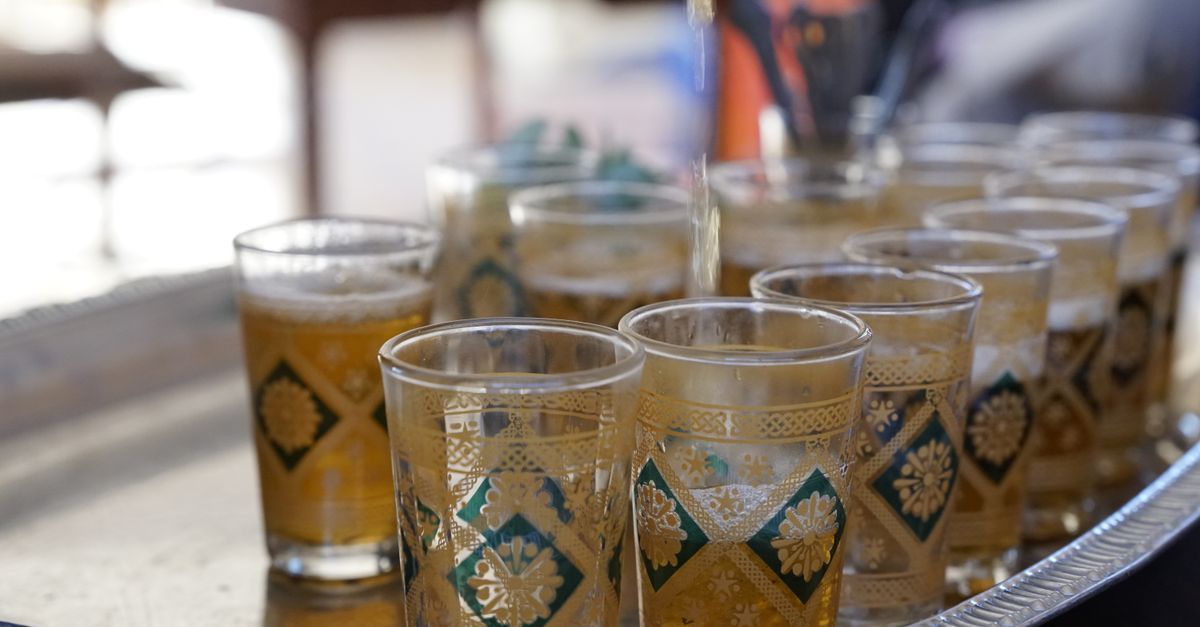
Slowly transition back through the cooler rooms to prevent dizziness. Once dressed in dry clothes, sit quietly in the reception area. Drinking water or traditional hot mint tea helps restore lost fluids and balances body temperature after intense steam exposure.
Practical Traveler Tips & Common Mistakes
- Stay Hydrated: Drink plenty of water before entering the steam room. High humidity and heat accelerate fluid loss.
- Avoid Shaving Immediately Before: Shaving your legs or face within 24 hours prior to a hammam visit causes severe stinging when the coarse glove and soap are applied.
- Protect Sensitive Skin: Tell your attendant if you have skin conditions, sunburns, or sensitive areas before the scrub begins.
- Cash Realities: Neighborhood hammams only accept physical cash (Dirhams). Keep small bills handy to pay for entry, supplies, and attendant tips.
- Pacing Yourself: Do not rush out immediately after the scrub. Allow 15–20 minutes in the cooling lounge to rest.
Final Takeaway for Travelers
Visiting a Moroccan hammam transforms basic travel hygiene into a deep cultural connection. For complete ease and relaxation, book a reputable private spa hammam for your first day or two in Morocco. Once you understand the flow of the process, challenge yourself to visit a local neighborhood hammam shaabi for an unforgettably authentic insight into daily Moroccan life.
