
For centuries, the public bathhouse—or hammam—has served as a vital cornerstone of Moroccan urban life, functioning as a place for personal hygiene, spiritual purification before Friday prayers, and community conversation. Today, international visitors to Marrakech, Fes, Essaouira, and Casablanca are presented with two distinct ways to experience this bath tradition: the authentic neighborhood traditional hammam or the upscale, private Moroccan luxury spa.
While both experiences utilize similar key elements—steam, black soap (savon noir), and deep exfoliation using a textured scrubbing glove (kessa)—the atmosphere, level of privacy, degree of vigor, and cost differ dramatically. Choosing the wrong option can result in either culture shock for those seeking luxury or a feeling of artificial tourist isolation for travelers looking for authentic local culture.
Understanding the Traditional Moroccan Hammam
A traditional neighborhood hammam is a functional public bathhouse designed primarily for local residents, many of whose historic home quarters in medinas lack extensive private hot water systems. These bathhouses are communal, functional, and deeply embedded in everyday social structures.
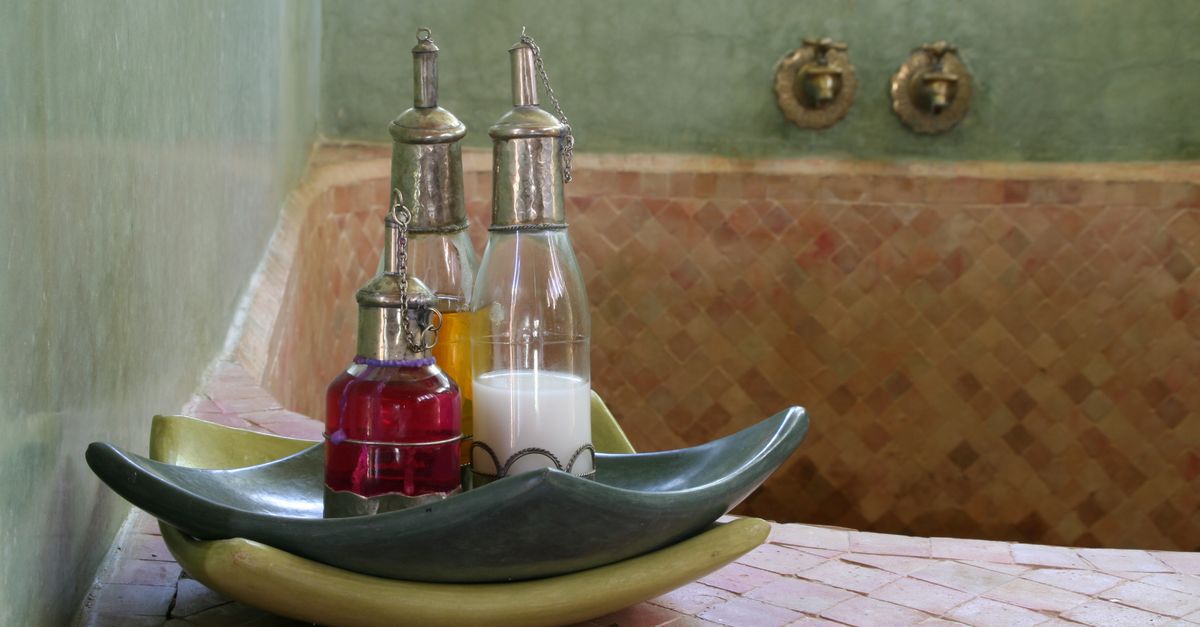
A public hammam typically consists of three connected domed rooms lined with tadelakt plaster or zellij tile work. Each room maintains a different temperature: the warm room (for acclimatizing and washing), the hot room (for sweating and scrubbing), and the cool room (for rinsing, dressing, and relaxing). Heat is traditionally generated by a wood-fired furnace (farran) located nearby, which often heats water for both the public bath and the community bread oven.
Men and women bathe separately. Public hammams either have two separate entrance wings for each gender or operate under alternating schedule shifts (for example, men in early morning and late evening; women from mid-morning through late afternoon).
What to Expect at a Modern Moroccan Spa
A luxury Moroccan spa—often located inside a boutique riad, a high-end hotel, or an independent wellness center—reinterprets the traditional ritual into a quiet, pampering wellness service tailored for private comfort.
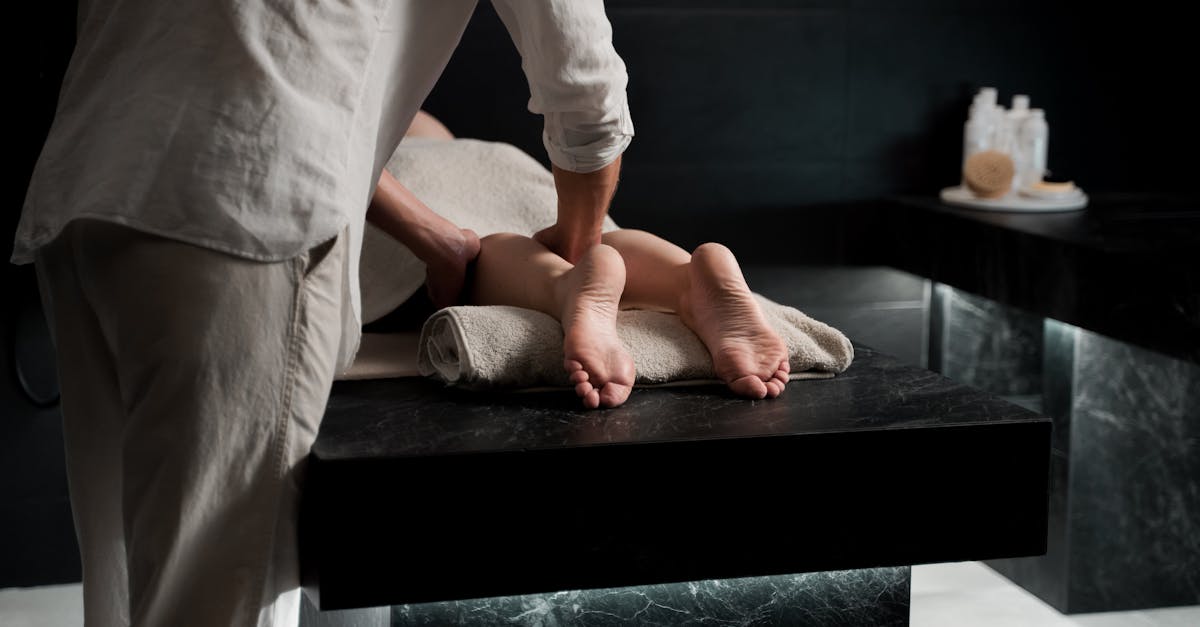
Unlike public bathhouses, luxury spas offer fully private steam suites or small semi-private heated marble rooms. You do not share space with local residents or other travelers. Instead of doing the washing yourself or hiring a resident attendant in a busy room, you are guided through the process by a trained spa therapist dedicated entirely to your treatment.
Spa facilities feature ambient lighting, soft acoustic music, essential oil aromatherapy, and plush robes. Additional services like full-body argan oil massages, facial treatments, and rosewater wraps are seamlessly integrated into the appointment.
Step-by-Step Experience: The Traditional Bathhouse Ritual
Navigating a public hammam requires bringing your own supplies and understanding the unwritten process. Here is how the step-by-step process unfolds in an authentic neighborhood setting:
- Preparation and Entry: You pay a small entrance fee at the desk (typically 10 to 20 Moroccan Dirhams). You purchase or bring your own soap, glove, plastic bucket, mat, and small water scoop.
- Changing Room: You undress in a communal changing area, keeping undergarments or swim bottoms on, wrap yourself in a towel, and carry your plastic buckets into the steam rooms.
- The Heat Phase: You move into the hottest steam room, fill your plastic buckets with hot water from the wall taps, sit on your rubber mat on the warm floor, and allow your pores to open for 15–20 minutes.
- Application of Savon Noir: You apply savon noir—a dark, gelatinous soap made from olive oil and crushed black olives—all over your damp skin. The soap softens dead skin layers without lathering.
- The Vigorous Scrub (Gommage): An attendant (tayaba for women, goyass for men) or a bathing partner uses a rough, woven nylon glove (kessa) to scrub the body thoroughly. Dead skin rolls off in dark strips; the process is notoriously firm and uninhibited.
- Rinsing and Clay Treatment: Buckets of warm water are poured directly over your head and body to wash away debris. Many bathers then apply ghassoul (mineral-rich Atlas mountain clay mixed with rosewater) to condition skin and hair before a final rinse.
Etiquette, Attire, and Cultural Norms
Cultural expectations vary significantly between public bathhouses and commercial tourism spas. Understanding these norms helps prevent embarrassing misunderstandings.
Nudity Standards
In traditional Moroccan hammams, complete nudity is generally considered inappropriate, especially for women. Women typically wear underwear bottoms or bikini bottoms, while going completely topless is common during the washing process. Men always wear shorts, swimming trunks, or briefs—total exposure is strictly avoided in male bathhouses. In commercial tourist spas, disposable underwear is provided, or visitors wear swimming suits based on house policies.
Interacting with Attendants
In public bathhouses, resident bath attendants operate independently. You pay them directly in cash for their labor after your scrub (customarily 30 to 50 MAD). Be prepared for firm physical handling; attendants move limbs efficiently to ensure a full scrub. If the pressure feels too painful, speak up politely.
Practical Comparison: Cost, Privacy, and Atmosphere
When deciding between a traditional neighborhood hammam and a luxury spa, consider the following practical differences:
- Cost: Public hammams cost around 10–20 MAD ($1–$2 USD) for entry, plus an additional 30–50 MAD ($3–$5 USD) for an attendant scrub. In contrast, boutique riad spas range from 300 to 1,200+ MAD ($30–$120+ USD) depending on included treatments.
- Privacy: Public hammams feature shared communal spaces separated strictly by gender. Tourist spas offer completely private suites suitable for individuals or couples.
- Language: Public hammams primarily operate in Darija (Moroccan Arabic) or French, with minimal English spoken. Spas catering to international travelers routinely offer English-fluent staff.
Culture & Local Cuisine Refreshment
After a cleansing session in the steam room, local culture dictates a period of cooling down and rehydration. In neighborhoods across Morocco, bathers typically visit a nearby mhancheh pastry stall or local cafe for fresh mint tea (Atay) served alongside traditional almond pastries or Sfenj—a crispy, deep-fried Moroccan donut made from unsweetened yeast dough. Sfenj dough is freshly shaped and fried in large cauldrons of hot oil, then sold warm in street markets near medina gates, especially in the late afternoon when bathers exit the hammam.
Important Attractions & Bathhouse Sites
When visiting Morocco's major historic cities, several noteworthy bathhouse destinations are available for travelers seeking both authentic immersion and refined relaxation:
Hammam Mouassine (Marrakech)
Located in the heart of the Marrakech Medina, Hammam Mouassine dates back to the 16th century, built as part of the Mouassine complex alongside its famous mosque and fountain. It remains one of the oldest operating neighborhood hammams in the city, providing authentic public bathing sessions with historical architectural charm. It is family-friendly within gender-segregated schedules, though visitors should bring their own supplies and prepare for a genuine local environment.
Boutique Riad Spas in Fes Medina
Fes El Bali features historic restoration projects where ancient tadelakt bathhouse structures inside traditional merchant mansions have been turned into private luxury spas. These sites offer a peaceful refuge from the bustling, vehicle-free alleys of Fes, providing high-end amenities, private steam rooms, and professional massage services.
