
To view the Moroccan hammam merely as a place to wash is to miss one of the most vital pillars of traditional North African civic life. For centuries, the public steam bath has served as a central meeting place where news is shared, family milestones are marked, and social divisions melt away in the humid heat. Understanding the hammam offers travelers a rare, authentic glimpse into the rhythm of daily Moroccan life beyond tourist attractions.
Whether you step into a neighborhood public bath (hammam populaire) or an upscale private spa (riad hammam), the core ritual remains rooted in history, hygiene, and community connection. This guide explores the deep cultural meaning of the hammam, its role in family life, and practical etiquette advice for foreign visitors looking to experience this ancient custom respectably.

The Heart of the Neighborhood: How Hammams Function in Moroccan Society
Historically, Moroccan urban planning centered around five key community institutions: the mosque, the fountain, the bakery (furn), the school (mkitab), and the hammam. In homes without running hot water, the neighborhood bath was essential for personal hygiene. However, its value quickly expanded beyond sanitation to become a primary venue for social bonding.
In conservative social settings, the hammam traditionally offered a safe, private domain where women could gather away from male public spaces. It became a lively hub for gossip, networking, sharing health remedies, and arranging marriages. For men, the hammam provided a relaxing environment after a hard day of work, serving as a venue to discuss neighborhood affairs, business, and politics.
- Neighborhood Inclusivity: Public hammams welcome everyone regardless of socioeconomic status, charging a modest entrance fee (typically 10 to 20 Moroccan Dirhams).
- Water Architecture: Built near mosques to share furnace heat and water systems, hammams traditionally utilize recycled sawdust or wood shavings to heat underground boilers.
- Gender Division: Public baths operate on strict gender segregation—either via separate wings or dedicated morning/afternoon schedules for men and women.
Bridal Rituals and Life Milestones: The Hammam as a Cultural Space
The hammam is intrinsically tied to major human rites of passage in Morocco. Births, marriages, and religious celebrations frequently feature dedicated bath house rituals that highlight solidarity and care.
The Bridal Hammam (Hammam el Aoussa)
Before a wedding, the bride, her female relatives, and close friends visit the bath for an elaborate ceremonial cleanse. Accompanied by songs, prayers, and candle lanterns, the bride is bathed, exfoliated, and scented with rosewater and orange blossom before her henna ceremony. It marks a formal transition into married life surrounded by female mentorship.
Post-Natal Care and Religious Cleanliness
Following childbirth, custom dictates that mothers undergo specific steaming and massage treatments to promote physical recovery and bonding. Furthermore, the hammam plays a central role in spiritual life; performing ghusl (full-body ritual purification) before Friday prayers or religious holidays like Eid makes the public bath an integral part of Islamic observance in Morocco.
Public Hammam vs. Tourist Spa: Understanding the Difference
Travelers in Morocco will encounter two distinct styles of hammams, each serving a different purpose and offering a vastly different experience.
1. Public Neighborhood Hammam (Hammam Populaire)
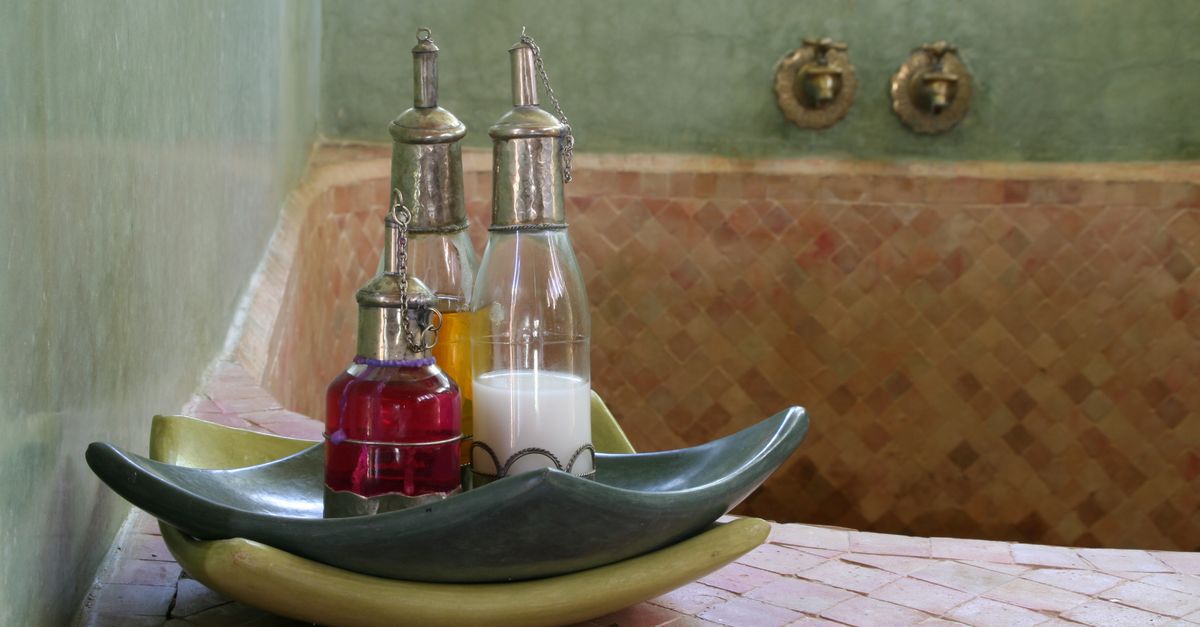
Located in medina quarters and suburban neighborhoods, these authentic bathhouses feature plain tiled or tadelakt-plastered rooms with three distinct temperature zones: warm, hot, and cool. Visitors bring their own supplies (buckets, soaps, mats) and sit on floor mats, scrubbing themselves or paying a professional bath attendant (kiyas for men, tayaba for women) a small fee for an intense exfoliation.
2. Boutique Riad Hammam & Private Spa
Designed primarily for tourists and higher-end relaxation, these establishments offer private rooms, ambient music, massage oils, soft towels, and a quiet atmosphere. While less culturally authentic in terms of community interaction, they offer comfort, complete privacy, and guided assistance for visitors hesitant about public communal bathing.
Essential Toiletries for an Authentic Moroccan Exfoliation
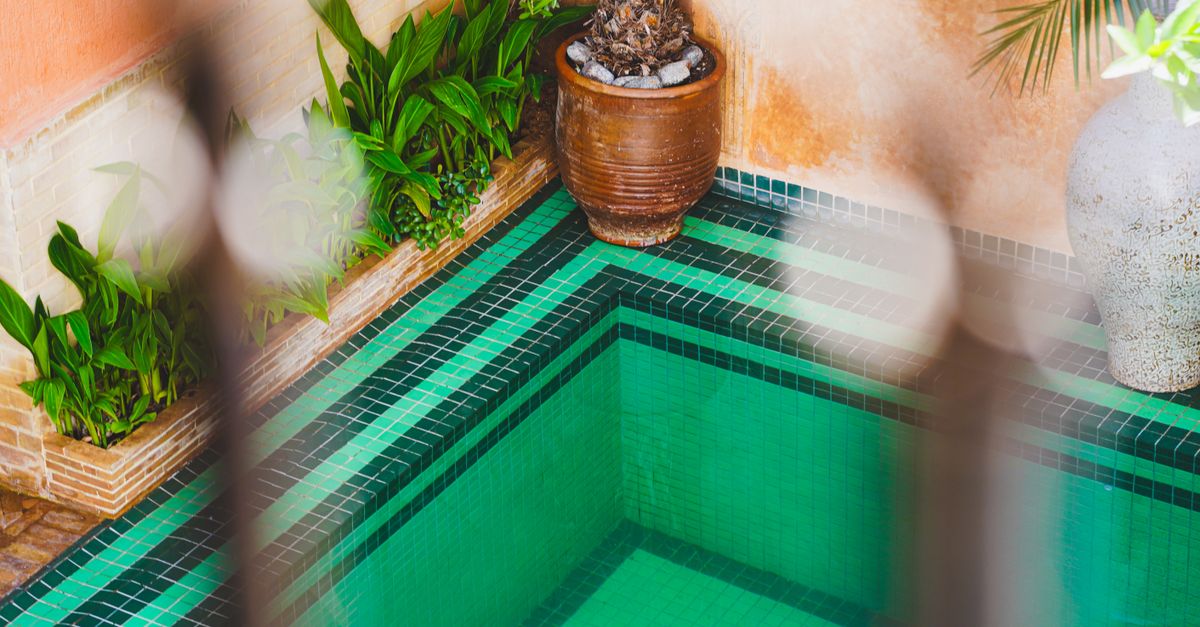
If you choose to visit a local public bath, bring the traditional trio of Moroccan skin treatments:
- Sabon Beldi (Black Soap): A thick, dark gel paste made from olive oil and crushed black olives. Rich in Vitamin E, it softens the skin and prepares it for deep exfoliation.
- Kessa (or Kiiya) Glove: A coarse, textured fabric scrubbing glove used vigorously to eliminate dead skin cells.
- Ghassoul (Rassoul Clay): Mineral-rich volcanic clay mined in Morocco's Atlas Mountains, blended with rosewater to clarify skin and hair after scrubbing.
Step-by-Step Etiquette for First-Time Visitors
Navigating a public Moroccan hammam requires an understanding of unwritten social rules. Following these guidelines ensures a respectful, smooth experience.

1. What to Wear and Bring
Complete nudity is generally unacceptable in Moroccan public baths. Men wear shorts or underwear. Women typically wear undergarments or bikini bottoms. Bring flip-flops for hygiene, a plastic bucket, a mat to sit on, your toiletries, and a fresh change of clothes.
2. Managing Space and Water
Water is a precious commodity. Fill two buckets from the communal hot and cold taps using your plastic jug, balancing water temperature carefully. Never leave taps running unnecessarily, and avoid splashing water into other people's designated bathing areas.
3. Working with an Attendant
Hiring a local attendant (kiyas/tayaba) is highly recommended for first-timers. They know the technique for effective exfoliation. Expect a firm, vigorous scrub that removes layers of dead skin. Always tip your attendant directly in cash (usually 30 to 50 MAD) in addition to the base bath fee.
Post-Hammam Rituals: Mint Tea, Rest, and Local Food
The hammam ritual does not conclude when you walk out the door. The period immediately following the bath emphasizes rest, hydration, and gentle social connection.
Traditional Post-Bath Food: Bessara
After stepping out into the fresh air, locals frequently gather at small neighborhood food stalls for a hot bowl of Bessara (also spelled Bisgara). This iconic Moroccan dish is a rich, silky soup made from dried fava beans (or green split peas), heavily seasoned with garlic, ground cumin, paprika, and a generous drizzle of cold-pressed olive oil. Served piping hot alongside freshly baked khobz (crusty Moroccan flatbread), Bessara provides immediate warmth, essential salt, and complex carbohydrates to replenish energy after intense sweating in the steam room. Visitors can easily spot Bessara stalls near main medina squares and neighborhood hammams, especially during winter months and early morning hours.
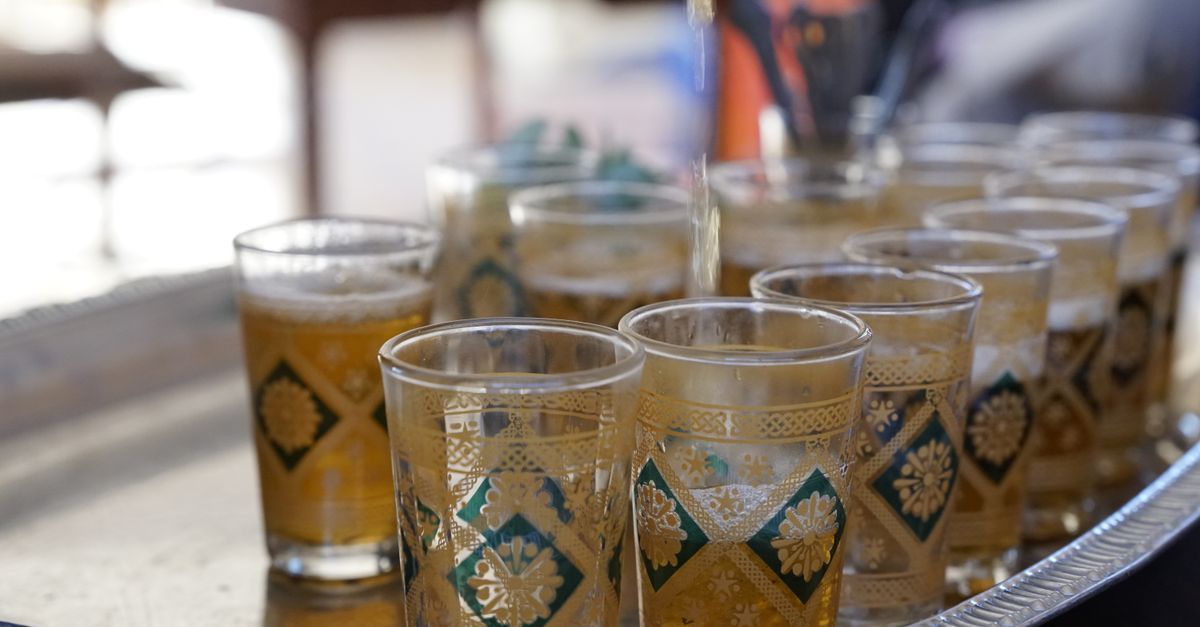
After dressing, locals also routinely spend half an hour sitting in the cooler entry hall or nearby cafes, sipping hot Moroccan mint tea (Atay) or fresh citrus juice to stabilize body temperature and enjoy friendly conversation with neighbors.
Practical Guidance for Travelers
- Cost Expectations: Public hammams cost approximately 10–20 MAD ($1–$2 USD) entry, plus 30–50 MAD for scrub service. Tourist spas range from 250 to 800+ MAD ($25–$80+ USD).
- Language: Basic Darija (Moroccan Arabic) terms are helpful: Skhoun (Hot), Bared (Cold), Safya (Clean/Finished), and Shukran (Thank you).
- Best Time to Visit: Mid-morning or early afternoon in public hammams tends to be less crowded than late evenings.
- Health Caution: High humidity and elevated temperatures may affect individuals with low blood pressure, cardiovascular conditions, or pregnant travelers. Hydrate thoroughly before and after.
Conclusion: Why You Should Include a Hammam Visit in Your Journey
Experiencing a hammam offers much more than a relaxing spa treatment—it provides a direct link to Moroccan social heritage, family life, and ancient wellness customs. By stepping into this shared space with respect, curiosity, and proper etiquette, you will gain a deeper appreciation for the communal bonds that hold Moroccan neighborhoods together.
