
Tetouan Travel Guide: Medina Etiquette, Local Transport, and Hispano-Moorish Heritage
Nestled beneath the rugged peaks of the Rif Mountains near the Mediterranean shore, Tetouan offers one of the most culturally unique urban landscapes in Morocco. Known locally as the "White Dove" (La Paloma Blanca), the city stands apart from Imperial capitals like Marrakech and Fez due to its distinct Hispano-Moorish architecture, relaxed pace of life, and remarkably well-preserved UNESCO-listed medina. Free from high-pressure tourism, Tetouan provides visitors an authentic window into northern Moroccan urban traditions.
This comprehensive guide details everything you need to navigate Tetouan confidently, from local transport logistics and proper medina etiquette to uncovering the city's unique culinary fusion and historical landmarks.

Understanding Tetouan’s Hispano-Moorish Character
Tetouan’s modern identity is defined by two major historical waves from Spain. Following the fall of Granada in 1492, Andalusian refugees settled here, rebuilding the ancient city with sophisticated Hispano-Moorish architecture, tiled fountains, and walled gardens. In the early 20th century, Tetouan served as the capital of the Spanish Protectorate in northern Morocco (1912–1956), leaving behind the modern district known as the Ensanche.
Today, this dual heritage creates a striking contrast. Walking across Place Hassan II brings you from the sweeping Spanish colonial boulevards with white facade buildings and wrought-iron balconies directly into the maze of medieval whitewashed medina alleyways. Spanish remains widely spoken alongside Moroccan Arabic (Darija), and local life seamlessly blends Andalusian refinement with traditional Moroccan rhythms.
Navigating the UNESCO-Listed Medina
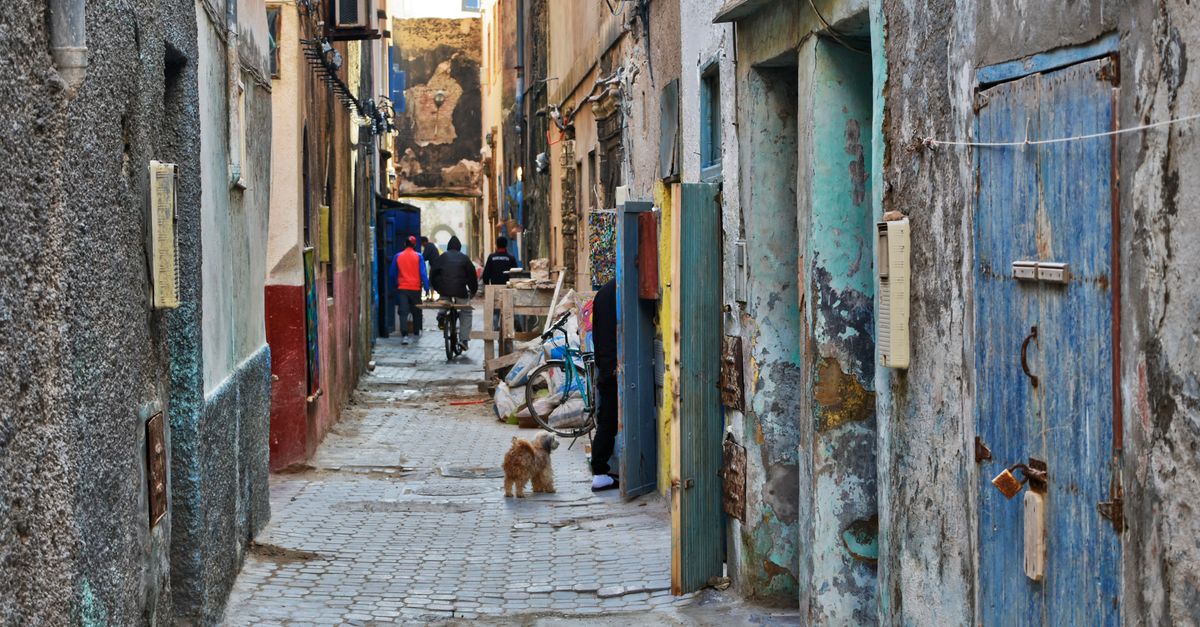
Tetouan's medina is one of the smallest yet most authentic in Morocco. Because it was largely protected from modern developments, its spatial layout and defensive walls remain virtually intact.
Key Landmarks and Districts within the Medina
- Place Hassan II (The Main Square): The central bridge between the medina and the Spanish Ensanche. It features the Royal Palace gates and modernist tiled obelisks designed during the protectorate era.
- Bab El Oqla: The most prominent of the seven historic gates leading into the medina. Located nearby is the Ethnographic Museum, housed in an 18th-century fortress, offering deeply contextual exhibits on traditional northern Moroccan crafts and clothing.
- Mellah (Jewish Quarter): Characterized by narrower streets and distinct balcony structures, the Mellah reflects the long history of Sephardic Jews who lived alongside Muslim Andalusian refugees.
- El Ensanche: Outside the medina walls, this neighborhood resembles central Madrid or Seville from the 1930s. Broad pedestrian avenues like Avenue Mohammed V are lined with pavement cafes, bakeries, and modernist public buildings.
Essential Medina Etiquette and Cultural Norms
Unlike heavy tourist hubs, Tetouan’s medina is primarily a residential and working neighborhood. Local customs are rooted in traditional North African hospitality and conservative values.

Practical Medina Norms
- Dress Appropriately: Northern Morocco is culturally conservative. Both men and women should aim to cover shoulders and knees when exploring residential medina alleys and local markets.
- Photography Etiquette: Always ask permission before photographing artisans, street vendors, or residents. Avoid taking photos inside residential doorways or private courtyards without an invitation.
- Navigating Bargaining: Price negotiation in Tetouan's souks is far quieter and less aggressive than in Marrakech. State your price calmly; if an agreement isn't reached, a simple "Shukran" (thank you) is sufficient to walk away politely.
- Navigating Touts: Unlicensed individuals offering unsolicited tours are uncommon here, but if approached, a firm and friendly Spanish "No, gracias" or Arabic "La, Shukran" will resolve the situation smoothly.
Local Food: Hispano-Moorish Flavors and Regional Dishes
Tetouan's culinary scene heavily reflects its Andalusian background, combining savory spices, sweet additions, and fresh Mediterranean seafood.

Must-Try Regional Specialties
- Tetouani Pastilla: Unlike the sweet-and-savory pigeon or chicken pastillas found in Fez, Tetouan's classic pastilla is often prepared with a delicate combination of spiced chicken, lemon, almond paste, and layered dough, or as a rich Mediterranean seafood pastry filled with fish and vermicelli. Enjoyed at traditional medina family restaurants.
- Jben (Local Goat Cheese): Fresh, mild goat cheese served wrapped in palm leaves. It is typically consumed during breakfast at street cafes alongside fresh flatbread, olive oil, and mint tea.
- Msemen with Khlia: Layered Moroccan pancake dough stuffed with cured, dried beef (khlia), cooked fresh on street griddles in morning markets.
- Churros & Hot Chocolate: A direct legacy of Spanish influence. Prepared in small open stalls around the Ensanche, locals eat these crisp fried dough rings for breakfast or late afternoon snacks.
Getting Around: Tetouan Local Transport
Navigating Tetouan is straightforward once you understand the regional distinction between urban and regional taxis.
Types of Local Transport
- Petit Taxis (City Taxis): Painted bright yellow, these small sedans operate within city limits. They run strictly on meters (ensure the driver switches it on upon entry). A trip within the city costs between 7 to 15 MAD depending on time and distance.
- Grand Taxis (Shared Intercity Taxis): Yellow larger vehicles operating on fixed routes to nearby towns such as Chefchaouen, Tangier, and the coastal beach town of Martil. They depart from designated stands once all seats (typically 6 passengers) are filled, or you can purchase all seats to hire the cab privately.
- CTM & Regional Buses: CTM operates comfortable intercity coaches departing from the main bus station (Gare Routière). Local city buses operated by Vitalis cover suburban areas and regional beach destinations like Cabo Negro and Martil for nominal fares (usually under 5 MAD).
Practical Trip Planning & Travel Tips
Planning a seamless trip to Tetouan requires attention to seasonality, local currency norms, and ideal itineraries.
Best Season to Visit
Spring (March to May) and Autumn (September to November) offer warm daylight temperatures and cool evenings, ideal for walking tour exploration. Summers (July–August) bring heavy beach tourism from domestic travelers to neighboring Mediterranean resorts, leading to crowded coastal roads and higher accommodation rates.
Suggested Time Needed
Two full days are sufficient to comfortably tour the medina, explore the Ensanche district, visit local museums, and taste regional cuisine. Tetouan also serves as an excellent, relaxed base for day trips to Chefchaouen (1.5 hours away) or the Mediterranean coastline.
Money & Payment Realities
Cash is essential. Credit cards are accepted at upscale hotels and modern Ensanche establishments, but medina vendors, taxis, street bakeries, and casual cafes operate strictly in Moroccan Dirhams (MAD). ATMs are readily available along Avenue Mohammed V and near Place Hassan II.
