
Situated in northern Morocco against the backdrop of the Atlas foothills, Meknes and the nearby ancient site of Volubilis present one of the country's most compelling cultural pairings. While neighbor Fes draws massive global crowds, Meknes offers a grand yet distinctly relaxed encounter with Moroccan imperial history. Just a short drive across fertile olive groves lies Volubilis, North Africa's most remarkable set of Roman ruins. Combining both destinations into a single trip yields a multi-layered journey through ancient empires, 17th-century royal ambitions, and traditional Moroccan town life.
Whether you plan to visit Meknes as a day trip from Fes or make it your primary base for exploring the Saïss plain, coordinating your route carefully ensures you make the most of both sites. This guide covers practical logistics, deep cultural context, heritage highlights, local food traditions, and sensible itinerary options for a smooth experience.
Why Combine Meknes and Volubilis?
Meknes and Volubilis tell two distinct chapters of Morocco's history that complement each other naturally. In Meknes, Sultan Moulay Ismail established his visionary capital in the late 17th century, constructing monumental defensive walls, sprawling stables, and grand gates designed to rival Versailles. A mere 30 kilometers to the north, Volubilis preserves mosaic-floored Roman villas, triumphal arches, and public forums dating back to the 3rd century BCE and reaching their peak under Roman rule.
Visiting both places allows travelers to trace the evolution of architectural grandeur in North Africa within a single day or a relaxed overnight itinerary. Moreover, stopping at the sacred hillside town of Moulay Idriss Zerhoun, nestled between Meknes and Volubilis, adds a spiritual dimension to the excursion.
Exploring Meknes: Top Sights and Heritage
Meknes is one of Morocco’s four historic Imperial Cities, famous for its massive ramparts extending over 40 kilometers. Because the city receives fewer tour groups than Marrakech or Fes, exploring its streets feels authentic and unhurried.
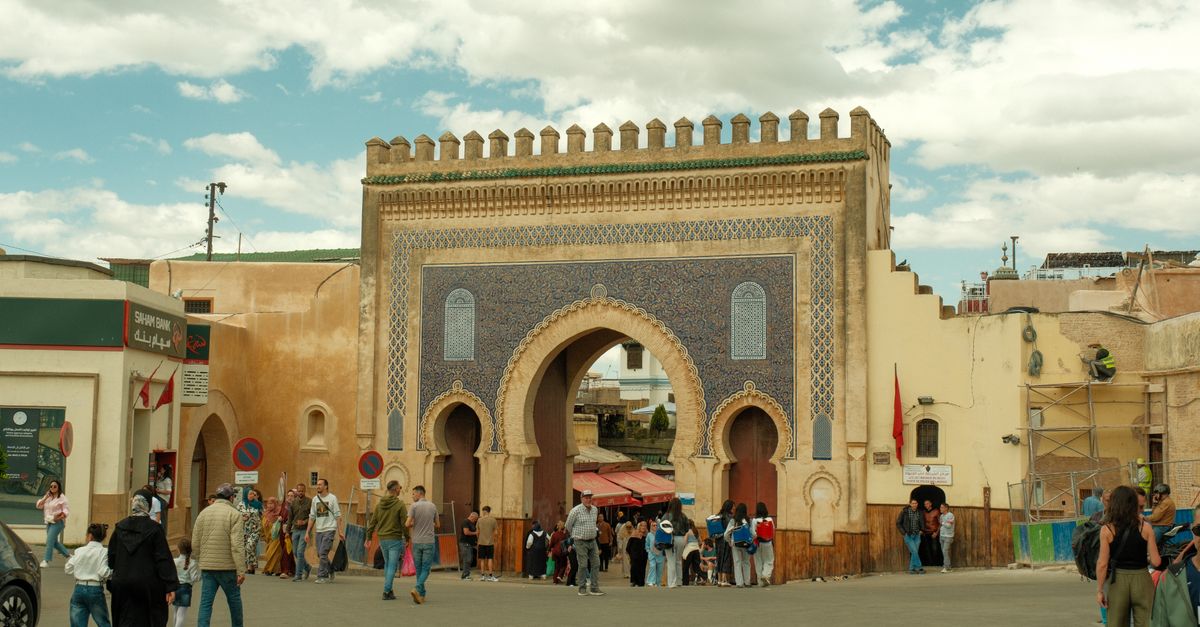
Bab Mansour el-Alej
Why Visit: Widely considered one of the grandest monumental gates in North Africa, Bab Mansour anchors the eastern edge of Place El Hedim. Built using marble columns looted from nearby Volubilis, the gate showcases extraordinary zellij tilework and intricate calligraphic inscriptions.
Practical Details: Located opposite Place El Hedim. Viewing the exterior is free. Best seen in the late afternoon when the warm sunlight highlights the green and blue ceramics. Allocate 15 to 30 minutes for photography and viewing.
Mausoleum of Moulay Ismail
Why Visit: The final resting place of the Sultan who made Meknes his capital. It is one of the few active religious sites in Morocco open to non-Muslim visitors (excluding the inner prayer sanctuary).
Practical Details: Situated near the Royal Palace grounds. Admission requires a nominal entrance fee (typically around 10 to 70 MAD depending on current local regulations and ongoing restoration access). Expect a visit duration of 30 to 45 minutes. Visitors should dress conservatively, covering shoulders and knees.
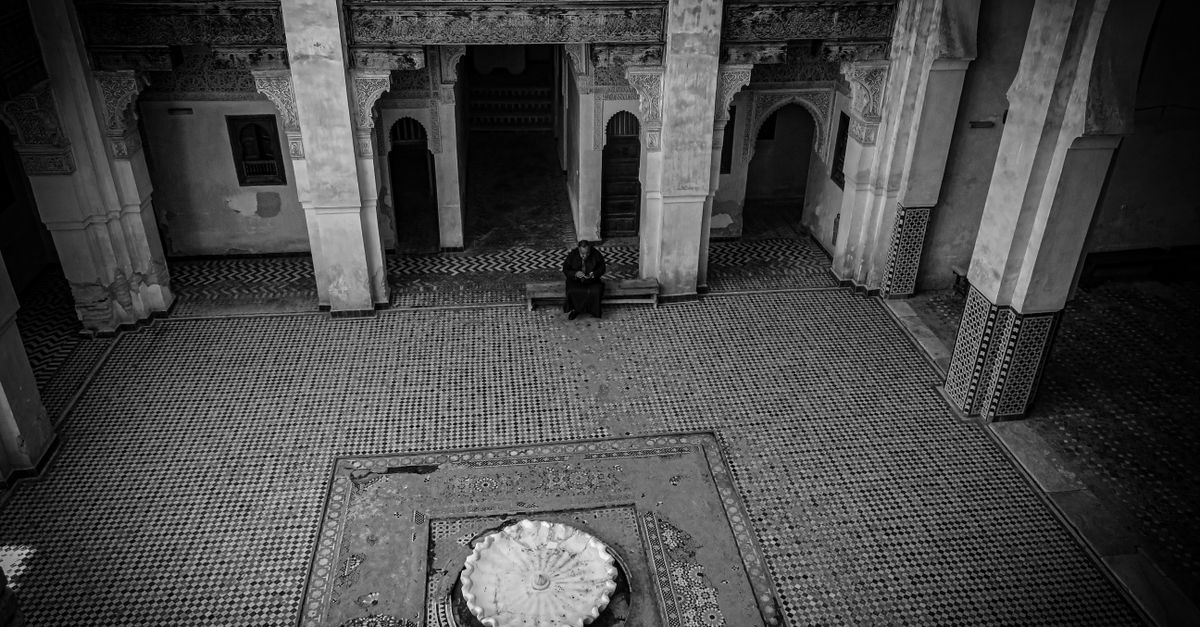
Heri el-Souani and Sahrij Souani
Why Visit: This vast granary and stable complex once housed up to 12,000 royal horses. Adjacent to the massive vaulted structures lies Sahrij Souani, an enormous artificial basin built to irrigate royal gardens and sustain the royal grounds during sieges.
Practical Details: Located about 2 kilometers south of the central medina. Accessible via a short petit taxi ride. Plan for 45 to 60 minutes. The site is open, flat, and suitable for families with older children.
Visiting Volubilis: Morocco's Ancient Roman Capital
Volubilis (known locally as Walili) was an important outpost of the Roman Empire, thriving on the export of olive oil and wild animals for gladiatorial games. Today, it stands as a UNESCO World Heritage site renowned for preserved mosaic floors left in situ.
Key Highlights
- The Decumanus Maximus: The paved main street lined with the remains of aristocratic mansions.
- The House of Orpheus and House of the Ephebe: Fine residences housing intricate floor mosaics depicting classical mythology.
- The Basilica and Capitol: Dominating the center of the site, these grand stone public buildings offer magnificent views across the valley.
- Arch of Caracalla: A marble triumphal arch constructed in 217 CE to honor the emperor.
Visiting Tips for Volubilis
Best Time: Early morning or late afternoon. The site offers virtually no shade, making mid-day summer temperatures harsh.
Duration: 1.5 to 2.5 hours for a thorough walk across the ruins.
Cost & Access: Standard site entrance fees apply (generally around 70 MAD per person). Local licensed guides gather near the entrance ticket office; hiring one is recommended if you want detailed historical context, as signage across the ruins is limited.
What to Avoid: Walking on the ancient mosaics is strictly prohibited. Wear sturdy walking shoes, as the ground is uneven, rocky, and slippery after rain.

The Holy Town of Moulay Idriss Zerhoun
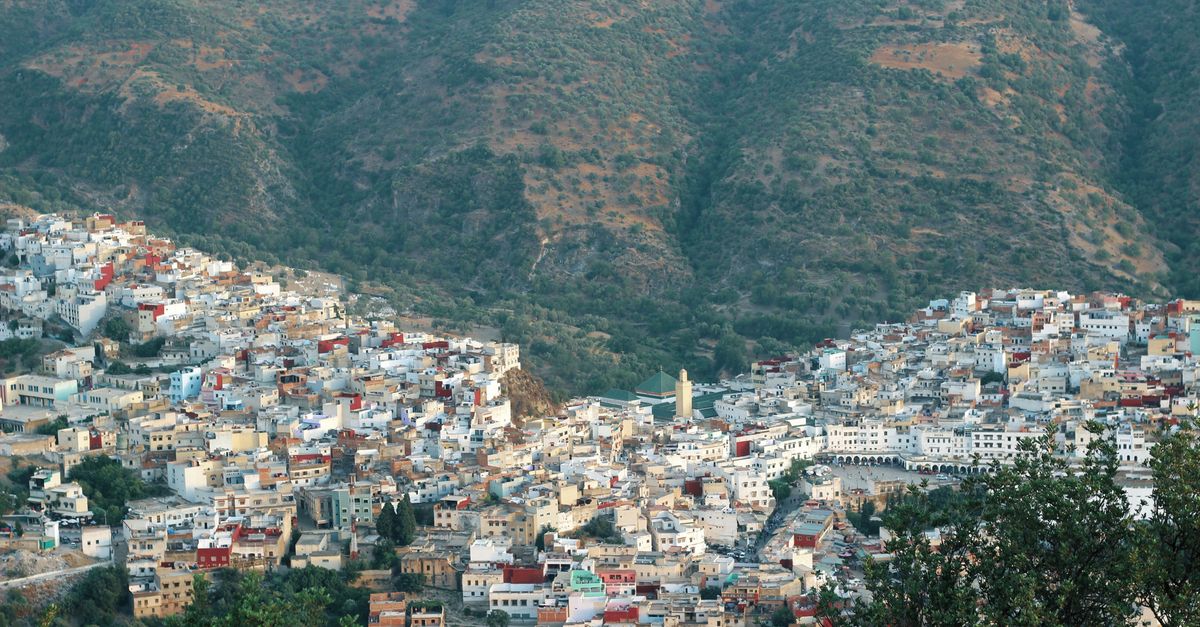
Positioned dramatically across two hilltop ridges between Volubilis and Meknes, Moulay Idriss Zerhoun is named after the founder of the Idrisid Dynasty, who introduced Islam to the region. Until recently, the town was off-limits to non-Muslim overnight guests, maintaining an authentic, undisturbed atmosphere.
Why Stop Here: It provides a contrast to both the grand scale of Meknes and the ancient ruins of Volubilis. The town's narrow whitewashed alleys and panoramic view over the green hills are beautiful.
Visiting Advice: Spend 1 to 2 hours wandering the hillside streets, taking in the panoramic views from the upper terraces, and enjoying lunch at a local grill cafe in the central square.
Local Food Culture in Meknes
The agricultural richness of the Saïss plain surrounding Meknes makes the region famous for high-quality olives, olive oils, and fruit orchards. Food culture here is deeply linked to home-cooked regional classics and fresh market produce.
Regional Specialties to Try
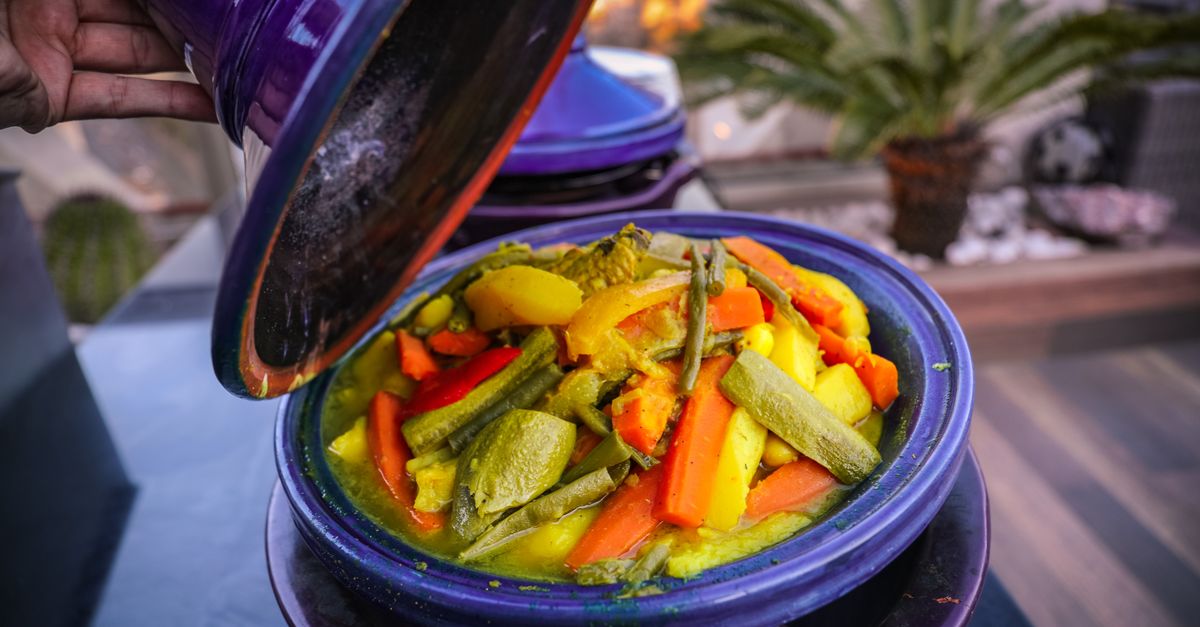
- Meknassi Tajine with Prunes and Beef: A rich, slow-cooked savory-sweet dish flavored with saffron, cinnamon, and toasted almonds. Served in traditional restaurants around Place El Hedim and medina eateries.
- Kefta and Mint Skewers (Moulay Idriss Style): Spiced ground lamb or beef grilled over open hot coals. Commonly eaten for lunch in the open-air grills of Moulay Idriss Zerhoun central square.
- Zaalouk and Mechouia: Roasted pepper and eggplant salads cooked with garlic, cumin, and olive oil. Offered as a starting side dish in virtually every traditional sit-down establishment.
- Sfenj: Freshly fried Moroccan ring donuts, crispy on the outside and soft inside. Sold at small bakeries and street stalls in the late afternoon, usually paired with hot mint tea.
Practical Logistics: Transport and Itineraries
How to Get Around
By Train: Meknes is well-connected on the main ONCF train line running between Casablanca, Rabat, Fes, and Tangier. Trains from Fes to Meknes run frequently throughout the day, taking roughly 40 minutes.
By Grand Taxi / Private Driver: To combine Meknes, Moulay Idriss Zerhoun, and Volubilis efficiently in a single day, hiring a private grand taxi or driver for the day is the most convenient option. Taxis can easily be organized at the main grand taxi ranks in Meknes (near the train station or Institute Français) or through your hotel/riad.
Suggested 1-Day Combined Itinerary
- 08:30 AM: Depart Meknes or Fes early by taxi directly to Volubilis.
- 09:15 AM - 11:30 AM: Explore the ruins of Volubilis before heat and mid-day sun peak.
- 11:45 AM - 01:30 PM: Transfer 10 minutes to Moulay Idriss Zerhoun; enjoy a walk through the hillside lanes and a local grilled lunch.
- 02:00 PM - 06:00 PM: Return to Meknes. Explore Bab Mansour, Place El Hedim, the Mausoleum of Moulay Ismail, and the Heri el-Souani granaries.
- Evening: Unwind with mint tea overlooking Place El Hedim as the square comes alive.
Cultural Etiquette and Practical Tips
- Dress Codes: Respect local customs by wearing modest clothing that covers shoulders and knees, especially when visiting religious towns like Moulay Idriss Zerhoun.
- Payment Realities: Cash (Moroccan Dirham - MAD) remains essential for taxis, local guides, small restaurants, and site entry fees. Keep small bills handy.
- Restoration Notice: Meknes has undergone extensive historic conservation projects across its medina and historic monuments. Check locally regarding specific interior access to historical buildings during your travel dates.
