
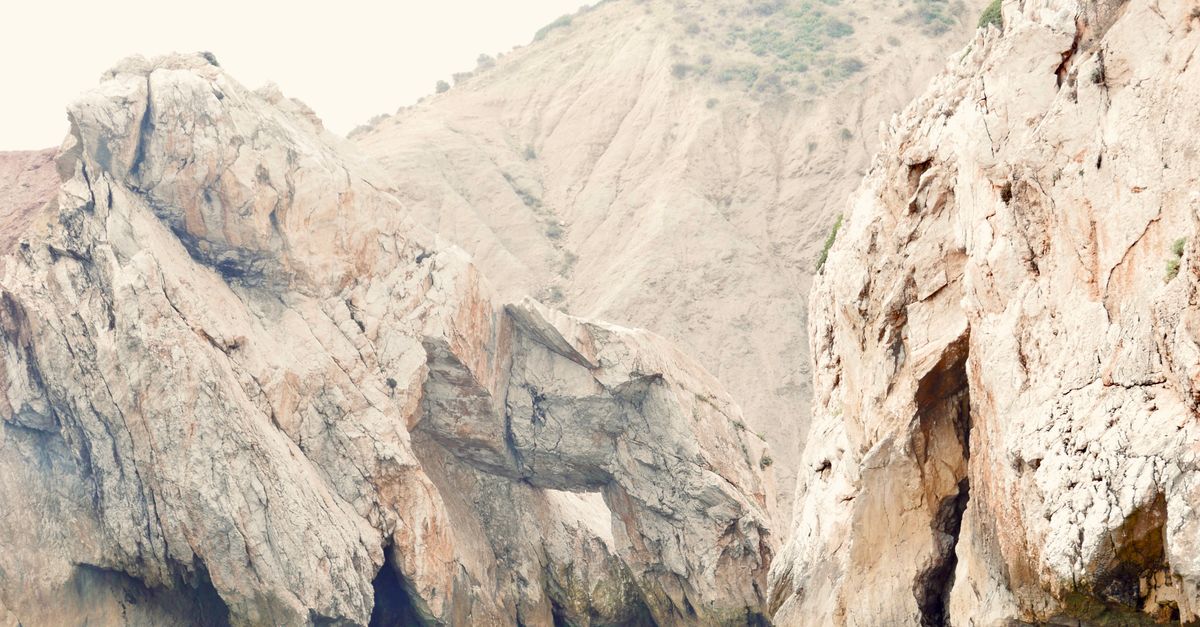
Perched dramatically along the red-tinged limestone cliffs of Morocco’s northern coast, Al Hoceima is a Mediterranean sanctuary defined by its deep maritime traditions. Unlike the Atlantic ports of Essaouira or Agadir, where heavy swells dictate daily maritime routines, Al Hoceima’s crystalline bays and sheltered coves foster an intimate, deep-rooted fishing culture shaped by Tamazight heritage and centuries of Mediterranean trade. The city's identity is inextricably bound to the sea: blue-and-white trawlers return daily to the harbor, air-dried sardines sizzle over open charcoal fires, and local families gather along the corniche as dusk settles over the bay.
For food lovers and culturally curious travelers, Al Hoceima offers one of North Africa’s most authentic coastal dining experiences. Here, seafood is not merely a tourist attraction—it is the lifeblood of the local economy and the heart of the regional kitchen. From aromatic sea bass tagines infused with earthy mountain herbs to sea-salt grilled red mullet paired with freshly baked flatbread, the coastal cuisine of the Rif region balances simplicity with robust, time-tested flavors.

The Heart of Al Hoceima: The Historic Port Experience
To understand the food of Al Hoceima, one must start where every meal originates: the municipal port (Port d'Al Hoceima). Tucked beneath the rising cliffs south of the main city center, the port serves as both an industrial hub and the beating heart of local daily life.
What to Experience at the Port
Early in the morning, between 6:00 AM and 8:00 AM, the harbor wakes up as trawlers dock to offload the night's catch. Baskets brim with shimmering sardines, anchovies, octopus, red snapper, sea bream, and squid. A second surge of energy occurs late in the afternoon, around 3:00 PM to 5:00 PM, when smaller coastal artisanal boats return with high-value line-caught fish and shellfish.
Walking through the port offers a raw, sensory introduction to Rif maritime culture. Fishermen mend bright yellow and blue nylon nets on the cobblestones, fishmongers call out daily prices in Riffian Berber (Tarrifiyt) and Moroccan Arabic (Darija), and small wooden carts transport wooden crates directly to nearby grilling stalls.
Visiting Details & Advice
- Why Visit: Unfiltered glimpse into Mediterranean artisanal fishing and the freshest seafood purchase point in the city.
- Best Time: Early morning (6:30 AM–8:30 AM) for fish landings or mid-afternoon (3:30 PM–5:00 PM) for the afternoon market atmosphere.
- Duration: 1 to 2 hours.
- How to Get There: A short 10-minute taxi ride or a steep 20-minute downhill walk from Place Mohammed VI in the city center. Petite taxis are abundant and inexpensive.
- Practical Caution: The port ground is wet and slippery; wear closed-toe shoes with good grip. Ask for permission before photographing individual dockworkers or fishermen closely.

Essential Culinary Signature: The Grilled Sardine Culture
If there is one ingredient that defines the coastal Rif diet, it is the humble Mediterranean sardine (Sardina pilchardus). Rich in flavor and oil, Al Hoceima's sardines are celebrated across Morocco for their tender texture and exceptional freshness, a result of the nutrient-rich currents along the Rif coastline.
Throughout Al Hoceima, sardine preparation is elevated to an art form centered on charcoal grilling. Local cooks rarely overpower the fish with heavy sauces. Instead, sardines are simply gutted, sprinkled generously with coarse sea salt, tossed with a touch of cumin, and placed whole inside wire grilling baskets over white-hot hardwood coals.
Eating grilled sardines in Al Hoceima is a social ritual. Served hot directly off the grill on stainless steel platters or butcher paper, they are traditionally eaten with your fingers, accompanied by warm, round khobz (Moroccan flatbread), sliced fresh onions, crushed sea salt, cumin, and a side of fresh tomato-and-pepper salad (Zaalouk or Taktouka). A squeeze of fresh lemon brings the dish together.

Iconic Rif Seafood Dishes You Must Sample
Beyond grilled sardines, the traditional kitchen of the Al Hoceima coastline blends Mediterranean freshness with North African spice traditions. Below are the key regional dishes to seek out during your stay:
1. Tagine de Poisson à la Chermoula (Fish Tagine in Chermoula)
The Dish: Whole firm-fleshed white fish—such as sea bass (Loup de mer), sea bream (Dorade), or red snapper (Pageot)—marinated in a classic Moroccan chermoula paste made from fresh coriander, parsley, minced garlic, paprika, cumin, lemon juice, and extra virgin olive oil.
Regional Connection: In the Rif, cooks frequently add sliced bell peppers, tomatoes, potatoes, and preserved lemons to the bottom of the unglazed clay tagine pot. The slow cooking process allows the fish juices to meld with the olive oil and mountain herbs, creating a rich, dipping sauce.
When & Where to Find It: Eaten primarily as a hearty lunch (1:00 PM to 3:30 PM). Found in traditional family-run sit-down restaurants in the town center and along coastal corniche eateries.
2. Calamars et Crevettes Frites (Crispy Fried Squid and Shrimp)
The Dish: Tender local squid rings and peeled pink prawns lightly dusted in fine durum wheat semolina or flour, then flash-fried in crisp vegetable oil until golden.
Regional Connection: The waters around Al Hoceima yield sweet, high-quality shrimp and squid. Flash-frying preserves their natural sweetness without making them rubbery.
When & Where to Find It: Served all day, but especially popular as a shared late afternoon snack or casual dinner plate at port stalls and casual seafood shacks near Quemado Beach.
3. Pastilla aux Fruits de Mer (Seafood Pastilla)
The Dish: A luxurious savory-salty pastry composed of paper-thin warqa pastry sheets stuffed with a rich mixture of sauteed shrimp, squid, white fish fillets, vermicelli noodles, black mushrooms, garlic, harissa, and spices, baked until golden crisp.
Regional Connection: While pastry traditions originated in Fez, Al Hoceima’s coastal adaptation replaces poultry with fresh local catch, highlighting the town's abundance of marine produce.
When & Where to Find It: Often reserved for special celebrations, weddings, and Friday family meals, but readily available at mid-to-high-end Moroccan dining rooms and specialty bakeries in Al Hoceima with advance notice.
4. Soupe de Poisson Rifaine (Rif-Style Fish Soup)
The Dish: A fragrant, aromatic seafood broth prepared from small rockfish, crab shells, aromatic herbs, tomatoes, garlic, saffron, and olive oil, strained until smooth and served with fried bread croutons.
Regional Connection: Heavily influenced by Mediterranean trade and Spanish proximity, this nourishing soup is a winter staple among local fishing communities along the coast.
When & Where to Find It: Commonly served as an appetizer during evening meals in local restaurants, particularly during cooler months or Ramadan evening meals (Iftar).

Where to Eat Seafood in Al Hoceima: From Port Stalls to Sea-View Dining
Dining in Al Hoceima spans informal portside counters where you point to raw fish on ice to formal clifftop terraces overlooking the Mediterranean.
Portside Grill Stalls (Secteur Fishing Port)
For the most authentic and value-driven experience, head directly to the cluster of rustic fish stalls operating near the port gates. Here, there are no formal printed menus. Diners select raw fish directly from glass display counters stacked with ice—choosing from sardines, red mullet, sole, calamari, and prawns. The fish is weighed, priced on the spot, and cooked immediately over coals or in clean fryers.
- Atmosphere: Energetic, rustic, no-nonsense local dining. Plastic tables, paper tablecloths, and communal seating.
- Best For: Budget travelers, seafood purists, and adventurous eaters.
- Pricing: Pricing depends on weight and fish species, making it an affordable dining option compared to formal tourist venues.
Quemado Beach & Corniche Restaurants
Along Plage Quemado and the main boulevard overlooking Mirador Beach, you will find comfortable sit-down establishments with covered outdoor terraces. These venues offer comprehensive menus featuring fish tagines, mixed seafood platters, fresh salads, and espresso.
- Atmosphere: Relaxed, family-friendly, scenic ocean views.
- Best For: Unhurried lunches, evening dinners, families with children, and travelers seeking full table service.
Culture, Etiquette, and Maritime Heritage of the Rif Coast
Understanding local customs and coastal heritage will significantly enrich your travels in Al Hoceima.
Tamazight Roots and Hospitality
Al Hoceima is a core cultural capital of the Rif region, where the primary language spoken among locals is Tarifit (a Amazigh/Berber language), alongside Moroccan Arabic (Darija) and widespread knowledge of Spanish and French. Riffian culture is deeply independent, proud, and welcoming. Guests in local eateries are treated with genuine warmth and generosity.
Dining Etiquette
- Hand Washing: Hand washing before and after meals is custom. Most informal seafood stalls provide handwashing stations or water pitchers at the table.
- Eating Style: Traditional dishes like grilled sardines and tagines are commonly eaten using the thumb and first two fingers of the right hand, using fresh khobz as an edible utensil.
- Alcohol Usage: As in much of regional Morocco, alcohol is not served in standard local restaurants or port stalls. Dining centers entirely around fresh juices, mineral water, and hot mint tea. Respect local norms and avoid drinking brought-in alcohol in public outdoor areas.
- Tipping: Tipping is customary. Leaving a modest tip (around 5% to 10% of the total bill or small change) for servers and grill masters is widely appreciated.
Practical Trip Planning for Al Hoceima
Best Season to Visit
Summer (June to August): The city comes alive with domestic tourists, domestic visitors from Europe, and vibrant night markets. The sea temperature is ideal for swimming at Quemado or Bades, but beach traffic is heavy and accommodations fill up quickly.
Spring (April to May) & Autumn (September to October): Highly recommended for travel writers and food explorers. The weather is warm and dry, seafood catches remain plentiful, crowds dissipate, and restaurant service is exceptionally attentive.
Getting There & Around
- By Air: Cherif Al Idrissi Airport (AHU) lies approximately 15 kilometers southeast of the city center, offering seasonal flights from major European cities and domestic connections from Casablanca.
- By Road: The N16 coastal highway (the Rocade Méditerranéenne) offers scenic driving routes connecting Al Hoceima to Nador to the east and Tetouan/Tangier to the west. Grand taxis and regional buses connect Al Hoceima with surrounding inland towns like Ajdir and Imzouren.
- Local Transport: Blue petite taxis operate strictly within city limits using metered fares or fixed flat rates for standard inner-city runs.
Money & Payment Realities
Cash is king in Al Hoceima, particularly at port stalls, fish markets, small cafes, and taxi stands. Carry sufficient Moroccan Dirhams (MAD) in smaller denominations. Credit cards are accepted only at major hotels, established mid-range to upper-tier restaurants, and large supermarkets. Multiple bank ATMs are located around Place Mohammed VI and Avenue Trik Es-Souk.
Safety & Practical Caution
Al Hoceima is generally safe for travelers, with low rates of violent crime. However, standard travel precautions apply:
- Taxis & Transport: Ensure taxi drivers turn on the meter or agree on the destination price before setting off.
- Hassle Level: Hassle is noticeably lower than in major tourist centers like Marrakech or Fez, but exercise reasonable awareness in crowded market zones.
- Water Safety: Stick to bottled or filtered water for drinking, especially if you have a sensitive stomach.
Near Al Hoceima: Nearby Culinary & Coastal Excursions
If you have extra days in the region, consider expanding your itinerary to explore these nearby coastal highlights:
- Al Hoceima National Park (Parc National d'Al Hoceima): Located just west of the city, this protected terrestrial and marine sanctuary features dramatic coastal limestone cliffs, secluded pebble bays (such as Cala Iris and Bades), and rich marine biodiversity home to osprey colonies and dolphins. Seafood shacks near Cala Iris port offer exceptionally tranquil fish lunches away from urban crowds.
- Torres de Alcala: A historical coastal village featuring 16th-century Portuguese/Spanish watchtowers overlooking a serene fishing beach, ideal for a quiet afternoon meal of freshly caught grilled fish.
- Ajdir & Tala Youssef: Located a short drive south, these coastal spots feature long sandy beaches and casual beachside grilled fish spots popular during summer months.
