
Being invited into a Moroccan home is among the most genuine and memorable experiences a traveler can have. In Morocco, hospitality is not merely a polite gesture; it is a sacred social duty, a deeply ingrained cultural value, and a source of immense pride for the host family. Whether you are invited for afternoon tea by a carpet weaver in Fes, joining a family for Friday couscous in Marrakech, or staying in a village home in the High Atlas, understanding what to expect ensures a comfortable, respectful, and enriching interaction for both you and your hosts.
Moroccan household customs combine Islamic values, centuries-old Amazigh (Berber) traditions, and Arab social norms. While hosts are extraordinarily forgiving of foreign visitors who might not know every subtle custom, taking the time to learn basic home etiquette demonstrates appreciation and respect. This comprehensive guide covers everything from shoe removal and gift selection to dining with your hands and navigating house rules, helping you step across the threshold with complete confidence.
The Sacred Philosophy of Moroccan Hospitality
In Moroccan culture, a guest is considered a blessing from God (Diaf Rebbi). Hosts routinely go to extraordinary lengths to ensure their visitors feel cherished, well-fed, and comfortable. It is common for a family to spend a significant portion of their weekly budget preparing an extravagant meal for guests, serving dishes they might only eat on special occasions.
Because hospitality is tied to personal and family honor, your primary role as a guest is to accept their generosity warmly. Refusing food or drink outright can be perceived as rejecting the host's goodwill. Understanding this underlying philosophy helps put the abundance of food, the insistence on refilling your glass, and the relaxed pace of the visit into proper perspective.
Arrival and Entering a Moroccan Household
The arrival sets the tone for your visit. Moroccan homes—whether a historic riad in a crowded medina or a modern apartment in Casablanca—are private sanctuaries designed to shield family life from the public sphere.
Greetings and Warm Entrances
Upon entering, expect warm and extended greetings. Men greet men with handshakes, often followed by placing the right hand over the heart as a sign of affection and respect. Women greet women with handshakes or warm double or quadruple cheek kisses. Between opposite genders, a respectful handshake or placing your right hand over your heart with a warm smile is standard, depending on how traditional the family is. Always wait for the host of the opposite gender to extend their hand first.
Shoe Etiquette
Always check whether to remove your shoes at the door. If you see shoes lined up near the entryway or notice carpeted floors and hand-woven rugs throughout the house, remove your shoes immediately. Many hosts will provide you with soft indoor slippers (babouches or balgha). If your host insists you keep your shoes on, defer to their wish, but ensure your soles are clean.
Navigating the Salon
Guests are usually ushered into the main living room, known as the salon. Moroccan homes typically feature two types of salons: a European-style salon with sofas or a traditional Moroccan salon featuring long, U-shaped padded banquettes lined with colorful cushions around low central tables. Take the seat indicated by your host. The head of the household or most honored guest is usually placed at the center of the seating arrangement.

The Art of the Tea Ceremony and Snacks
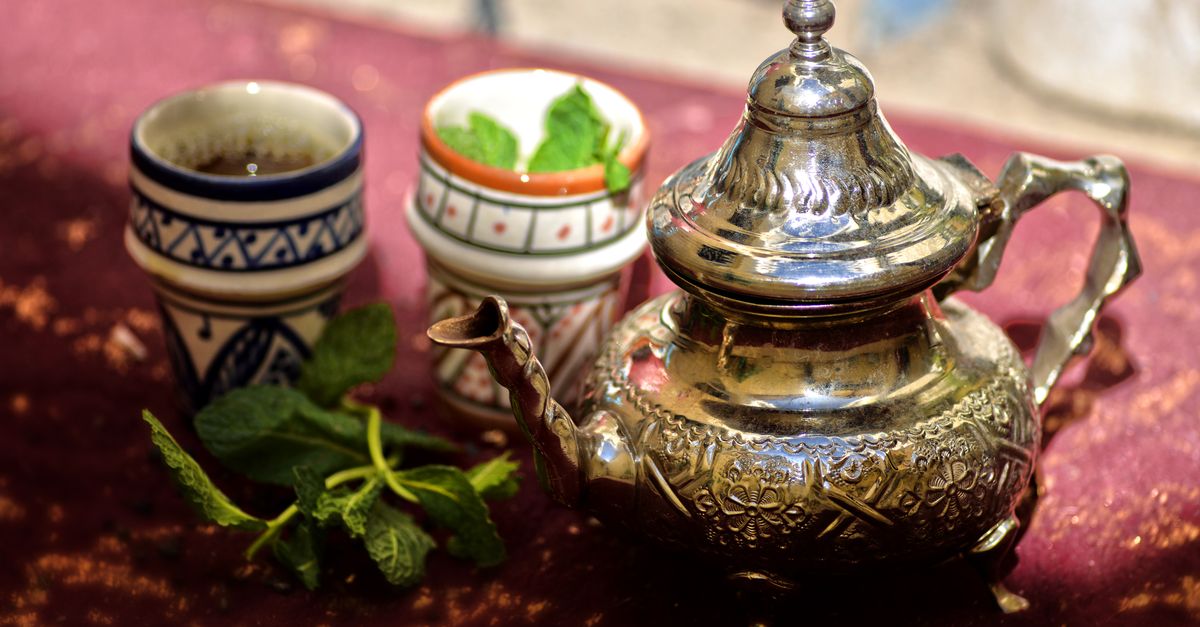
No Moroccan home visit takes place without mint tea. Known affectionately as "Moroccan whiskey," green tea steeped with fresh spearmint leaves and heavy sugar is the ultimate symbol of welcome.
Accepting the Tea
Tea preparation is an art form, often performed at the table by the head of the house. You will see the tea poured from a high distance above the small glass cups. This technique is intentional: it creates a delicate layer of froth on top (known as the razza or crown) and cools the tea slightly as it falls. Always accept the tea offered to you. It is customary to drink at least two or three glasses during a visit. Politely declining after your first glass may convey that you are in a rush or unhappy with the hospitality.
Accompaniments and Pastries
Tea is rarely served alone. Expect an array of home-baked goods or treats brought from a neighborhood bakery (fourn). Common accompaniments include kaab el ghazal (gazelle horns filled with almond paste and orange blossom water), fekkas (twice-baked crunchy biscotti-like cookies), ghriba (semolina or almond cracked shortbread), and fresh round loaves of crusty bread served with olive oil, wild honey, and melted butter.

Dining Together: Communal Tagine and Table Rules
If you are invited for lunch (the main meal of the day) or dinner, the meal will almost always be served communally from a central dish, usually an earthenware tagine or a massive platter of couscous.
Washing Hands Before the Meal
Before food is served, a family member may bring around a traditional basin, soap, and a pitcher of warm water (a tass) along with a clean towel. Hold your hands over the basin while water is poured over them, lather up, rinse, and dry your hands. In modern homes, you may simply be directed to the bathroom sink.
The Right-Hand Rule
In Morocco, as in much of the Islamic world, the right hand is used for eating, drinking, and passing dishes, while the left hand is reserved for personal hygiene. Always eat with your right hand. If you are left-handed, explain this gently to your hosts beforehand; while understood by modern hosts, using the right hand remains the cultural standard.
Mastering the Bread Technique
In most Moroccan homes, utensils like forks and knives are not used for tagines. Instead, flat round bread (khobz) serves as your primary eating utensil. Break off a small, bite-sized piece of bread using your right hand, hold it between your thumb and first two fingers, and use it to pinch meat, vegetables, and sauce from the dish. Avoid dipping your fingers directly into the sauce or double-dipping pieces of bread.
Respecting Food Zones
When eating from a communal platter, strictly stick to the triangular slice of food directly in front of you. Reaching across the platter to grab a piece of meat or vegetable from someone else's section is considered poor manners. However, hosts will frequently pick out choice morsels of meat, cooked fruit, or tender vegetables from their side or the center and drop them directly into your section as an act of generosity. Accept these morsels with a warm shukran (thank you).
Pacing Yourself and Knowing When to Stop
Moroccan meals are multi-course feasts. A typical lunch might include multiple cooked salads (like zaalouk or taktouka), followed by a heavy meat tagine, followed by pastilla or roasted chicken, and finished with a giant bowl of seasonal fresh fruits or sweet couscous (seffa). A common mistake by first-time visitors is filling up entirely on the first dish. Pace yourself carefully. When you are full, leave a tiny bit of food in your section of the platter to indicate you have finished; sweeping your area completely clean signals to the host that you are still hungry and require more food.

Gifts, Clothing, and Courtesies
Selecting an Appropriate Host Gift
Never arrive at a Moroccan home empty-handed. While expensive luxury items are inappropriate and embarrassing to hosts, small, thoughtful gifts are deeply appreciated. Excellent choices include:
- High-quality bakery pastries: Buy a box of traditional pastries from a respected local pâtisserie.
- Sugar and Tea: In rural or traditional areas, bringing a cone of solid sugar (qalb soukkar) or high-grade green tea leaves is a classic, symbolic offering of goodwill.
- Fruit basket: A large bag or basket of fresh, seasonal fruit from the local market (souk).
- Sweets and toys for children: If the host family has young children, small toys, coloring books, or quality chocolates are always warmly received.
Avoid bringing alcohol unless you know for certain that your hosts consume it, as alcohol is forbidden (haram) in traditional Muslim households.
Modest and Respectful Attire
While you do not need to wear traditional clothing, dress conservatively out of respect for the household. Shoulders and knees should be covered for both men and women. Loose, comfortable trousers or long skirts are ideal, as you will likely be sitting on low cushions or floor carpets for extended periods. Avoid overly tight, low-cut, or sheer clothing.

Key Vocabulary and Cultural Phrases
Using a few words of Moroccan Arabic (Darija) will delight your host family and show genuine effort:
- Salam Alaykum: Peace be upon you (standard greeting).
- Wa Alaykum Salam: And upon you be peace (response).
- Labas?: How are you? / Everything good?
- Bismillah: In the name of God (said before beginning a meal or drink).
- Hamdullah: Praise be to God (said when finishing a meal or expressing contentment).
- Shukran: Thank you.
- Shukran Bezzaf: Thank you very much.
- Bssaha: To your health (said when someone eats, drinks, or gets a haircut).
- Laytik Saha: May God give you health (the standard reply to Bssaha).
Practical Tips for a Smooth Visit
To ensure your experience is comfortable and culturally sensitive, keep these practical points in mind:
- Timing: Moroccan time is generally relaxed. If invited for lunch at 1:00 PM, food may not be served until 2:30 PM or 3:00 PM. Do not arrive starving; enjoy the conversation and tea service preceding the meal.
- Photography: Always ask permission before taking photos inside the home or photographing family members, especially women and elders. Some families prefer to keep their domestic spaces private.
- Bathroom Etiquette: Traditional homes may feature squat toilets alongside standard European toilets. Look for a small plastic water pitcher (abrik or lota) next to the toilet, which is used for washing. Place used toilet paper in the provided waste bin rather than flushing it, as plumbing in old medinas can be delicate.
- Complementing the Home: Avoid overly admiring specific decorative objects or household items. In traditional culture, praising an object excessively may cause the host to feel obligated to give it to you as a gift. Instead, offer broad compliments on the beauty of the home, the warmth of the welcome, and the skill of the cook.
- Departing: Do not rush off immediately after finishing your meal. Sitting together for conversation, digestifs, or another glass of tea is an integral part of the gathering. When it is time to leave, thank the hosts profusely for their hospitality (Diyafa).
Visiting a Moroccan home offers a rare window into the soul of the country. By approaching the invitation with respect, curiosity, and an open heart, you will not only enjoy an incredible meal but likely forge genuine connections that last long after your trip has ended.
