
Perched dramatically along Northern Morocco’s rugged Mediterranean coastline, Al Hoceima offers a distinct culinary experience that sets it apart from the imperial cities of Fez or Marrakech. While inland Morocco is celebrated for slow-simmered lamb with prunes or fragrant chicken with preserved lemons, Al Hoceima’s food culture is firmly rooted in the sea and the surrounding Rif Mountains. Here, the traditional clay tagine takes on a light, aromatic, and distinctly coastal identity, driven by daily catches brought into the bustling port.
For travelers exploring the Rif region, dining in Al Hoceima is more than just mealtime; it is a direct connection to Amazigh heritage, maritime livelihoods, and Mediterranean agricultural traditions. Understanding how fish tagine is crafted, where to sample the authentic version, and how to navigate local dining customs unlocks one of the most authentic food journeys in Northern Africa.
The Culinary Heart of Al Hoceima: Where the Rif Meets the Sea
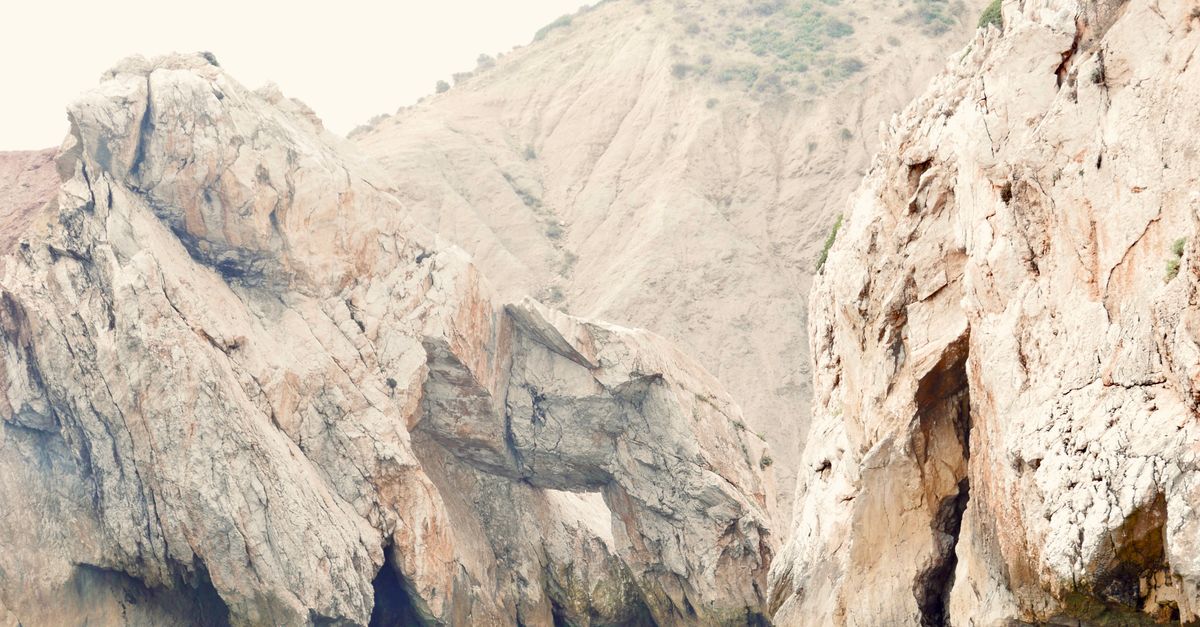
Al Hoceima sits in a magnificent bay surrounded by the limestone peaks of the Rif chain and the turquoise waters of the Mediterranean Sea. This geography shapes every aspect of the local diet. Historically populated by Amazigh (Berber) communities, the region relies on simple, high-quality ingredients enhanced by delicate herbal seasoning rather than heavy sweet-and-savory pairings.
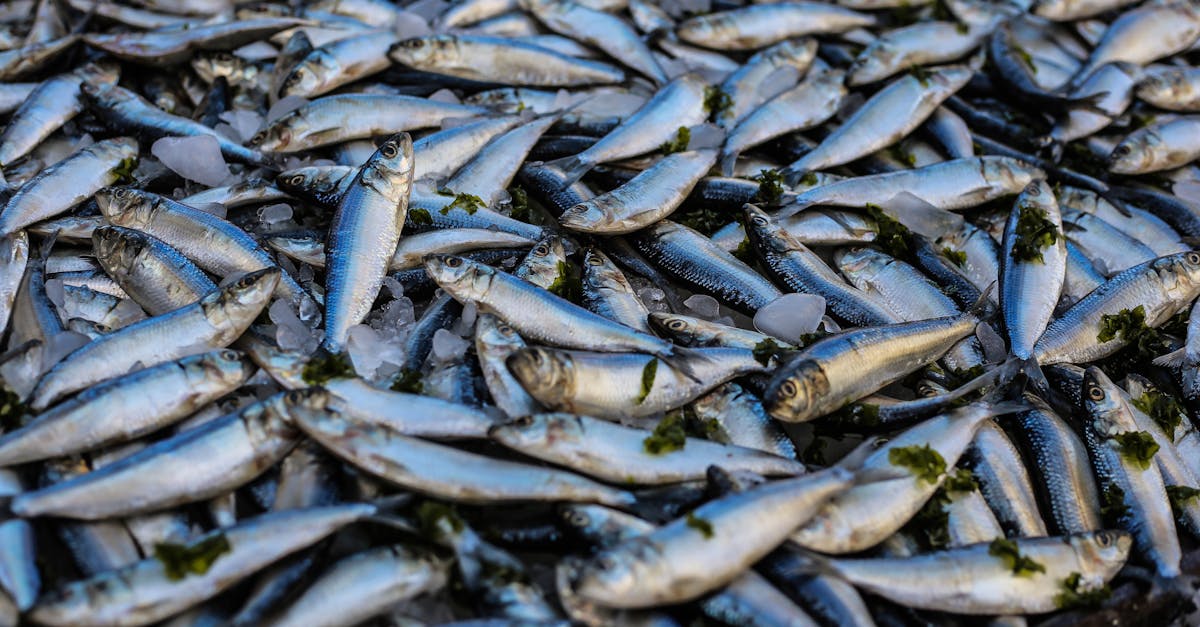
Unlike Atlantic fishing hubs such as Essaouira or Agadir, the Mediterranean catch off Al Hoceima features delicate white fish, rich sardines, red mullet, sea bass, squid, and seasonal swordfish. Combine these fresh catches with cold-pressed olive oil from the surrounding valley groves, ripe mountain tomatoes, garlic, and wild herbs, and you have the foundation of Al Hoceima’s celebrated seafood tagine.
Anatomy of an Al Hoceima Fish Tagine
A true coastal tagine differs considerably from inland variations in both preparation and cooking time. Because fresh fish cooks quickly compared to beef or mutton, the process requires careful heat management to preserve the delicate texture of the seafood.
The Clay Vessel and Heat Distribution
The conical clay tagine serves a functional purpose. As liquids evaporate from the ingredients, steam condenses on the cool inner cone and drips back down, gently poaching the fish in its own juices and marinade. In Al Hoceima, unglazed or simple heavy-earthenware tagines are preferred for cooking over small charcoal braziers (kanoun), imparting a subtle smoky undertone.
The Marinade: Chermoula
The beating heart of any Moroccan fish tagine is chermoula. In Al Hoceima, chermoula strikes a precise balance between bright citrus, earthy spices, and fresh herbs. A traditional coastal chermoula includes:
- Freshly chopped coriander and flat-leaf parsley
- Crushed garlic cloves
- Ground cumin and sweet paprika
- A pinch of hot chili powder or fresh harissa
- Freshly squeezed lemon juice
- Extra virgin olive oil from the Rif hills
- Sea salt
The fish is marinated in this mixture prior to cooking, allowing the spices to penetrate without overpowering the natural flavor of the seafood.
Vegetable Foundations
To prevent the fish from sticking to the hot clay bottom, cooks create a bed of sliced vegetables. Layers of sweet onions, juicy tomatoes, red bell peppers, and thinly sliced potatoes form a base that absorbs the chermoula and fish juices, resulting in a rich, reduced sauce (dghira) at the base of the pot.

Key Fish Tagine Varieties and Local Dishes
Visiting a local eatery or family home in Al Hoceima introduces you to several distinct interpretations of coastal tagines and seafood specialties.
1. Tagine de Poisson à la Chermoula (Whole Fish Tagine)
This is the quintessential dish of the city. Firm white fish such as sea bream (dorade), sea bass (loup de mer), or red mullet is scored, thoroughly coated in chermoula, and cooked whole over sliced peppers, tomatoes, and potatoes, topped with sliced preserved lemons and green olives.
2. Tagine de Boulettes de Sardines (Sardine Ball Tagine)
Sardines are an abundant staple along the Rif coast. To make this comfort food classic, fresh sardines are boned, minced, and mixed with rice or bulgur, spices, garlic, and herbs. The seasoned sardine balls are then simmered in a dense, bubbling tomato sauce enriched with garlic and olive oil. It is hearty, affordable, and rich in local character.
3. Tagine de Crevettes et Calamars (Shrimp and Squid Tagine)
Widely served in seafood restaurants near the harbor, this tagine combines wild Mediterranean shrimp and tender calamari in a garlic-and-paprika tomato reduction. It cooks quickly and is usually served piping hot with freshly baked round bread.
4. Fritto Misto and Charcoal-Grilled Catch
While tagine is the centerpiece, no culinary discussion of Al Hoceima is complete without mentioning fried and grilled seafood. Platters of mixed small fish lightly dusted in flour and deep-fried in clean oil, or whole sardines dusted with coarse salt and grilled over embers, are served alongside almost every tagine order at portside stalls.

Where to Eat Tagine and Seafood in Al Hoceima
Dining experiences in Al Hoceima range from basic harbor-side stalls to relaxed family-run restaurants looking out over the Mediterranean.
1. Port of Al Hoceima Seafood Stalls
- Why Visit: This is the epicenter of fresh seafood in the city. Watch fishing boats unload their daily catch before choosing your lunch directly from the ice displays.
- Best Time: Early afternoon (12:30 PM – 3:00 PM) when the day's catch is freshest.
- Visit Duration: 1 to 2 hours.
- How to Get There: Located at the base of the city cliffs; reachable on foot via stairs from the center or by a short red petit taxi ride.
- Pricing: Very reasonable; prices vary based on fish weight and market rates (typically 60 to 120 MAD per person for a full meal).
- Family Suitability: Excellent for families who enjoy casual outdoor dining.
- Practical Caution: It is bustling and informal. Confirm the price per kilogram or per dish before ordering to ensure clear expectations.
2. Place R'Madi and Central City Eateries
- Why Visit: The streets surrounding central plazas house numerous small local neighborhood restaurants serving traditional daily tagines to residents and office workers.
- Best Time: Lunch (1:00 PM – 3:30 PM) or dinner (8:00 PM – 10:00 PM).
- Visit Duration: 1 hour.
- Pricing: Budget to mid-range (40 to 80 MAD per tagine).
- Family Suitability: High; relaxed and welcoming.
- Useful Nearby Places: Mohamed V Park and the central walking avenues.
3. Beachside Restaurants along Quemado and Calabonita
- Why Visit: Enjoying a freshly prepared fish tagine while taking in direct views of Plage Quemado or Calabonita Cove.
- Best Time: Late afternoon lunch during spring, summer, or early autumn.
- Visit Duration: 1.5 to 2.5 hours.
- How to Get There: Easily accessible on foot or by taxi from downtown.
- Pricing: Mid-range to premium compared to local markets, though still accessible.
- Practical Caution: Can become extremely busy during peak summer months (July and August); reservations or arriving early is recommended.
Rifian Food Culture, Etiquette, and Dining Customs
Food in the Rif region carries deep cultural weight grounded in hospitality, community, and respect. Understanding these norms makes for a smoother, more engaging experience.
Bread as the Primary Utensil
Traditional tagines are meant to be eaten communally using round, crusty Moroccan bread (khobz). Break off a small piece of bread with your right hand, using it to pinch a portion of fish, vegetable, and sauce. Eating directly with a fork is completely acceptable in restaurants, but using bread remains the authentic local way to enjoy the reduced gravy.
Hand Hygiene and Etiquette
- Always eat and pass shared dishes using your right hand.
- In traditional settings, a hand-washing basin or jug with soap may be offered before and after the meal.
- If sharing a central tagine vessel with locals, stick strictly to the triangular section directly in front of you.
Tea Traditions (Atay)
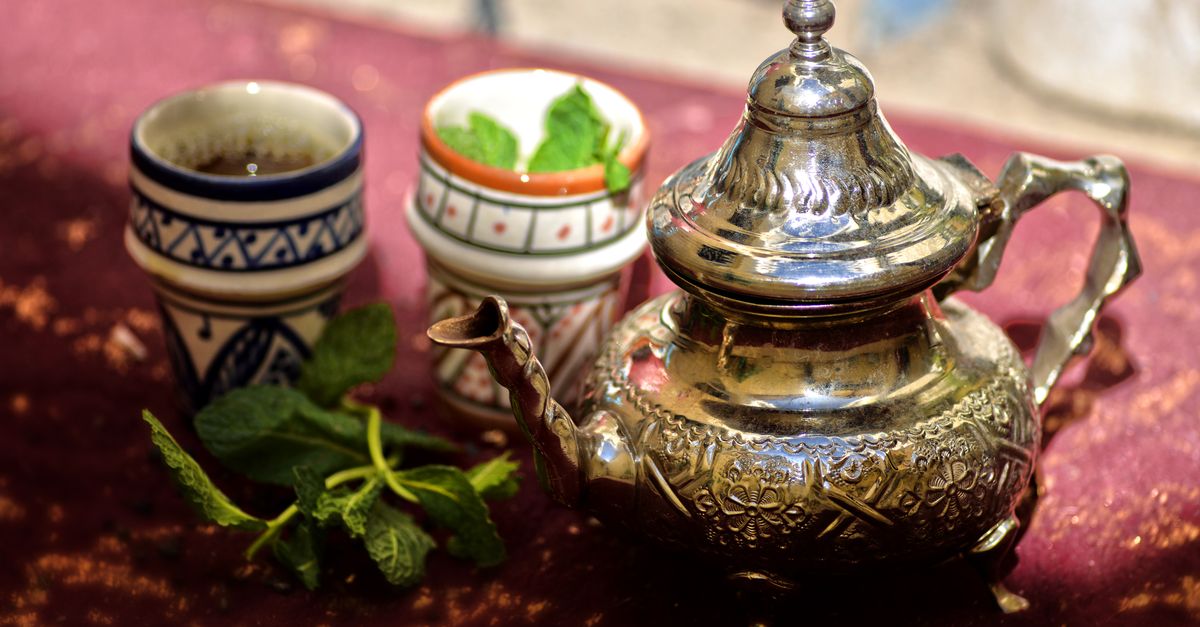
No meal in Al Hoceima ends without gunpowder green tea steeped with fresh mint and wild herbs such as pennyroyal (fliou) or absinthe (sheeba) during cooler seasons. Rifian tea is typically brewed strong and served sweet, serving as both a digestif and a gesture of welcoming hospitality.
Practical Trip Planning for Al Hoceima
Best Season to Visit
The ideal time to visit Al Hoceima for food and exploration is from May to October. Spring (May–June) and early autumn (September–October) offer pleasant temperatures, fresh catches, and manageable crowds. July and August bring vibrant summer energy as members of the Moroccan diaspora return home, but beach areas and popular eateries fill up quickly.
Getting Around
- Petit Taxis: Bright red taxis operate within the city center. They run on meters or fixed urban flat rates and are convenient for traveling between downtown, the port, and nearby beaches.
- Grand Taxis & Buses: Useful for day trips along the N16 coastal highway to Al Hoceima National Park or neighboring coastal villages like Ajdir and Cala Iris.
Money and Payments
The local currency is the Moroccan Dirham (MAD). Cash is king in Al Hoceima, especially at portside stalls, traditional markets, and small neighborhood cafes. Carry sufficient cash in smaller denominations (20, 50, and 100 MAD notes). Credit cards are generally accepted only in larger hotels and upscale establishments.
Safety and Local Respect
Al Hoceima is safe and welcoming to visitors. The local population appreciates polite interaction and conservative dress when walking through non-resort urban areas and local markets. Photography at fish stalls or in public places should always be preceded by asking permission with a friendly smile.
Nearby Highlights to Combine with Your Culinary Journey
- Al Hoceima National Park: Located just west of the city, this protected area features dramatic coastal cliffs, pristine hiking trails, and secluded coves like Bades. It is ideal for working off a heavy lunch.
- Plage Quemado: The city’s famous urban cove, nestled directly below high cliffs, offering calm water swimming right near downtown dining spots.
- Torres de Alcala: A historical coastal site featuring old watchtowers overlooking quiet fishing beaches where ultra-fresh, traditional seafood meals can be found in simple seaside shacks.
By taking the time to seek out authentic local seafood tagines at the port, lingering over mint tea along the cliffs, and respecting local customs, your visit to Al Hoceima will deliver a rich appreciation for Morocco's northern Mediterranean culture.
