
High in the dramatic folds of Morocco’s Rif Mountains, Chefchaouen is world-famous for its blue-washed alleyways, serene mountain air, and relaxed pace of life. Yet beyond its iconic aesthetics lies one of Northern Morocco’s richest and most distinct culinary traditions. Chefchaouen’s version of the quintessential Moroccan tagine reflects its rugged geography, agrarian heritage, and unique Mediterranean microclimate. Unlike the complex, spice-heavy, sweet-and-savory tagines found in imperial cities like Fes or Marrakech, Chefchaouen’s tagines are defined by simplicity, wild mountain herbs, cold-pressed olive oils, and fresh regional livestock.
Dining on a tagine in Chefchaouen is an immersive regional experience. Recognized by UNESCO as an emblematic community for the Mediterranean Diet, the town takes immense pride in seasonal, locally sourced produce brought down daily from nearby mountain villages. Understanding how mountain herbs, wild aromatics, and traditional clay-pot cooking come together in the Blue City will transform how you eat and explore during your visit.

The Culinary Heritage of the Rif Mountains
The culinary landscape of Northern Morocco differs significantly from the south. Tucked beneath the limestone peaks of the Rif, Chefchaouen’s isolated location historically forced local cooks to rely on what could be grown, gathered, or raised nearby. The resulting regional cuisine is rooted in berber practices, Andalusian influences brought by Sephardic and Moorish refugees in the 15th century, and the rich biodiversity of the surrounding Talassemtane National Park.
Tagine in Chefchaouen is not merely a dish; it refers to both the iconic conical earthenware vessel and the slow-cooked stew prepared inside it. The cone-shaped clay lid traps steam and drops condensation back down onto the cooking meat and vegetables, allowing ingredients to tenderize gently over low heat—traditionally over a bed of wood embers or charcoal (mbi'khra). This moist, low-heat cooking method preserves the subtle, herbal flavors of mountain vegetation without scorching delicate olive oil.
Essential Ingredients of a Chefchaouen Tagine
What sets a Chefchaouen tagine apart from its lowland cousins is the specific pantry of raw, hyper-local ingredients that mountain cooks rely upon daily.
Wild Rif Herbs and Aromatics
Mountain cooks make extensive use of wild herbs gathered along the slopes of the Rif. Chief among them is za'atar (wild mountain thyme) and flliou (pennyroyal mint), along with wild marjoram, rosemary, and bay leaves. These herbs give Northern tagines a piney, peppery, and earthy aroma that balances rich meats. Rather than heavy reliance on commercial ground spices, a local chef might flavor a broth simply with garlic, crushed coriander seeds, sea salt, cumin, saffron filaments, and a generous handful of fresh wild herbs.
Zit Zaytoun (Local Olive Oil)
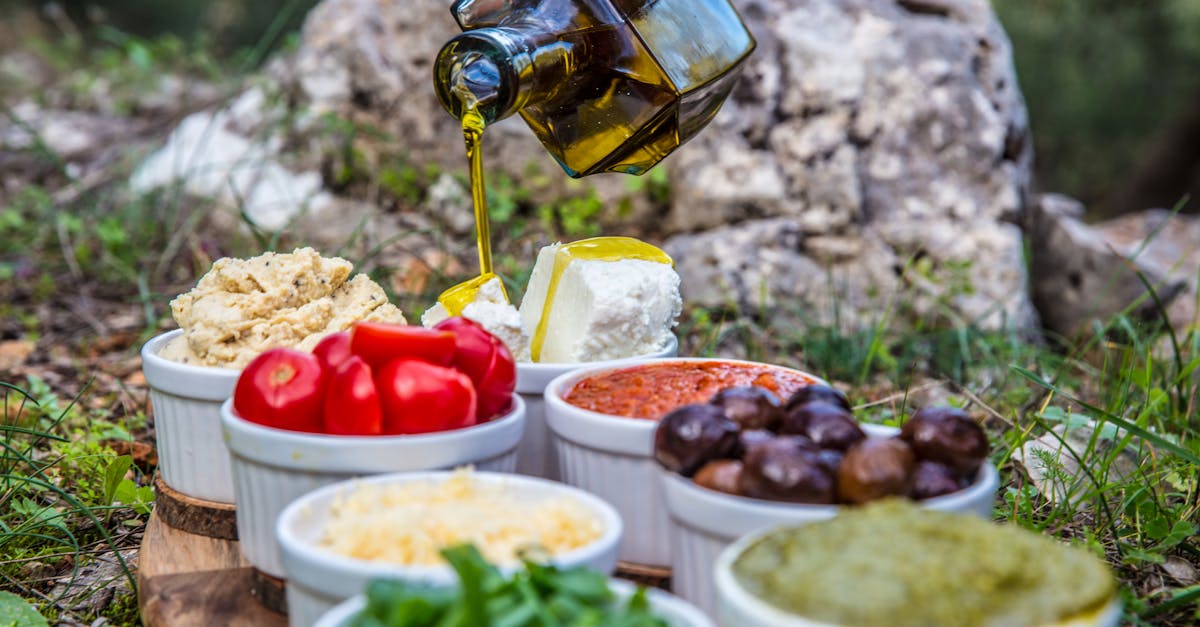
Olive trees cling to every terrace surrounding Chefchaouen. The cold-pressed olive oil (zit zaytoun) produced in the Rif is robust, slightly peppery, and intensely aromatic. It serves as the base for almost every tagine, used both to sauté initial aromatics and drizzled raw over the completed stew just before serving.
Jben (Rif Goat Cheese)
The craggy mountains are home to thousands of grazing goats, making goat milk products central to local identity. Fresh, unpasteurized goat cheese (jben), traditionally wrapped in woven palmetto palm leaves, is ubiquitous. While usually eaten at breakfast with honey or flatbread, local cooks occasionally incorporate soft goat cheese into vegetable tagines or serve it alongside savory baked dishes.
Mountain Meats and River Fish
Goat and lamb are the dominant meats in the Rif. Due to the free-range grazing habits of mountain herds, goat meat in Chefchaouen is lean, sweet, and deeply flavorful. Veal and chicken are also popular, particularly free-range village chickens (djaj beldi). Along rivers and fresh water sources, seasonal freshwater fish or dried fish preserves are sometimes cooked in spiced tomato tagines.
Signature Regional Tagines to Try in the Blue City
When ordering or preparing tagine in Chefchaouen, look out for these iconic regional variations:
1. Mountain Goat Tagine with Thyme and Prunes (Tagine d'Chèvre au Thym)
- Ingredients: Local tenderized goat meat, wild thyme, garlic, onions, olive oil, dried prunes, roasted almonds, and a touch of honey.
- Regional Connection: Highlights the high-altitude goat farming traditions of the Rif. The piney thyme cuts through the richness of the meat.
- When Eaten: Typically enjoyed as a hearty lunch dish, particularly during weekend family gatherings or festivals.
- Where to Find: Traditional medina family-run restaurants and countryside guesthouses.
2. Tagine Beldi: Free-Range Chicken with Preserved Lemons and Olives
- Ingredients: Free-range chicken (djaj beldi), cured cracked green olives, house-preserved lemons, ginger, saffron, garlic, and fresh coriander.
- Regional Connection: A classic throughout Morocco, but Chefchaouen’s version utilizes intensely tangy, small mountain olives and native birds raised on natural forage.
- When Eaten: Everyday lunch or dinner staple.
- Where to Find: Almost every neighborhood restaurant and roadside diner in and around the medina.
3. Tagine de Légumes d'Altitude (Seasonal Mountain Vegetable Tagine)
- Ingredients: Young zucchini, mountain potatoes, peas, broad beans, sweet tomatoes, wild oregano, garlic, and cold-pressed olive oil.
- Regional Connection: Directly reflects the Mediterranean Diet heritage celebrated by UNESCO, highlighting seasonal crop rotations from nearby smallholdings.
- When Eaten: Daily, especially popular as a lighter dinner or vegetarian option.
- Where to Find: Medina cafes, home-cook workshops, and market stalls.
4. Tagine Kefta Beldi (Minced Meat with Eggs and Herbs)
- Ingredients: Hand-minced beef or lamb meatballs, ripe tomato sauce, paprika, cumin, garlic, baked eggs, and fresh mountain parsley.
- Regional Connection: Comfort food served fresh out of bubbling clay pots, frequently seasoned with wild herbs unique to northern markets.
- When Eaten: Casual lunches, late afternoon meals, or quick dinners.
- Where to Find: Small street eateries, medina plazas, and casual lunch counters.

Where to Taste Authentic Tagines in Chefchaouen
Finding exceptional tagine in Chefchaouen involves stepping away from generic tourist menus along main thoroughfares and seeking out places that cook over slow charcoal fires or source directly from local farmers.
Place Outa el-Hammam (Central Plaza)
Why Visit: The main town square is ideal for people-watching beneath the historic Kasbah walls and the grand mosque tower. While many places here cater primarily to tourists, select long-standing establishments serve solid traditional chicken and kefta tagines.
Best Time: Late afternoon to sunset for atmosphere.
Duration: 1 to 2 hours.
Family Suitability: Excellent; spacious outdoor seating with room for strollers.
Practical Caution: Prices in the main square are generally 20–30% higher than in quiet residential alleys. Always double-check menu prices before ordering.
Upper Medina (On-the-Way to Ras El Maa)
Why Visit: The quieter streets leading up toward the Ras El Maa waterfall host family-run eateries (maison d'hôte dining spaces and small family cafes) where home-style cooking flourishes. Here, women-led culinary cooperatives and small family kitchens prepare tagines using morning market purchases.
Best Time: Midday lunch (12:30 PM to 3:00 PM) when tagines are freshest.
Duration: 1 hour.
Family Suitability: Very good, welcoming, family-friendly atmospheres.
Practical Caution: Authentic slow-cooked tagines take time. If a venue offers 20 different tagines ready in 5 minutes, they are likely reheating prep bowls rather than slow-cooking in clay.
Rural Eco-Lodges (Gîte d'Étape in Talassemtane)
Why Visit: Located just outside the town boundaries in nearby villages like Akchour or Bab Taza, rustic mountain lodges offer the most authentic farm-to-table tagines cooked directly over open wood embers.
Best Time: Day trips for lunch after hiking.
How to Get There: Grand Taxi from Chefchaouen’s main taxi stand, or hired private driver.
Useful Nearby Places: Akchour Waterfalls, God's Bridge natural archway.

Cultural Etiquette and Food Traditions
Food in the Rif Mountains is deeply tied to hospitality, religious tradition, and social connection. Adhering to local dining customs shows respect and enhances your experience.
- Eating from a Shared Vessel: Traditional tagines are served family-style in the center of the table. Diners eat directly from the dish using pieces of freshly baked flatbread (khobz) held between the thumb and first two fingers of the right hand.
- The Right Hand Rule: Always use your right hand for eating and passing dishes, as the left hand is traditionally reserved for personal hygiene.
- Respecting the Triangular Zone: When sharing a communal tagine, eat from the triangular section directly in front of you. Reaching across the dish to pick choice pieces of meat or vegetables from another person's section is considered poor etiquette.
- Bread as the Utensil: Bread is used to scoop up sauce, vegetables, and meat. Avoid dipping already-bitten bread back into communal sauce.
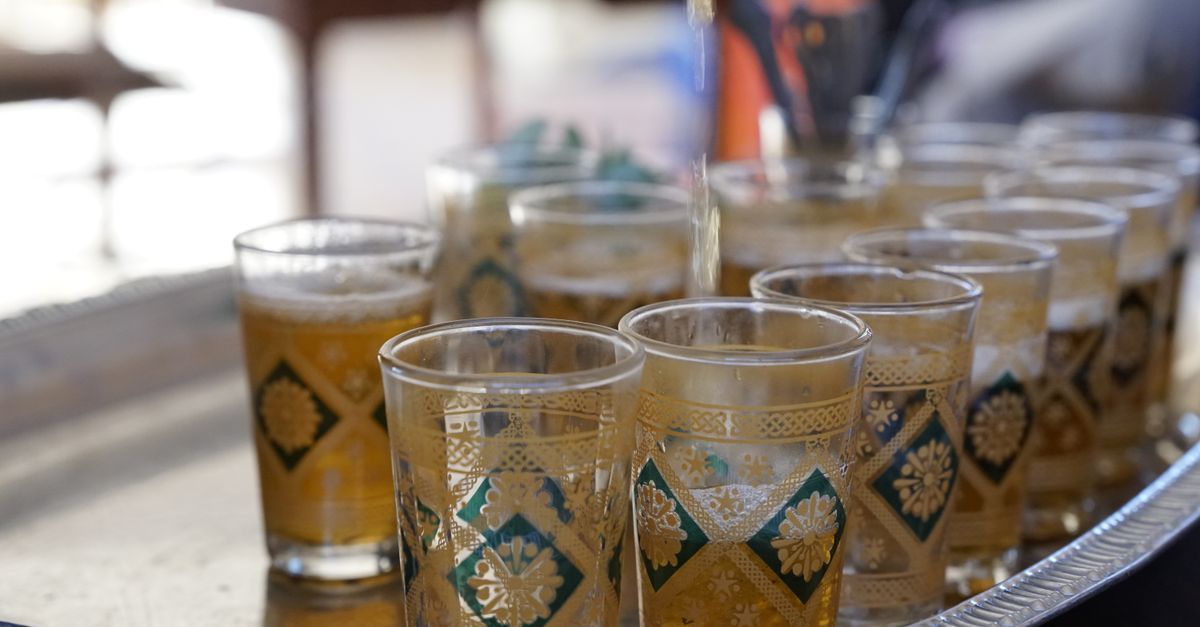
- Mint Tea Ritual: A tagine meal is almost always preceded or followed by sweet Moroccan mint tea (atay), made here with green tea, fresh spearmint, and occasionally mountain herbs like wild sage or pennyroyal. Accept offered tea gracefully, as refusing can be perceived as polite disrespect.
Practical Trip Planning for Food Enthusiasts
Best Time to Visit for Culinary Experiences
Spring (March to May) and Autumn (September to November) are ideal. Spring offers abundant wild mountain herbs, fresh green produce, and pleasant walking weather. Autumn brings olive harvesting season, where you can observe cold-pressing at local rural mills (maâsra) and sample unfiltered olive oil.
Transport and Getting There
Chefchaouen has no airport or railway station. Access is entirely by road:
- By Bus: CTM and Supratours run regular, comfortable coaches from Tangier (approx. 3 hours), Fes (approx. 4 hours), and Tetouan (approx. 1.5 hours). Bus tickets generally range from 50 to 110 MAD depending on origin.
- By Grand Taxi: Shared or private Grand Taxis connect Chefchaouen to Tetouan and Tangier. A private cab costs significantly more but offers flexible door-to-door transit.
- On Foot in Town: Chefchaouen's medina is entirely pedestrianized and features steep stone steps. Wear sturdy walking shoes with good grip.
Money and Payment Realities
Cash is king in Chefchaouen. While luxury hotels and high-end boutique spots accept credit cards, almost all local cafes, market vendors, and traditional medina eateries accept cash only in Moroccan Dirhams (MAD). Carry small denomination bills (20, 50, 100 MAD) for meals, as small stalls often struggle to make change for 200 MAD notes. ATMs are available around Place Mohammed V and near the entrance to the medina, but they can occasionally run out of cash during busy holiday weekends.
Pricing Expectations
Food prices in Chefchaouen remain very reasonable compared to larger cities. Expect to pay:
- Casual medina street eatery tagine: 35 to 60 MAD
- Mid-range sit-down restaurant tagine: 60 to 100 MAD
- Fresh goat cheese portion with bread: 15 to 30 MAD
- Pot of traditional mint tea: 10 to 20 MAD
Practical Caution and Health Notes
- Water: Stick to bottled or filtered water for drinking, though municipal tap water in Chefchaouen comes directly from mountain springs and is cleaner than in big cities. Tap water can still disrupt unaccustomed stomachs.
- Hills and Accessibility: The medina is steep with continuous stone staircases. Travelers with mobility issues should choose accommodation near lower gates like Bab El Ain.
- Guides: Official guides can be booked through the local tourist office. Polite, firm refusals ("La, Shukran") work well for persistent unofficial street touts offering tours or cannabis products outside the main gates.
Conclusion
Exploring the food of Chefchaouen reveals a softer, deeply atmospheric side of Moroccan gastronomy. Slow-cooked over charcoal and seasoned with wild herbs picked off limestone peaks, the local tagine encapsulates centuries of Rif mountain culture. Savoring goat meat with wild thyme or seasonal rustic vegetables tossed in peppery local olive oil is not just a meal—it is a direct connection to the landscape, rhythm, and enduring hospitality of Northern Morocco.
