
Nestled against the dramatic backdrop of the Rif Mountains, Tetouan stands out among Moroccan cities for its deep historical ties to Moorish Andalusia. Known as the "White Dove," Tetouan's UNESCO-listed medina is a living museum of Hispano-Moorish architecture, urban layout, and craft traditions. This rich heritage extends directly into the city's kitchens. Unlike the sweet-and-savory heavy tagines of Marrakech or the complex spice profiles of Fez, Tetouan's culinary tradition is defined by subtle aromatic balance, fresh herbs, citrus, and an unmatched reliance on fresh Mediterranean seafood.
A trip to Tetouan offers food lovers a distinct taste of northern Morocco. The city’s slow-cooked tagines reflect centuries of cultural exchange between exiled Andalusian Muslims and Jews, local Northern Berber tribes, and Ottoman Mediterranean influences. Understanding Tetouan's tagine heritage allows travelers to taste history in every meal while navigating a city that remains refreshingly authentic and far removed from heavy mass tourism.

The Culinary Identity of Tetouan: Where Andalusia Meets the Rif
In 1492, following the fall of Granada, thousands of Andalusians sought refuge across the Strait of Gibraltar, rebuilding Tetouan into a major urban center. They brought with them refined court recipes, preserved citrus techniques, unique sweet-and-sour pairings (agredulce), and an emphasis on garden-fresh herbs like parsley, cilantro, and mint. Over generations, these refined techniques merged with the robust, rustic staples of the surrounding Rif Mountains—extra virgin olive oil, wild oregano, garlic, and goat's milk cheese.
This synthesis created a culinary identity that is uniquely Tetouani. While saffron, ginger, and turmeric form the foundational spice base across Morocco, Tetouan tagines frequently incorporate fresh garlic, ground coriander seeds, lemon juice, orange blossom water, and local olives in generous measure. Cooking is typically done over low charcoal heat in heavy earthenware clay vessels, allowing rich juices to reduce slowly into thick, velvety sauces known locally as deghmira.
Signature Northern Tagines You Must Try in Tetouan
When dining in Tetouan, seeking out regional dishes yields a far superior experience to ordering standard national tourist fare. Here are the hallmark tagines and local specialties that best define northern Moroccan cooking.
Tagine de Poisson à la Charmoula (Northern Seafood Tagine)
Given Tetouan's proximity to the Mediterranean fishing port of Martil, seafood plays a starring role on local tables. Fresh sea bream, swordfish, or red mullet is marinated in a vibrant charmoula paste made from fresh cilantro, garlic, ground cumin, sweet paprika, lemon juice, and olive oil. The fish is gently stewed in a clay tagine over a bed of sliced tomatoes, bell peppers, carrots, and potatoes, finished with fresh lemon slices and green olives. The flavor is bright, herbaceous, and savory without overpowering the delicate fish.
Tagine of Beef or Lamb with Sweet Quince or Prunes (M'Aamra / M'hamma)
A classic Andalusian-inspired dish frequently served at family gatherings and celebrations, this tagine balances rich, tender meat cooked with saffron, cinnamon, and ginger against sweet caramelized fruit. In autumn and winter, fresh local quinces (Sfarjal) are poached, lightly caramelized with honey and cinnamon, and arranged over slow-cooked beef or lamb shank. The resulting sauce is intensely savory with a delicate floral sweetness.
Tagine d'Agneau aux Figues et Noix (Lamb with Dried Figs and Walnuts)
Highlighting the produce of the Rif valley orchards, this northern staple features braised lamb gently cooked until tender, then garnished with rehydrated dried figs simmered in a light cinnamon syrup and toasted local walnuts. It offers a subtle earthy complexity distinct from the sweeter plum-based tagines of southern Morocco.
Poulet aux Citrons Confits et Olives (Northern Chicken Tagine)
While available throughout Morocco, Tetouan's version emphasizes garlic, flat-leaf parsley, and sharp salted preserved lemons paired with dark green, locally harvested olives. The sauce is reduced down to a concentrated onion reduction that coats the tender, fall-off-the-bone chicken.

Essential Food Markets and Dining Spots in Tetouan
To truly appreciate Tetouan's culinary landscape, travelers should combine visits to local markets with traditional medina eateries and family-run restaurants.
El Ensanche and Medina Street Food Stalls
- Why Visit: Observe daily life, purchase local ingredients, and sample fresh street foods like bessara (fava bean soup cooked with garlic and olive oil) or kalinti (a baked chickpea flour pie spiced with cumin).
- Best Time: Morning between 9:00 AM and 11:30 AM for active market stalls.
- Realistic Duration: 1 to 2 hours.
- How to Get There: Easily walkable from Place El Hedim / Place Moulay El Mehdi.
- Family Suitability: Excellent, though narrow lanes can be crowded with carts.
- Practical Caution: Keep cash in small denominations; credit cards are rarely accepted in market stalls.
Traditional Medina Culinary Restaurants
For a formal tagine lunch, head inside the historic medina to traditional Hispano-Moorish courtyard houses converted into dining venues. Ordering a complete menu usually includes a spread of cold cooked salads (like zaalouk cooked eggplant and roasted pepper taktouka) followed by a signature slow-cooked tagine and fresh fruit.
- Average Cost: Expect to pay between 70 MAD and 150 MAD per person for a comprehensive meal at a traditional sit-down establishment. Prices in small local eateries outside tourist paths can be as low as 40 MAD to 60 MAD for a single tagine.
- What to Avoid: Avoid restaurants without posted prices or clear local clientele. Always confirm if tagines are cooked fresh to order, as slow-cooked dishes take time to prepare properly.

Cultural Context, Dining Etiquette, and Culinary Customs
Food in Tetouan is deeply social and bound by traditional hospitality practices that stem from Islamic and Andalusian cultural norms.
- Communal Dining: Tagines are traditionally served in the center of the table and shared directly from the clay vessel. Diners eat from the wedge of the tagine directly in front of them using crusty round Moroccan bread (khobz) as a scoop instead of cutlery.
- Hand Etiquette: If eating with your fingers, always use your right hand. Washing hands before and after meals is custom; many traditional restaurants provide a pitcher and basin for table-side handwashing.
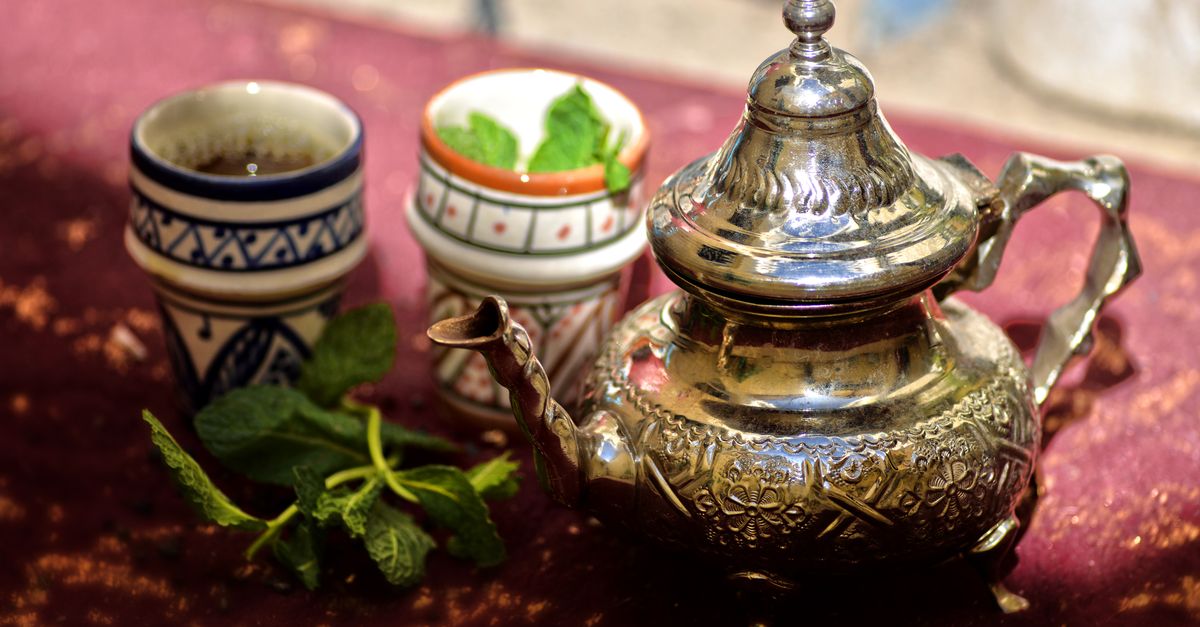
- Mint Tea Ritual: A meal is almost always concluded with hot green tea steeped with fresh spearmint leaves and generous sugar (Atay). Accepting a cup of tea when offered by a vendor or host is a fundamental courtesy.
- Tipping: Tipping is customary in sit-down restaurants. Leaving a 5% to 10% cash tip for good service is standard and appreciated.
Practical Travel Planning for Food Lovers Visiting Tetouan
Best Time to Visit
Spring (March to May) and Autumn (September to November) offer comfortable temperatures perfect for walking the medina and enjoying outdoor dining. Summers (July and August) can be warm, though cooler than inland cities like Fez or Marrakech due to Mediterranean sea breezes. Winter brings crisp air and rain, which makes warm, bubbling tagines even more satisfying.
Transport and Getting There
- By Air: Sania Ramel Airport (TTU) serves Tetouan directly with select domestic and European flights. Alternatively, fly into Tangier Ibn Battouta Airport (TNG), located approximately 60 km away.
- By Grand Taxi / Bus: Frequent shared grand taxis and CTM buses connect Tangier to Tetouan (around 1 hour travel time). Shared taxis cost roughly 30 MAD to 50 MAD per seat.
- Getting Around: The historic medina is completely car-free and must be explored on foot. Yellow grand taxis and small blue petite taxis operate outside the medina walls for reasonable, metered fares.
Money and Cash Realities
Tetouan remains a predominantly cash-based economy. While upscale hotels and larger modern restaurants accept international Visa or Mastercard, medina eateries, markets, taxis, and small cafes require Moroccan Dirhams (MAD). ATMs are readily available along Avenue Mohammed V and around Place Moulay El Mehdi.

Useful Nearby Destinations for Food and Culture
- Chefchaouen (80 km south): The famous blue city in the Rif Mountains, ideal for sampling goat cheese, mountain honey, and rustic mountain tagines.
- Martil (10 km east): Tetouan’s seaside neighbor, famed for its beach promenade, evening strolls, and simple, ultra-fresh grilled seafood joints along the port.
- Tangier (60 km west): The vibrant international gateway city offering high-end international dining, historic cafes, and dramatic coastal views.
