
Tea Culture in the Atlas Mountains: Amazigh Hospitality, Mountain Herbs, and the Art of Preparation
Across the high ridges, terraced valleys, and stone villages of Morocco's High and Anti-Atlas mountains, tea is far more than a simple beverage. Known locally as atay, it serves as an indispensable gesture of welcome, a social bridge, and a foundational element of Amazigh (Berber) identity. To step inside a village home in the Ourika Valley, Imlil, or the Ait Bouguemez region is to be greeted almost immediately with the warm clink of tea glasses and the aromatic steam of freshly steeped herbs.
Understanding the nuances of mountain tea culture transforms a standard trek or village visit into a meaningful cultural exchange. From the distinct seasonal botanicals gathered on high pastures to the deliberate steps involved in brewing the perfect pot, the preparation of tea in the Atlas Mountains reflects centuries of adaptation, highland botanical knowledge, and unyielding hospitality.

Atay: The Heartbeat of Amazigh Hospitality
In rural Amazigh communities, offering tea to a traveler or visitor is a fundamental social requirement. The gesture translates host responsibility into a physical offering. Refusing a freshly poured glass of tea without a polite, culturally understood reason can be perceived as rejecting the host's welcome.
Historically, gunpowder green tea arrived in Moroccan ports via British merchants in the 18th and 19th centuries before spreading inland to trade routes across the Atlas chain. The highland populations adapted this imported commodity to their immediate environment, combining the imported leaves with local sugar cones and indigenous mountain flora. Today, tea-drinking occurs multiple times daily: before work, during rest breaks, following meals, and whenever a guest crosses the threshold.
Why Tea Preparation is Typically Reserved for Men or Elders
While daily household cooking often falls within the domestic sphere of women, the formal preparation of ceremonial tea for guests in rural villages is frequently conducted by the male head of the household or an honored elder. This distinction underscores tea service as a formal diplomatic act within the home. The host sits before a low brass or silver-plated tray (sejniya), surrounding themselves with the teapot (berrad), glasses, sugar blocks, and fresh herbs, executing the ritual in full view of the assembled company.
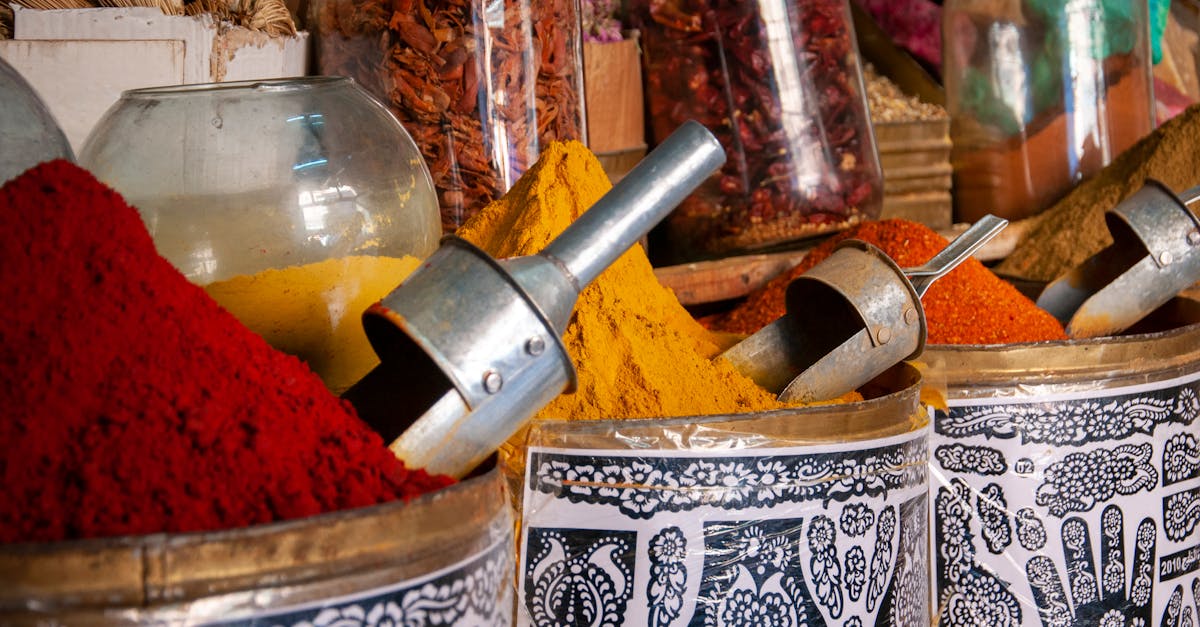
The Mountain Botanicals: Beyond Mint
While urban cafes in Marrakech or Fes rely almost exclusively on spearmint (na'na'), Atlas Mountain tea varies dynamically by altitude, season, and household health needs. Amazigh tea culture relies heavily on wild-harvested and garden-grown herbs, turning each pot into a reflection of the immediate landscape.
- Na'na' (Spearmint): The foundational herb used during spring and summer months, prized for its refreshing aroma and cooling properties.
- Sheeba (Absinthe / Wormwood): Harvested during late autumn and winter when temperatures drop across the mountains. Bitter and intensely aromatic, sheeba provides warming qualities and digestive support during harsh snowfalls. It is used sparingly to prevent overwhelming bitterness.
- Timija (Wild Mountain Mint): Native to high stream banks and damp mountain soils, timija features small, highly fragrant leaves that yield a sweeter, smoother flavor than cultivated spearmint.
- Fliou (Pennyroyal): A wild field mint with a sharp, medicinal edge, widely used during cold snaps to soothe respiratory conditions and warm the body.
- L'meigda or Azukni (Wild Thyme): Foraged along sunny limestone ridges, mountain thyme is often added to evening tea brews to calm digestion after heavy tagines.
- Louisa (Lemon Verbena): Often brewed alongside or in place of green tea leaves in the late evening as a caffeine-free nightcap.
Seasonal Tea Blends in High-Altitude Villages
In high-altitude settlements where winter cuts off road access, fresh green mint is unavailable for months at a time. Highland families dry gathered summer herbs on rooftops, storing bundles of dried thyme, verbena, and wormwood in cloth sacks. A winter mountain tea is robust and bitter, sweetened heavily to offset the potency of dried herbs.

The Anatomy of the Ceremony: Step-by-Step Preparation
Preparing atay in the Atlas Mountains follows a precise rhythm. Skipping steps is seen as a sign of haste or lack of respect for the process. A complete tea service generally takes between twenty and thirty minutes from lighting the stove to serving the first glass.
1. Washing the Leaf (The Spirit of the Tea)
The host places a generous tablespoon of Chinese gunpowder green tea into the metallic teapot. Boiling water is poured over the pellets and left to sit for thirty seconds. This initial dark amber liquid is poured out into a glass and kept aside; this is known as the spirit or heart of the tea (el-rouh), containing the essential oils and aroma.
2. Rinsing the Bitterness
A second pour of hot water is swirled around the pot and discarded completely. This step removes excess surface dust and harsh bitter tannins from the green tea leaves without stripping away their core flavor.
3. Combining and Boiling
The saved spirit (el-rouh) is returned to the teapot, along with fresh water, large chunks of sugar cut from a traditional cone (qalb n-sukkar), and fresh or dried herbs. In traditional village homes, the pot is placed directly over live coals or a gas burner to bring the mixture to a brief simmer, forcing the sugar to caramelize slightly and fusing the green tea with the plant essential oils.
4. The Pour and Aeration
The host holds the teapot high above the tray, pouring a thin, steady stream into glass cups. This high pour aerates the hot liquid, forming a delicate layer of froth on top called rezza (the turban). The presence of this foam signifies that the tea has been mixed expertly and served at an ideal temperature.
Etiquette for Visitors: Sharing Tea in a Village Home
Participating in a tea service in an Amazigh village comes with unspoken cultural expectations that express gratitude and respect to the host household.
- The Rule of Three: It is customary to consume three glasses of tea during a formal visit. A well-known regional proverb highlights this progression: the first glass is as gentle as life, the second is as strong as love, and the third is as bitter as death. Accepting three servings demonstrates patience and appreciation.
- Handling the Glass: Traditional tea glasses do not have handles. Hold the glass with your thumb at the top rim and your index finger supporting the bottom base to avoid burning your hands.
- Expressing Satisfaction: Slurping slightly while drinking helps cool the liquid and is considered a sign that you are enjoying the tea's rich aroma. A heartfelt word of thanks in Tamazight (Tanemmirt) or Arabic (Shukran) is always appreciated.
Practical Guide: Experiencing Tea Culture Responsibly
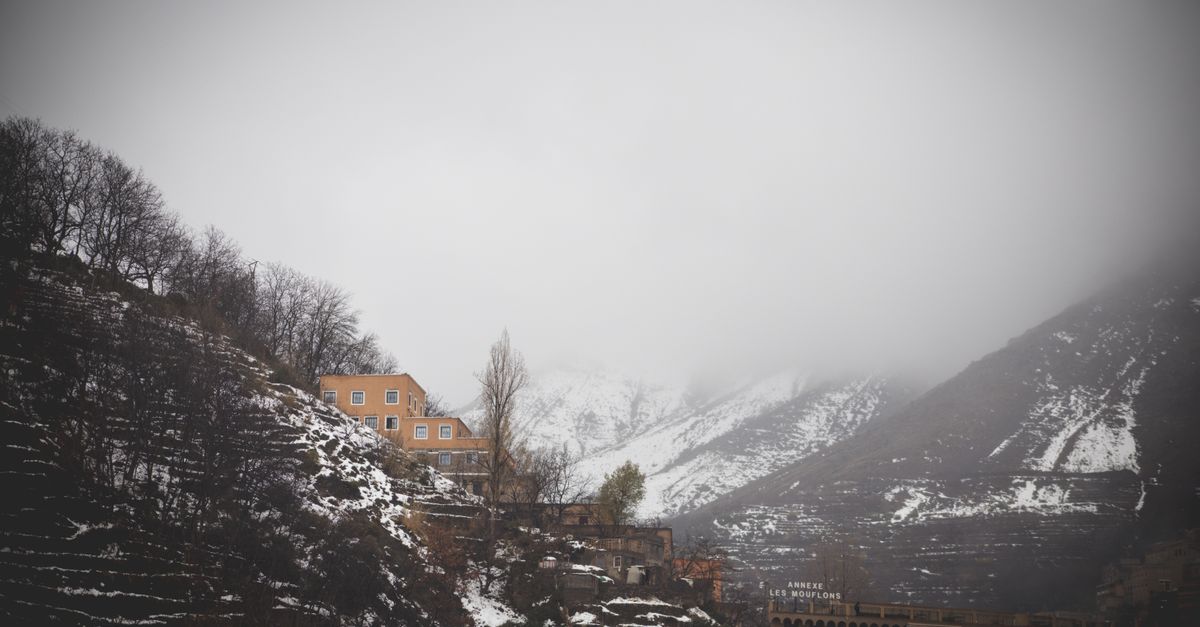
Travelers visiting mountain regions like Imlil, Toubkal National Park, or the Ait Bouguemez Valley will encounter tea service at guesthouses, local markets, and trailside rest stops.
- Trekking and Local Guides: Hiring local Amazigh guides not only ensures safety along high-altitude passes but also facilitates genuine, respectful interactions with local families.
- Purchasing Herbs and Tea Supplies: Weekly village markets (souks) are excellent places to observe local trade in wild mountain herbs and traditional brassware. Purchasing dried botanicals directly from local sellers supports family micro-economies.
- Dietary Considerations: Moroccan tea is traditionally served extremely sweet. If you prefer less sugar, request it politely before brewing begins by asking for shwiya d-sukkar (a little sugar) or bla sukkar (without sugar).
