
Tea Culture in the Atlas Mountains: Amazigh Hospitality, Mountain Herbs, and Rituals
Across the High, Middle, and Anti-Atlas ranges of Morocco, tea is far more than a simple beverage. Known locally as atay, it serves as the cornerstone of Amazigh (Berber) social life, a gesture of welcome, and an essential defense against alpine weather. While urban centers like Marrakech or Fes serve sweet spearmint tea in bustling cafes, mountain communities harvest wild herbs directly from terraced slopes, crafting complex, seasonal brews that reflect the landscape.
Understanding tea culture in the Atlas Mountains reveals deeper insights into Amazigh hospitality, local botanical knowledge, and centuries-old etiquette. Whether trekking through the High Atlas valleys or visiting a village homestead, knowing how tea is prepared, served, and accepted transforms a simple refreshment into a meaningful cultural connection.
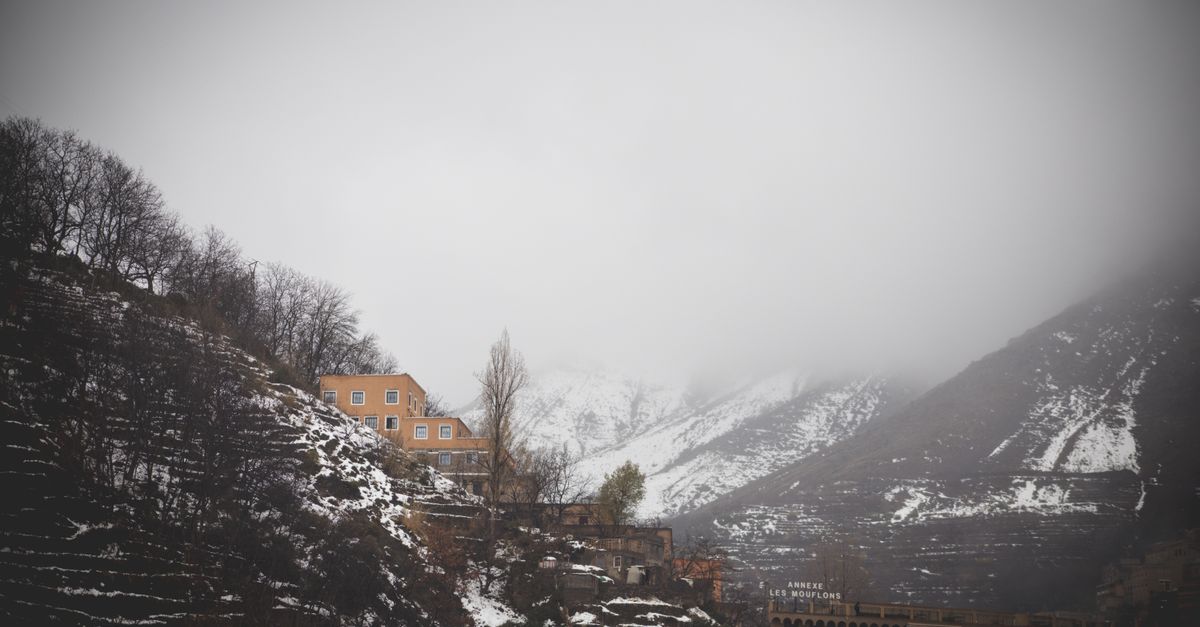
The Cultural Significance of Tea in the Atlas Mountains
In Amazigh culture, offering tea to a visitor is an obligation of hospitality, rooted in historic desert and mountain survival where welcoming strangers ensured mutual safety. In rural Atlas villages, a household will immediately prepare a fresh pot when a guest crosses the threshold, regardless of the time of day or the economic means of the family.
Refusing an offer of tea without a gentle, culturally appropriate explanation can be interpreted as a rejection of friendship. Tea accompanies every major event—from land disputes and marriage negotiations to simple afternoon gatherings after harvesting walnuts or barley. It is customarily prepared by the head of the household or an honored host, converting daily preparation into an active performance of respect.
Why Tea in the Mountains Differs from Urban Morocco
Urban tea in lowland Morocco heavily relies on fresh spearmint (naana) and refined sugar cones. In contrast, mountain tea culture adapts strictly to elevation, climate, and geography:
- Botanical Diversity: Mountain recipes incorporate wild alpine herbs like sage, thyme, and pennyroyal, which thrive on rocky slopes where cultivated spearmint struggles.
- Lower Sugar Levels: While still sweet, mountain brews often use less sugar than urban versions to allow medicinal and aromatic herbs to stand out.
- Functional Purpose: High-altitude tea serves direct physiological purposes—warming the core in freezing winter months, soothing digestion after dense barley meals, and aiding respiration during steep climbs.

Beyond Spearmint: Mountain Herbs and Seasonal Infusions
The distinctive character of Atlas Mountain tea comes from its botanical variety. Villagers forage for herbs along stream banks and high meadows, drying them under shade to preserve essential oils for winter use.
Key Herbs Used in Atlas Mountain Tea
- Wild Thyme (Za'atar): Harvested from dry, limestone hillsides. It adds a spicy, earthy aroma and is widely valued for clearing respiratory passages during cold alpine winters.
- Wormwood (Sheeba): Popular from late autumn through spring. Bitter and intense, only a single small twig is added to the pot to warm the body and boost immune function.
- Sage (Salmia): Gathered from lower mountain valleys, imparting a pine-like, soothing flavor that aids digestion after heavy dinners.
- Pennyroyal (Fluio): A potent wild mint species with a strong menthol fragrance, commonly used during cold snaps or to clear sinus congestion.
- Lemon Verbena (Lwisa): Often added to evening pots, providing a delicate citrus aroma that promotes restful sleep after demanding physical labor.
Seasonal Variation in Mountain Brews
Mountain herbal additions shift constantly throughout the calendar year:
- Spring: Fresh wild mints, orange blossom, and delicate young verbena leaves.
- Summer: Vibrant spearmint combined with fresh mountain sage to cool the body during heat waves.
- Autumn: Dried wild thyme, dried rosebuds, and early wormwood sprigs.
- Winter: Strong preparations featuring wormwood, pennyroyal, and dried thyme to provide deep heat.
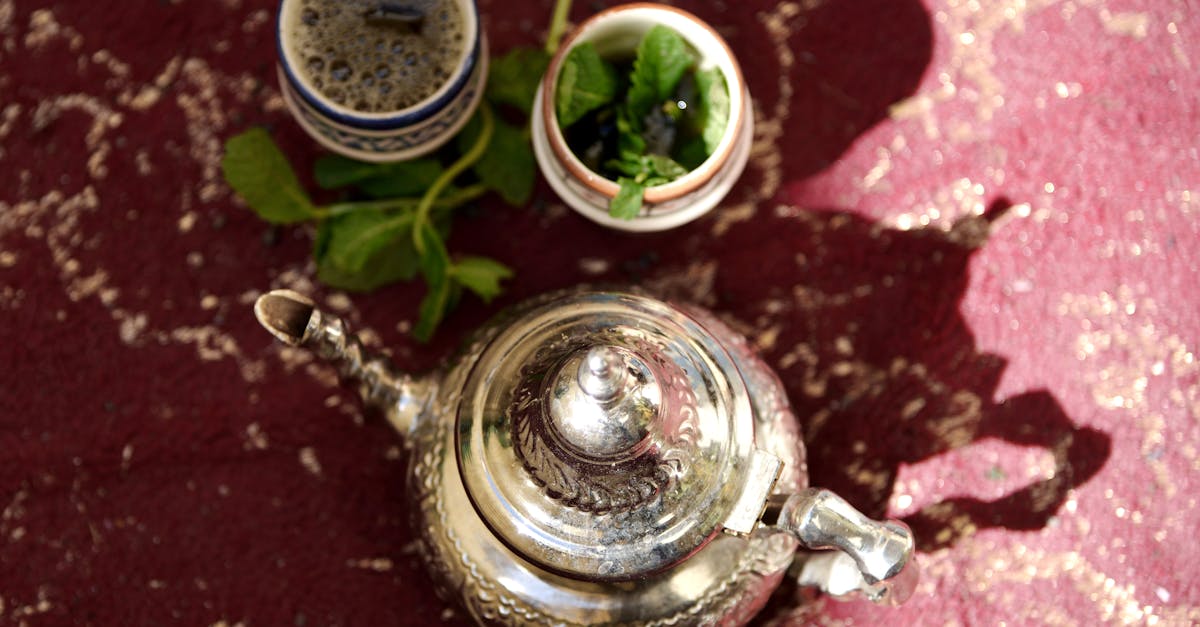
Step-by-Step: The Art of Preparing Amazigh Mountain Tea
Preparing atay requires patience, precise timing, and deliberate movement. The traditional technique follows specific steps to balance bitterness, sweetness, and botanical aromas.
Ingredients and Equipment
- Chinese Gunpowder Green Tea (Type 3505 or similar)
- Fresh or dried mountain herbs (Thyme, Sage, Spearmint, or Wormwood)
- Block sugar or traditional sugar cones (Pain de Sucre)
- Boiling water
- A stainless steel or silver-plated Moroccan teapot (Berrad)
- Small tea glasses (Kaanis)
The Traditional Brewing Process
- Rinsing the Tea Leaves (The Spirit): Place two tablespoons of gunpowder green tea into the teapot. Pour in half a cup of boiling water, swirl gently for ten seconds, and pour the liquid out into a glass. Set this golden liquid aside—it contains the essential oils and flavor of the tea, known as the spirit (er-rooh).
- Washing the Bitterness: Add another cup of boiling water to the remaining leaves in the pot, swirl vigorously, and discard this murky liquid. This removes excess surface dust and harsh tannins.
- Recombining and Simmering: Pour the initial reserved golden liquid back into the pot with the washed leaves. Fill the teapot with hot water and place it directly over hot coals or a gas flame until it comes to a slow boil.
- Adding Herbs and Sugar: Remove the teapot from the heat. Stuff the pot with fresh or dried mountain herbs and add sugar to taste. Gently push the herbs into the hot liquid using a spoon so they don't burn on the surface.
- Mixing and Aerating (The Pouring Ritual): Pour a glass of tea from a high distance into a glass, then pour it back into the teapot. Repeat this process three to four times. This mixes the sugar, dissolves the herbal oils, cools the drink to a palatable temperature, and creates a thick, frothy crown (regga) on the tea.

Hospitality Etiquette: What Every Traveler Should Know
Participating in an Atlas tea ceremony involves unspoken cultural guidelines. Observing these gestures shows respect for your hosts and their customs.
Key Cultural Rules
- Accepting the First Glass: Always accept at least one glass of tea when offered. Declining immediately can be seen as antisocial or mistrustful.
- The Three Glasses Rule: A famous North African adage states: "The first glass is as gentle as life, the second is as strong as love, the third is as bitter as death." Expect to be offered three rounds of tea during a formal visit. Leaving after the third glass is polite.
- Using Your Right Hand: Always accept, hold, and drink your tea glass with your right hand, as the left hand is traditionally reserved for personal hygiene in regional customs.
- Handling Hot Glasses: Traditional tea glasses lack handles. Hold the glass with your thumb at the top rim and your index finger supporting the thick base to avoid burning your fingers.
- Expressing Gratitude: Express your appreciation by saying Tanemmirt (Thank you in Tamazight) or Saha (To your health).
Where and How to Experience Authentic Tea Rituals
Visitors seeking genuine tea culture away from tourist cafes have several practical choices in the Atlas region:
1. Village Guesthouses (Gîtes d'Étape)
Why Visit: Local family-run guesthouses along major trekking routes serve home-brewed mountain tea alongside regional meals like barley bread, olive oil, and wild thyme honey.
Best Time: Year-round, especially late afternoon after a day of hiking.
Access & Location: Accessible in trek hubs like Imlil, Aroumd, and the Ouirgane Valley in the High Atlas, or the Ait Bouguemez Valley in the Central Atlas.
Family Suitability: Excellent for families and travelers seeking authentic interaction without intrusive commercial tours.
2. Weekly Mountain Markets (Souks)
Why Visit: Rural souks feature open-air tea tents where locals gather to conduct business, swap news, and rest over long pots of herb-infused tea.
Best Time: Morning hours on market days (varies by village, e.g., Asni on Saturdays, Amizmiz on Tuesdays).
Access & Location: Major valley hubs accessible by grand taxi or local transport from regional capitals.
Cautions: Markets can be crowded and dusty; opt for stalls busy with local elders for the freshest tea and water safety.
