
Tea Culture in the Rif Mountains: How Northern Moroccan Villages Prepare and Share Atay
Across Morocco, mint tea is an iconic symbol of hospitality, but in the rugged Rif Mountains of the north, the daily ritual of atay takes on a distinct botanical and social character. Isolated by steep valleys and dramatic limestone peaks, rural communities around Chefchaouen, Ketama, Akchour, and Taounate have preserved micro-regional brewing methods that differ substantially from the urban tea traditions of Fez or Marrakech.
Understanding Rifian tea culture offers travelers a window into mountain life, where seasonal foraging, specific family hierarchies, and rustic culinary pairings define every glass poured. This guide explores how northern village families cultivate, prepare, and share their tea, along with practical etiquette advice for visitors invited into a local household.
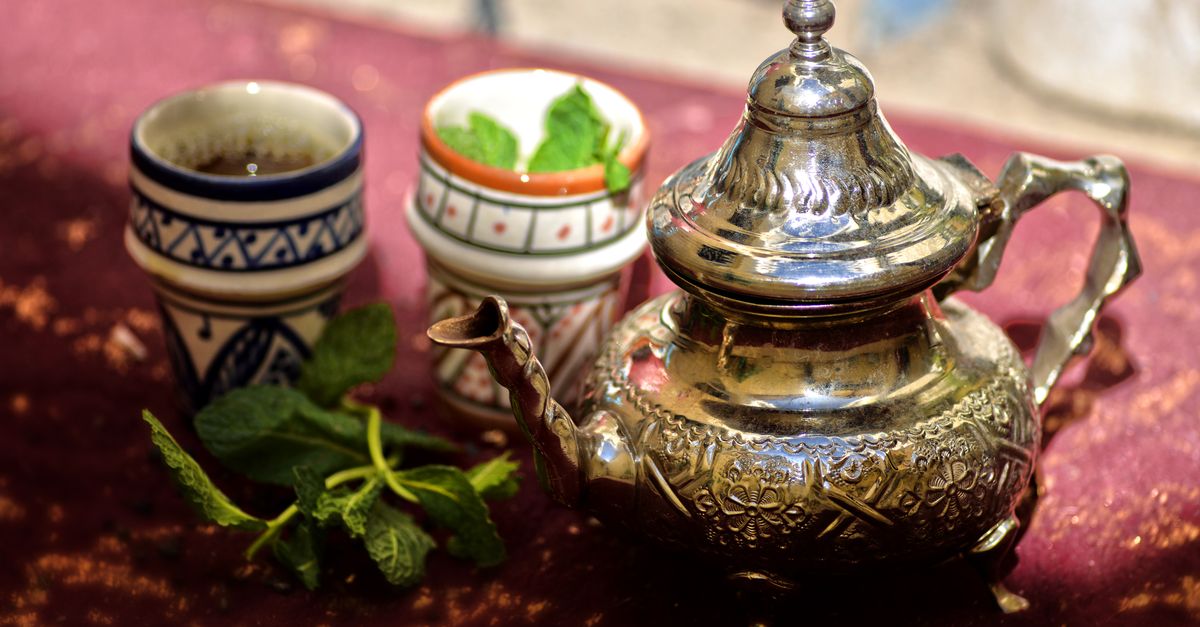
The Identity of Rifian Tea Culture
In lowland cities, Moroccan green tea relies heavily on cultivated spearmint (na'na') and refined white sugar loaves. In contrast, the high-altitude climate and agrarian rhythm of the Rif region introduce a diverse botanical blend rooted in mountain foraging and seasonal availability.
Rifian tea is rarely a single-ingredient infusion. While Chinese gunpowder green tea (Gunpowder 3505) forms the base, village households layer their pots with wild aromatics harvested directly from nearby terraces, riverbeds, and pine slopes. The resulting flavor profile is earthy, herbaceous, and intensely medicinal, reflecting the environment of the northern highlands.
Key Distinctions of Mountain Atay
- Foraged Herbs: Seasonal herbs frequently take priority over standard garden mint.
- Robust Sweetness: High sugar levels balance the sharp, bitter tannins of wild herbs and strong green tea infusions.
- Simmered Preparation: Tea is frequently steeped longer or briefly brought back to a simmer over embers rather than simply steep-and-pour.
- Rustic Accompaniments: Served alongside cold-pressed olive oil, freshly baked flatbreads, and wild mountain honey rather than delicate urban pastries.
Wild Foraging and Mountain Botanicals Beyond Mint
In northern villages, tea preparation begins long before water hits the kettle. Family members, particularly women and young shepherds, forage for seasonal herbs along mountain trails and terraced fields. These botanicals vary significantly depending on the elevation and time of year.

Seasonal Herbs Used in the Rif
- Fliou (Wild Pennyroyal Mint): Harvested near mountain streams, this pungent herb provides a sharp, cooling flavor and is traditionally used during cooler months to ward off respiratory chills.
- Sheeba (Wormwood / Absinthe): Highly favored during the cold, wet winter nights in the upper Rif. A small branch adds an intensely bitter, warming quality that requires careful balancing with sugar.
- L'Weza (Lemon Verbena): Grown in family gardens or gathered wild, verbena is added to late-afternoon or evening brews for its soothing citrus aroma and digestive benefits.
- Za'atar (Wild Thyme): Common in higher elevation slopes, wild thyme is occasionally added to autumn teas to provide an earthy, resinous note.
- Na'na' El-Bledi (Native Mountain Mint): Smaller and more potent than commercial lowland spearmint, native mountain mint features dense, serrated leaves with high essential oil concentration.
Step-by-Step: How Village Families Prepare Atay
Preparing atay in a Rifian home is a precise, deliberate process. While modern kitchens in larger towns use propane burners, many mountain households still favor a small clay brazier (kanoun) lit with charcoal or dried olive pits, which heats the tea slowly and evenly.
1. Washing the Leaf (Rinsing the Spirit)
The host places two to three tablespoons of gunpowder green tea leaves into a heavy stainless steel or silver-plated teapot (berrad). Boiling water is poured over the leaves and swirled for roughly thirty seconds before being poured out into a glass. This initial liquid—known as the "spirit" (el-roh)—is kept aside. A second wash with boiling water is swirled and discarded to clean any remaining dust and reduce extreme astringency.
2. The Decoction and Infusion
The reserved spirit is returned to the pot along with additional fresh boiling water. The teapot is then placed directly back onto the heat source to boil briefly. This short decoction extracts deeper tannins and creates the dark amber color characteristic of northern mountain tea.
3. Layering Herbs and Sugar
Once removed from the flame, generous chunks of sugar (qalb sukkar) are added to the pot. Only after the sugar begins to dissolve are the freshly washed herbs packed tightly into the top of the teapot. Submerging herbs too early in boiling water scorches the delicate leaves, causing unwanted bitterness.
4. Mixing and Frothing (Rezka)
To integrate the ingredients and create the signature crown of foam (rezka or keshweh), tea is poured from a height into a glass and immediately returned to the teapot. This step is repeated three to four times. The height oxygenates the tea, softens its temperature, and seals in the aromatic oils.

Social Etiquette and Host Dynamics in the Rif
In northern Moroccan culture, offering tea is a mandatory gesture of welcome and respect. Refusing a glass when visiting a household is considered a social breach, as the preparation of atay signifies that the host has dedicated time and resources to your comfort.
Key Cultural Norms for Travelers
- Accept the First Three Glasses: There is a famous regional adage: "The first glass is as gentle as life, the second is as strong as love, the third is as bitter as death." Drinking three glasses is standard hospitality etiquette.
- Use Your Right Hand: Always accept and hold your glass with the right hand.
- Patience is Required: The process takes time; rushing a host while they brew tea signals disrespect toward the ritual.
- Express Appreciation: Acknowledging the quality of the foam or the aromatic herbs used is a polite way to honor the host's effort.

Experiencing Village Tea Culture as a Traveler
Travelers exploring northern Morocco can experience authentic atay culture beyond commercial cafes by engaging with local mountain communities responsibly.
Where to Find Authentic Tea Experiences
- Weekly Rural Markets (SOUKS): Visiting weekly markets in towns like Bab Taza, Chefchaouen, or Ketama offers a look at local herb vendors selling wild-foraged botanicals directly from the mountains.
- Guesthouses in Talassemtane National Park: Rural guesthouses (gîtes d'étape) in villages like Douar El Kelaa or Akchour offer home-cooked meals accompanied by traditional hearth-brewed tea.
- Guided Cultural Walks: Hiring a local mountain guide for treks through the Rif ensures respect for private village boundaries while facilitating genuine cultural exchanges with local families.
