
The History of Moroccan Tea Culture: How Mint Tea Became a Symbol of Hospitality and Daily Life
Across Morocco, from the bustling alleyways of the Marrakech medina to the high stone villages of the Atlas Mountains and the windy coastal ramparts of Essaouira, one sound unites daily life: the gentle trickling of boiling liquid poured from a high silver spout into a small clear glass. This is atay bis-na'na'—Moroccan mint tea—often affectionately nicknamed "Moroccan whiskey." Far more than a simple hot beverage, mint tea serves as the undisputed pillar of Moroccan social life, an expression of generous hospitality, and a living cultural ritual that transcends social class, geography, and age.
Understanding Moroccan tea culture provides travelers with a direct key to local life. To accept a glass of tea in Morocco is to enter a social pact of mutual respect, warmth, and unhurried conversation. This comprehensive guide explores the historical origins of Moroccan tea, the precise anatomy of its preparation, the science behind the iconic high pour, and the social etiquette every visitor should know when traveling through North Africa.
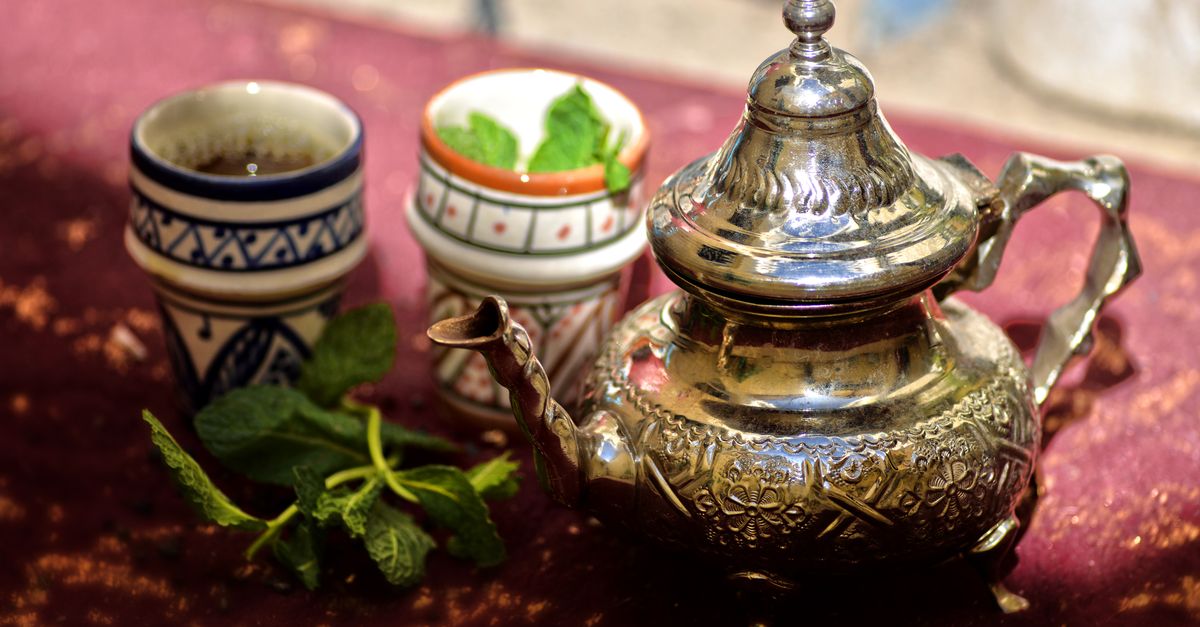
The Origins: How Green Tea Arrived in Morocco
Despite green tea's deeply ingrained place in Moroccan identity, the tea plant (Camellia sinensis) is not native to North Africa. The widespread adoption of tea in Morocco is a relatively modern historical development resulting from global trade shifts during the 18th and 19th centuries.
Historical records indicate that green tea was first introduced to Moroccan sultanate courts as early as the 17th century, arriving as diplomatic gifts from European monarchs. However, tea remained an exclusive luxury reserved for royal courts and wealthy merchants until the mid-19th century. During the Crimean War in the 1850s, British merchants found their traditional Baltic shipping routes blocked. Seeking alternative global markets to liquidate massive stocks of Chinese gunpowder green tea, British traders diverted their merchant ships to Moroccan ports such as Tangier, Mogador (now Essaouira), and Casablanca.
Moroccans eagerly embraced this imported green tea, adapting it to local tastes by combining the bitter brewed leaves with wild Mediterranean spearmint (Mentha spicata) and heavy portions of sugar. What began as a commercial workaround quickly transformed into Morocco's national beverage, evolving within decades into a sacred home ritual and an indispensable gesture of welcome across every corner of the kingdom.

Anatomy of the Brew: Ingredients, Botanicals, and Seasonal Additions
Authentic Moroccan mint tea relies on a delicate balance of imported base tea, fresh aromatic herbs, and sweetness. While recipes vary between households, regions, and seasons, the foundational anatomy remains remarkably consistent across the country.
- Gunpowder Green Tea (Zhay): Tightly rolled pellets of Chinese green tea (specifically Zhu Cha) serve as the foundation. The tightly rolled structure preserves freshness during maritime transit and yields a robust, smoky bitterness capable of cutting through rich sugar and aromatic mint.
- Fresh Spearmint (Na'na'): Moroccans exclusively use fresh spearmint rather than peppermint. Spearmint offers a sweet, mellow, and uplifting floral profile without the sharp menthol sting associated with western peppermint infusions.
- Sugar (Soukar): Traditionally, Moroccan tea uses large chunks broken off a solid sugar cone (pain de sucre or qal'b soukar). The sugar is boiled directly inside the teapot alongside the tea leaves and herbs, creating a light syrup consistency that highlights the botanical notes.
- Seasonal Herbs and Botanical Additions: Depending on the season and health benefits desired, local tea masters supplement or swap fresh mint with other regional botanicals:
- Sheeba (Wormwood / Absinthe leaves): Heavily used during cold winter months for its intense, warming bitterness and medicinal qualities against winter ailments.
- Louiza (Lemon Verbena): A gentle, citrus-scented herb often added to evening brews to relax digestion and induce restful sleep.
- L'Msa'a (Pelargonium / Rose Geranium): Infused during damp spring months to introduce a delicate floral top note to the tea.
- Zhar (Orange Blossom Water): Splashed into teapots during festive occasions, weddings, or family celebrations for a subtle perfume aroma.
The High Pour: Art, Aeration, and Foam Mechanics
Observing a skilled Moroccan host pour tea is a memorable visual spectacle. Holding an ornate brass or silver teapot high above a tray of small glasses, the host sends a long, steady stream of amber liquid plunging into the center of each glass without spilling a single drop. This high pour is far more than dramatic flair; it serves vital practical culinary functions.
First, dropping the liquid from a height introduces oxygen into the brew. This quick aeration softens the astringent tannins inherent to gunpowder green tea, producing a smoother, softer flavor profile on the palate. Second, the descent cools the boiling liquid down to a comfortable drinking temperature by the time it lands in the glass. Third, the impact creates a dense layer of delicate white foam at the top of the glass, known locally as the reghwa or taj (crown).
In Moroccan culinary culture, a glass served without a crown of foam is considered incomplete or carelessly prepared. The foam serves a functional purpose by trapping volatile botanical aromas inside the glass while preventing dust and insects from settling onto the hot liquid during outdoor gatherings.
The Social Code: Hospitality, Etiquette, and Business Custom
In Morocco, tea is intrinsically bound to social etiquette and peaceful negotiation. Whether stepping into a rug showroom in the Fes medina, checking into a quiet desert camp, or visiting a private home, being offered a glass of tea is the universal sign that you are accepted as a welcome guest.
1. Accepting Hospitality
Refusing an offered glass of tea without a genuine health reason can be interpreted as a rejection of friendship or host goodwill. If offered tea by a host or merchant, it is best practice to accept at least one glass graciously. Joining a tea circle signals that you are willing to slow down, share conversation, and engage on a human level beyond a simple commercial interaction.
2. How to Hold the Glass
Traditional Moroccan tea glasses (kassan) do not have handles, and the liquid inside is served piping hot. To avoid burning your fingers, hold the glass using the thick glass rim at the very top with your thumb and index finger, while supporting the very bottom base with your middle finger or thumb underneath.
3. The Three Rounds Custom
A famous Berber proverb captures the progression of tea service over an extended visit: "The first glass is as gentle as life, the second is as strong as love, the third is as bitter as death." When visiting family homes, it is customary for the host to steep the same leaves and mint up to three consecutive times, adding extra sugar or water with each round. Each pour yields a distinct strength and flavor profile, marking the passing of time and conversation.

Moroccan Tea Snacks: Traditional Pairings and Flavors
While mint tea is frequently enjoyed on its own throughout the day, formal tea services and afternoon family gatherings accompany the pot with rich, delicate local pastries and baked goods. Understanding these traditional dishes enriches any cultural visit.
1. Kaab el Ghazal (Gazelle Horns)
These crescent-shaped pastries consist of a thin, translucent flour dough filled with a sweet paste of ground almonds, butter, cinnamon, and orange blossom water. The subtle almond flavor balances the sweet mint tea. Visitors can find high-quality gazelle horns in artisanal bakeries across historic medinas nationwide.
2. Ghriba (Moroccan Crinkle Cookies)
Ghriba are round, cracked cookies made from semolina, flour, sesame seeds, toasted almonds, or coconut. They feature a buttery, crumbly texture that absorbs tea quickly when dipped briefly into the glass. They are widely served in local neighborhood bakeries and home tea tables.
3. Msemen and Meloui
Msemen are square, laminated Moroccan pancakes cooked on a hot flat griddle until crispy on the outside and flaky on the inside. Served warm during morning tea or late afternoon tea breaks (casse-croûte), they are accompanied by pure butter, mountain honey, or soft goat cheese.
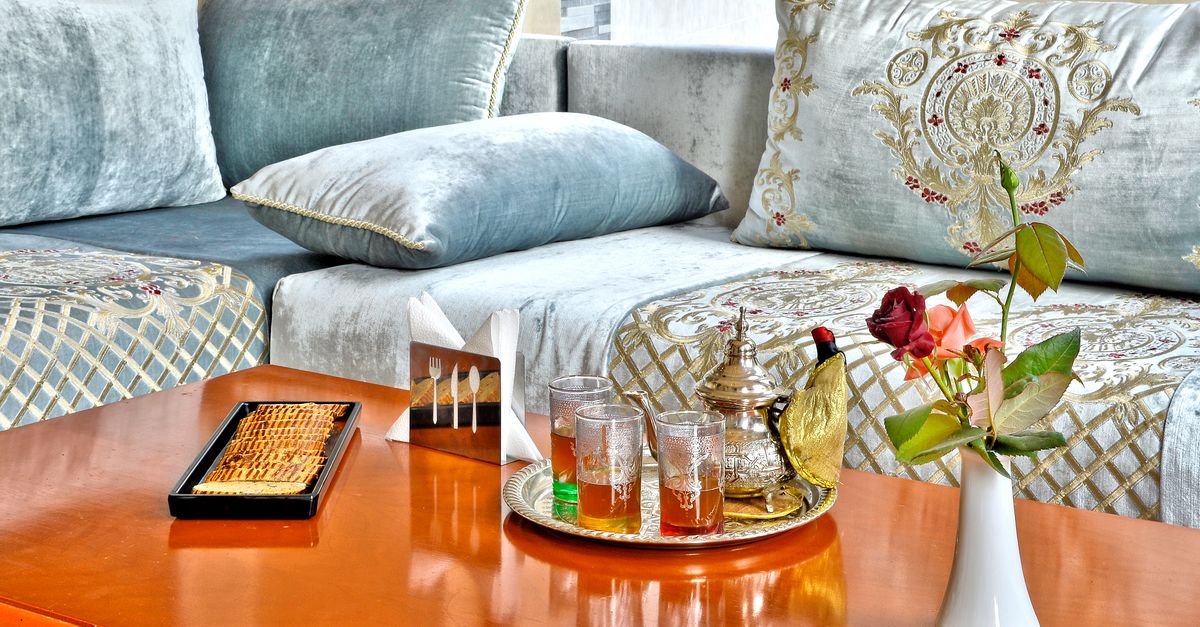
Practical Tips for Travelers Seeking Authentic Tea Experiences
- Controlling Sugar Levels: Traditional Moroccan tea is deliberately very sweet. If you prefer low sugar or no sugar due to dietary preferences, politely ask your server or host for atay bila soukar (tea without sugar) or soukar qlil (a little sugar) before the brewing begins.
- Tasting Seasonal Varieties: Do not hesitate to ask local herbalists or café staff what herbs are currently in season. Trying winter tea brewed with fresh sheeba offers a completely different taste profile compared to summer mint tea.
- Buying authentic teaware: Travelers wishing to take the ritual home can explore historic metalworking souks (such as the copper market in Marrakech or Fes) for hand-engraved silver-plated brass teapots, brass trays (siniya), and colorful hand-painted tea glasses. Check that metal teapots are food-safe and lined with tin before brewing hot liquids at home.
