
The Weekly Moroccan Hammam: Cultural Traditions, Etiquette, and Neighborhood Life
In almost every neighborhood across Morocco, from the ancient alleys of Fes to the coastal quarters of Essaouira, the distinctive brick chimney of the public hammam rises above the rooftops. Long before private indoor plumbing became widespread, the public bathhouse served as the foundation of urban sanitation. Today, despite modern apartments featuring individual bathrooms, the weekly visit to the local hammam remains a cornerstone of Moroccan social life, family bonding, and spiritual preparation.
For residents, the hammam is far more than a place to wash off the dust of the week. It is a shared communal sanctuary governed by unwritten social codes, deep-rooted hygiene traditions, and a rhythmic sequence of steaming, scrubbing, and resting. Understanding how the neighborhood hammam functions offers travelers an authentic glimpse into the fabric of everyday Moroccan society.

The Hammam's Role in Everyday Neighborhood Life
In traditional urban planning throughout Islamic North Africa, a complete neighborhood (or homa) required five core institutions: a mosque, a fountain, a koranic school, a communal wood-fired bakery (ferran), and a hammam. The bakery and the hammam frequently share a symbiotic connection. The heat from the furnace used to bake the neighborhood's daily bread is often routed through hypocaust flours underneath the hammam floor, maximizing fuel efficiency in cities where wood was historically a precious resource.
Beyond physical infrastructure, the public bathhouse acts as an egalitarian space. Inside its warm tiled rooms, social and economic distinctions melt away. Everyone sits on the same heated stone floor, carrying similar plastic buckets and cotton towels. It is a place where neighbors catch up on community news, grandmothers bond with grandchildren, and long-standing social ties are renewed on a weekly basis.
Gender Scheduling and Time Sharing
Unlike luxury resort spas where couples can book side-by-side treatments, authentic neighborhood hammams operate under strict gender segregation. Depending on the size of the facility, this is managed in one of two ways:
- Separate Facilities: Larger urban centers feature two distinct bathhouses under one roof, with separate entrances for men and women operating simultaneously.
- Time Rotation: In smaller towns or dense medina quarters with a single bathhouse, hours are divided throughout the day. Men typically use the hammam early in the morning before work (e.g., 6:00 AM to 9:00 AM) and late in the evening. Women utilize the space from late morning through the late afternoon, transforming it into a vibrant social center.

The Weekly Preparation: What Moroccans Pack
Attending the hammam is not a spontaneous event; it is a planned weekly ritual, most commonly performed on Thursday afternoon or Friday morning in preparation for the sacred Friday mid-day prayer (Jumu'ah). Families prepare their bathing baskets with great care, selecting natural products that have been used for generations.
Essential Toiletries and Tools
A standard Moroccan hammam kit (sebla) contains specific items that turn a simple wash into a deep skin exfoliation:
- Savon Noir (Saboun Beldi): A rich, gel-like dark soap made from saponified olive oil and crushed black olives. It is applied all over the body to soften the skin prior to scrubbing.
- Kessa Glove: A coarse, textured exfoliating glove made from synthetic or silk crepe cloth. The kessa is crucial for lifting dead skin away after the soap has softened the outer skin layers.
- Rhassoul (Ghassoul) Clay: A natural mineral clay mined exclusively in the Atlas Mountains. Mixed with warm water and rosewater, it is applied as a purifying hair and body mask toward the end of the session.
- L'Mhakka: A weighted terracotta foot stone, often carved with geometric patterns, used to scrub soles and smooth heels.
- Plastic Buckets and Water Scoops: Bathers bring two or three sturdy plastic buckets (sotel) and a plastic pitcher or cup to scoop and mix warm and cold water.
- Sitting Mat or Cushion: A small plastic or foam mat to sit on, ensuring comfort and personal hygiene while seated on the warm stone floor.
Architecture and Anatomy of a Public Hammam
To understand the rhythm of the ritual, one must understand the spatial layout of the building. Traditional hammams inherit their layout from Roman thermal baths, utilizing a progressive temperature gradient that allows the body to acclimate slowly.

1. The Reception and Dressing Room (El-Guelsa)
Upon entering, visitors encounter the moulay hammam (manager or cashier) seated at the desk. Here, you pay the modest entrance fee and rent any basic items if needed. The main changing area features raised wooden platforms lined with benches, mats, and peg racks for clothing. A designated attendant (kessas for men, tiyaba for women) guards personal belongings wrapped in large cotton towels.
2. The Cool Room (El-Barid)
This is the first transition zone after changing out of street clothes. It serves as an entryway where bathers can acclimatize before entering higher temperatures, store spare buckets of water, or rest briefly after finishing the hot cycle.
3. The Warm Room (El-Wastani)
The central chamber is moderately heated and serves as the main wash zone. Many bathers spend the majority of their time here washing hair, applying hair oils, shaving, or engaging in general rinsing after completing the heavy exfoliation in the hottest room.
4. The Hot Room (Skhoun)
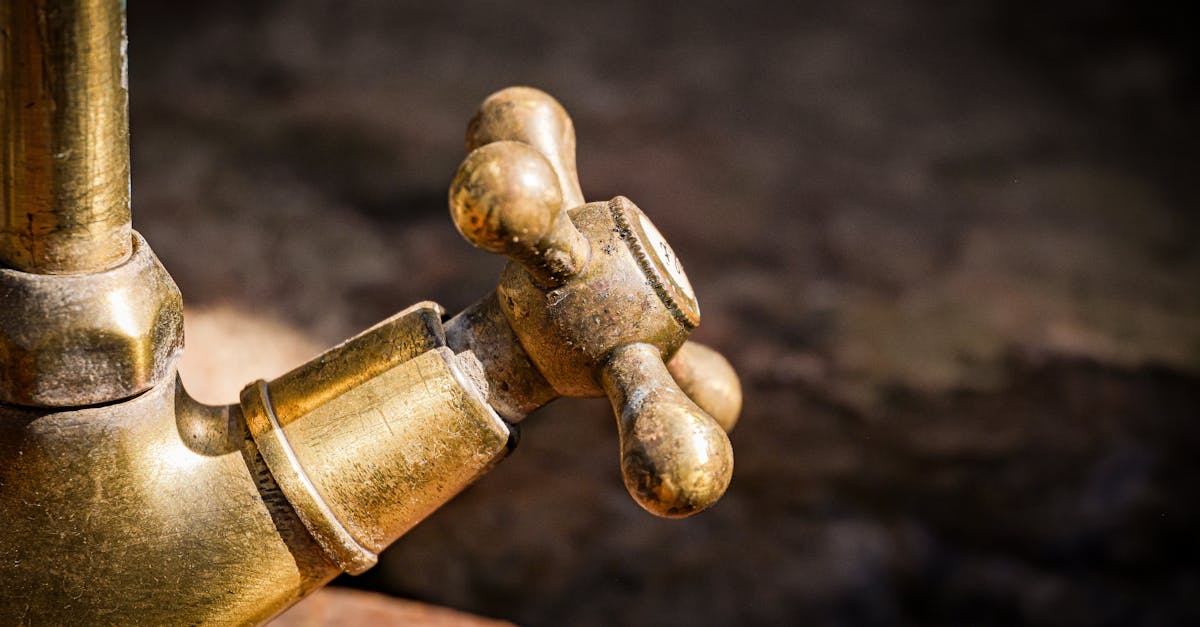
The innermost chamber is filled with intense steam heated by underfloor channels. Large taps along the walls dispense scalding hot water and cool water into stone troughs or large basins. This room is designed to open skin pores and induce deep sweating, preparing the body for exfoliation.
Step-by-Step Breakdown of the Bathing Ritual
The traditional hammam process follows a methodical progression refined over centuries. Bathers generally spend between 1.5 to 2.5 hours completing the entire routine.
Step 1: Acclimatization and Water Preparation
After undressing in the outer room (retaining undergarments), bathers carry their buckets, mat, and toiletries into the hot room. The first step is to fill one bucket with hot water and another with cold water, using a plastic cup to mix them to a comfortable, high temperature. Water is poured liberally over the head and body to warm the skin.
Step 2: Soap Application and Steaming
Next, a thick layer of savon noir is rubbed across the entire body. Bathers then sit quietly on their plastic mat on the warm floor for 10 to 15 minutes. The steam and olive soap work together to soften dead skin cells without scrubbing.
Step 3: Rinsing and The Kessa Exfoliation
The soap is thoroughly rinsed off with warm water—this step is critical, as any remaining soap prevents the friction needed for proper exfoliation. Wearing the dampened kessa glove, the bather uses long, firm strokes across arms, legs, back, and torso. Dead skin rolls away in dark, spaghetti-like strands (locally referred to as l'wakh). In family visits, family members routinely scrub each other's backs, or hire the resident attendant (tiyaba) for a small fee to perform an energetic, professional scrub.
Step 4: Hair Care and Clay Treatments
Once exfoliation is complete, bathers move back to the warm room. Hair is washed using traditional soaps or modern shampoos. A scented mixture of rhassoul clay and rosewater is smoothed onto the hair and body, left to draw out impurities for several minutes, and thoroughly rinsed away.
Step 5: Cooling Down and Socializing
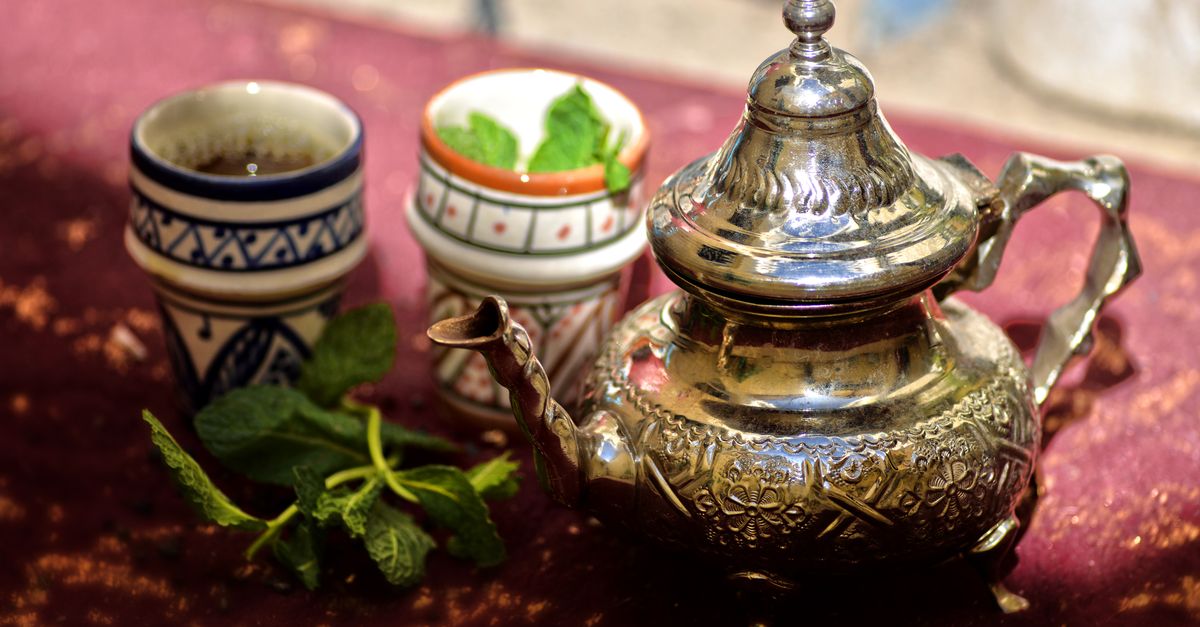
After a final rinse with cooler water to close the pores, bathers wrap themselves in large cotton towels (foutas) and return to the dressing room. Rest is an essential component of the process; people sit wrapped up, sip cool water or fresh mint tea, chat with neighbors, and let their body temperature settle before stepping back outside into the street breezes.
Public Hammam Etiquette for Visitors
Visiting a neighborhood hammam as an international traveler is a rewarding cultural entry point, provided local norms are respected. Unlike modern tourist spas, traditional residential bathhouses require visitors to navigate unfamiliar social rules.
- Nudity is Taboo: Complete public nudity is culturally inappropriate in Morocco. Men wear dark shorts or underwear; women wear underwear bottoms or swim bottoms. Stripping entirely naked is considered offensive.
- Mind Your Water Usage: Water is a valued resource. While bathers use generous amounts, splashing excessively or leaving taps running into drains without catching water in buckets is seen as wasteful and disrespectful.
- Keep Noise Reasonable: Although animated conversation is normal in the women's section, loud screaming, disruptive music, or overly rowdy behavior breaks the peaceful atmosphere.
- Respect Personal Space: Rooms can become crowded, particularly on winter weekends. Be mindful of where your wash water drains so it does not flow across another person's sitting mat.
- Photography is Strictly Forbidden: Cameras and mobile phones must remain safely stowed in bags within the changing area. Taking photos inside any part of the bathhouse is a severe breach of privacy.
Neighborhood Hammam vs. Tourist Spa: What to Expect
Travelers visiting Morocco often encounter two very different types of bathhouses: the neighborhood public hammam (hammam beldi) and the private tourist spa (hammam touristique). Choosing between them depends on comfort levels and travel goals.
Neighborhood Public Hammam (Hammam Beldi)
- Cost: Standard entry typically ranges between 10 to 15 Moroccan Dirhams (MAD). Hiring an attendant for a scrub costs an additional 20 to 30 MAD, plus a small tip.
- Atmosphere: Authentic, loud, steamy, busy, and deeply communal.
- Amenities: Minimal. You must bring all your own supplies, towels, buckets, and soap (though basic items can usually be bought at small kiosks right outside the door).
- Best For: Cultural immersion, budget travel, and seeing daily neighborhood life firsthand.
Private Tourist Spa / Boutique Hammam
- Cost: Prices generally range from 250 to 800+ MAD depending on the city, facility luxury level, and included massages or botanical treatments.
- Atmosphere: Quiet, candlelit, highly private, with ambient music and private steam chambers.
- Amenities: High-end robes, plush towels, organic argan oils, and private treatment rooms are provided automatically. Private couples' slots are frequently available.
- Best For: Relaxation, comfort, privacy, and travelers hesitant about navigating language barriers or public communal spaces.
Practical Advice for Your First Visit
If you decide to experience an authentic neighborhood bathhouse, keep these practical considerations in mind:
- Language Realities: Staff and bathers in neighborhood hammams usually speak Darija (Moroccan Arabic) or Berber languages, with varying degrees of French. English is rare. Simple gestures and polite nodding go a long way.
- What to Buy Beforehand: Visit a small corner shop (hanout) or market stall in the medina prior to going. Ask for saboun beldi and a kessa. The seller will pack a generous dollop of black soap in a small plastic bag for a few dirhams.
- Valuables: Leave expensive jewelry, passports, and large sums of cash in your hotel safe. Bring only enough cash for entry, attendant fees, tips, and a post-bath drink.
- Hydration: The combination of steam and hot floor stones causes rapid dehydration. Carry a large bottle of drinking water in your wash basket.
A Lasting Cultural Legacy
In a world increasingly shaped by rapid digital connections and isolated living spaces, the Moroccan hammam stands as an enduring testament to physical community. The weekly routine binds generations together through shared touch, simple natural care, and unhurried conversation. For the traveler willing to step past the steamy threshold, stepping into a neighborhood hammam offers far more than clean skin—it provides an unforgettable connection to the living heartbeat of Moroccan culture.
