
The Weekly Hammam Tradition in Morocco: Family Routines, Preparation and Everyday Community Life
Stepping into a Moroccan bathhouse—whether a neighborhood public bath (hammam populaire) or a restored private bathhouse—is one of the most enduring and practical living traditions in North Africa. For generations across cities like Marrakech, Fes, Meknes, and Rabat, the weekly visit to the steam bath has anchored neighborhood rhythm. Far more than a simple hygiene routine, it serves as a central hub for social connection, body care, and family bonding ahead of the Friday congregational gathering.
For travelers, navigating a public steam bath offers an irreplaceable look into daily Moroccan life. Understanding what to pack, how to use traditional products like sabon beldi (black soap), and how to respect unwritten social boundaries transforms an unfamiliar ritual into a deeply refreshing experience. This guide provides a detailed look at the cultural architecture of the hammam, practical preparation, step-by-step etiquette, and the traditional foods enjoyed afterward.

Understanding the Moroccan Hammam: Neighborhood Public vs. Private Spa Experiences
Before packing your gear, it helps to understand how bathhouses operate across urban quarters and rural towns in Morocco. While luxury riad spas exist primarily for leisure, neighborhood bathhouses remain functional civic infrastructure.
- Neighborhood Public Hammams (Hammam Populaire): Located in nearly every residential quarter, these basic bathhouses historically shared a heat source with the neighborhood communal bread oven (ferran). Wood shavings, sawdust, or biomass burn in a furnace (farnatatchi) below street level, simultaneously heating the water boilers for the bath and the stone deck of the bakery next door. Residents bring their own plastic buckets, towels, soaps, and scrubbing mitts. Entry fees are low—typically 10 to 15 Moroccan Dirhams (MAD)—with optional scrubbing services provided by a bath attendant (a tayaba in female sections or a kiyaf in male sections) for an additional 30 to 50 MAD.
- Private Tourist Hammams & Boutique Spas: Located inside restored riads, luxury hotels, or modern commercial wellness centers, these establishments cater to travelers seeking quiet, private relaxation. They supply plush robes, towels, single-use underwear, high-end argan oil cosmetics, and private scrub rooms. Entry and treatment costs range from 250 MAD to over 800 MAD, requiring advance reservations but minimal personal preparation.
If you choose to visit an authentic public bathhouse, bringing your own gear and products is essential, as public facilities do not supply soap, towels, or grooming utensils.

What to Pack for a Public Hammam (Hammam Populaire)
Preparation for a neighborhood bathhouse requires bringing items in a durable, waterproof tote that can handle wet, slick floors. Local bathers typically carry a well-organized set of bath gear.
1. Essential Skincare and Body Products
- Sabon Beldi (Moroccan Black Soap): A soft, dark paste made from saponified olive oil and crushed olives, often scented with eucalyptus. It coats the skin to soften dead cells prior to manual exfoliation. You can buy it fresh by weight at neighborhood corner grocers (hanout) or spice shops in the souks for under 10 MAD.
- Kessa Glove: A coarse, textured scrubbing mitt designed specifically to roll off dead skin cells after black soap has softened the upper skin layer. Select a firm mitt from a local shop rather than a soft washcloth, which will not exfoliate effectively.
- Ghassoul (Rhassoul Clay): Mineral-rich volcanic clay quarried in Morocco’s Atlas region. Mixed with warm water or rosewater into a smooth paste, it is applied near the end of the session as a deep-cleansing hair or body mask.
- Haircare and Personal Soap: Public bathhouses do not supply liquid shampoos or body washes. Bring compact travel bottles of your preferred hair products.
- Pure Argan Oil: Applied after drying off, cold-pressed argan oil replenishes moisture lost during deep manual exfoliation.
2. Practical Hardware and Gear
- Plastic Buckets (Satel): Public bathhouses provide hot and cold wall taps, but no overhead showerheads. Bathers use plastic buckets to mix water to their preferred temperature, using a plastic pitcher (tas) to pour water over themselves. Most bathhouses rent buckets at the door for a small deposit (around 5 MAD), though regulars bring their own.
- Plastic Mat or Low Stool: Bathers sit directly on heated tile or stone floors. Bringing a small plastic mat or low stool keeps you comfortable and elevated above soapy runoff water.
- Waterproof Sandals (Tlaqes): Sturdy rubber slides or flip-flops are non-negotiable for hygiene and slip prevention on wet stone floors. Never walk barefoot inside steam rooms.
3. Clothing and Towel Essentials
- Two Towels: Bring one lightweight towel (or a traditional woven cotton fouta) to sit on inside the steam room, and a dry towel stored in the changing area for drying off afterward.
- Undergarments or Swimwear Bottoms: Total nudity is taboo in public bathhouses. Men wear dark swim trunks or boxer briefs; women wear bikini bottoms, dark underwear, or swim briefs.
- Loose Post-Session Clothing: Choose soft, breathable garments like a loose cotton djellaba or linen trousers. Body temperature remains elevated for 20 to 30 minutes post-session, making fitted clothes uncomfortable.
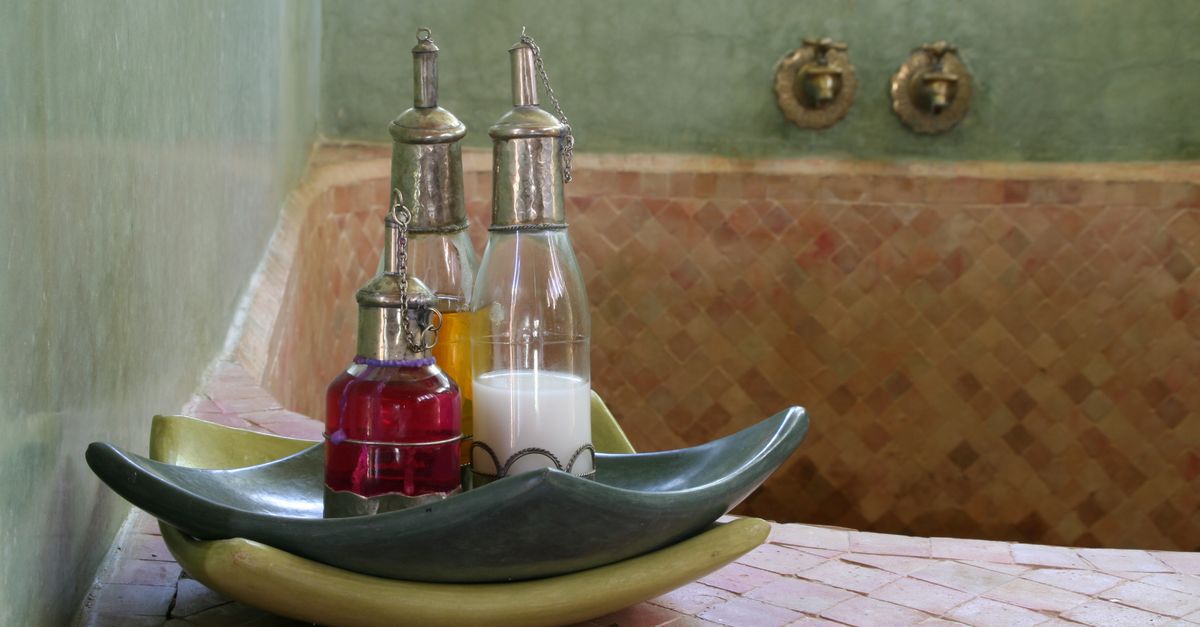
Essential Skincare Products: Sabon Beldi, Ghassoul, and Argan Oil
Understanding how traditional Moroccan bath products interact with steam heat ensures a thorough, gentle treatment without skin irritation.
Sabon Beldi (Moroccan Black Soap)
Unlike standard soap, sabon beldi is not formulated for immediate lathering or quick rinsing. It functions as an enzymatic skin softener. Bathers spend 10 to 15 minutes in the warm or hot steam chamber until the skin is thoroughly damp. A thin layer of the black paste is then applied over the entire body, excluding the eyes and face. After sitting for 5 to 10 minutes, the soap must be completely rinsed off with warm water before using the exfoliating glove.
The Kessa Exfoliating Mitt
The kessa glove works effectively only when skin is warm, damp, and completely free of residual soapy film. Using firm, consistent strokes along limbs and across the torso, the mitt catches softened outer skin layer cells, rolling them off in visible dark strands. If you hire an attendant (tayaba or kiyaf), expect an energetic scrub. Pinkish skin after a scrub is normal, but ask the attendant to lighten pressure if you feel sharp discomfort.
Ghassoul (Rhassoul Mineral Clay)
Following exfoliation, ghassoul clay paste is applied to the hair and body. Left on for 5 to 10 minutes, the natural clay absorbs excess oil and impurities without stripping natural hair moisture. It rinses away easily with clean warm water, leaving skin smoothed and balanced.
Step-by-Step Guide: How a Traditional Hammam Session Works
A standard visit follows a defined sequence across three interconnected rooms of rising temperature:
- The Changing Room (El-Guelssa): Pay your entry fee at the front desk, rent buckets if necessary, and undress down to undergarments. Valuables can be handed to the manager at the entry desk for safekeeping or stored in bench lockers.
- The Cool/Warm Chamber (El-Barid / El-Wastani): The transitional space used to acclimatize to the heat, wet hair, and complete final rinsing steps before leaving.
- The Hot Chamber (El-Skhoun): The innermost steam-filled room with hot water wall taps. Here, bathers sit on plastic mats, fill buckets, open pores in the steam, and apply black soap.
- The Scrubbing Phase: Move back toward the warm chamber to rinse away black soap completely. If an attendant was hired, lie flat on your mat as they scrub your arms, legs, back, and torso with the kessa glove.
- Final Rinsing and Cool Down: Finish by washing hair and rinsing thoroughly with clean buckets of warm water. Return to the main changing room, dry off, wrap up in a towel, and rest on the benches while rehydrating.
Cultural Context & Everyday Etiquette: Navigating the Communal Space
Adhering to local social customs inside public bathhouses maintains a respectful environment for everyone:
- Strict Gender Separation: Public bathhouses feature either twin separate sections for men and women or operating hours divided by gender. In single-facility neighborhood sites, women typically use the bathhouse from mid-morning until late afternoon, while men use it in early morning and evening hours. Always check the posted schedule at the entrance.
- Modesty Expectations: Nudity is strictly avoided. Undergarments or swimwear bottoms must remain on at all times, including during scrubbing and rinsing.
- Mindful Water Use: Because water is continuously heated by wood-fired furnaces, deliberate waste is avoided. Do not leave wall taps running into floor drains. Mix warm and cool water within your bucket using your pitcher.
- Communal Space Courtesy: Keep your personal bathing setup compact. Avoid splashing soapy water onto adjacent bathers, and rinse your floor area with clean water before packing your gear to depart.
- Tipping Practices: In neighborhood public bathhouses, tip your attendant (tayaba or kiyaf) between 30 and 50 MAD in cash directly after the scrub. In private boutique spas where service charges are bundled, leaving a 10% to 15% cash tip for the therapist is standard practice.
Post-Hammam Food Traditions: Mint Tea, Tangia, and Local Comfort Foods
The hammam experience extends beyond the bathhouse walls into distinct culinary routines. Deep manual exfoliation and prolonged heat leave bathers relaxed and hungry, giving rise to long-standing post-hammam eating habits.
1. Sweet Moroccan Mint Tea (Atay)
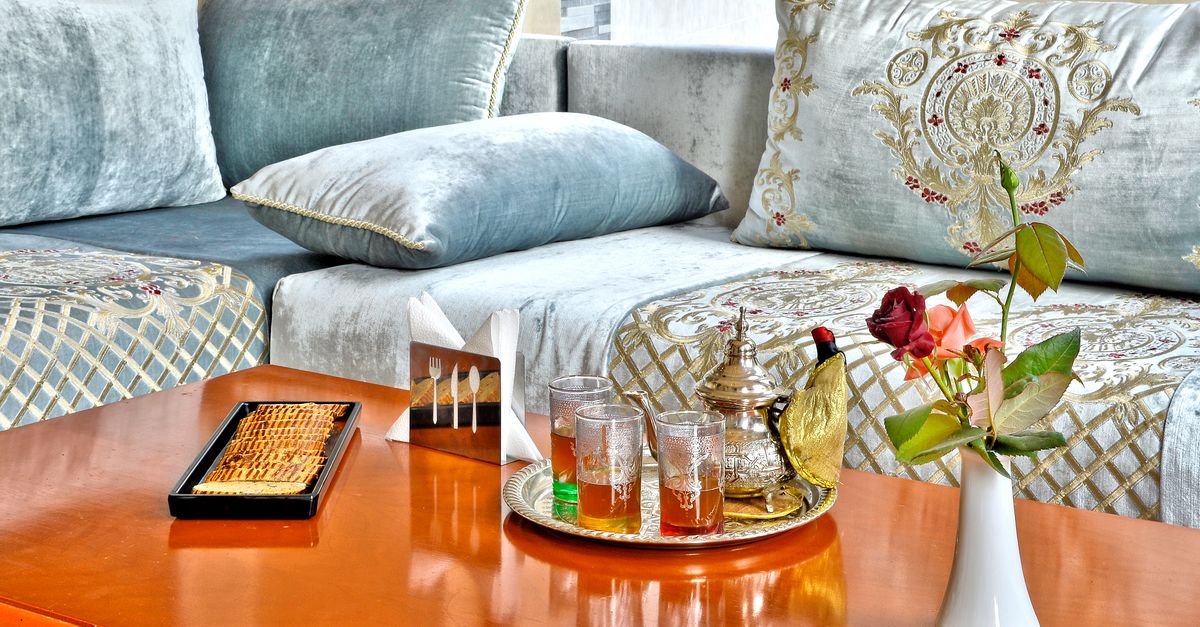
Immediately after dressing in the changing room or stepping out into the neighborhood square, bathers consume hot, freshly brewed mint tea. Made with gunpowder green tea, fresh spearmint leaves, and generous sugar, it restores hydration, elevates blood sugar, and cools the body naturally through gentle perspiration.
2. Tangia Marrakchia (Marrakech Clay-Pot Beef Stew)
In Marrakech, the hammam is tied directly to one of Morocco's most famous regional dishes: Tangia Marrakchia. Traditionally prepared by working men, chunks of beef or lamb shank are seasoned with garlic, cumin, saffron, preserved lemon, and smen (aged clarified butter), packed tightly into an amphora-shaped clay jar (tangia), and sealed with parchment paper.
The clay jar is carried directly to the bathhouse furnace keeper (farnatatchi). The keeper buries the jar deep into the hot, ash-rich embers below the bathhouse boilers, where it slow-cooks for four to six hours until the meat becomes tender. After their afternoon bath session, men retrieve their piping-hot clay jars and share the rich stew straight from the pot with fresh crusty Moroccan round bread (khobz).
- Ingredients: Beef or lamb shank, garlic, cumin, saffron, preserved lemon, smen (salted aged butter), olive oil, and water.
- Regional Link: Deeply tied to the historic quarter of Marrakech and its neighborhood furnace network.
- Occasion: Eaten after a long hammam visit, during weekend male gatherings, or on social holidays.
- Where to Find It: Travelers can order authentic Tangia at specialized neighborhood eateries near Marrakech's central souks and around Rahba Kedima, or ask a local butcher to prepare a jar to bring to a neighborhood furnace keeper.
3. Harira and Fresh Juices
In coastal cities like Essaouira or northern cities like Fes, post-hammam meals lean toward lightweight, restorative foods. Bathers frequently visit small neighborhood snack stalls for bowls of warm harira (a rich tomato, lentil, and chickpea soup) or fresh orange juice blended with almond paste to restore energy smoothly.
Practical Travel Planning Tips
Keep these practical timing and health guidelines in mind for a smooth bathhouse visit:
- Best Time to Visit: Public bathhouses are quietest during mid-morning hours on weekdays. Avoid Thursday afternoons and Friday mornings, when locals crowd the bathhouse to prepare for Friday prayers.
- Hydration Priority: High humidity and warm temperatures inside steam rooms can induce lightheadedness. Drink water before entering, and carry a full water bottle in your bag.
- Sun Exposure Warnings: Avoid scheduling a deep scrub immediately after heavy sun exposure or right before spending hours in direct sunlight. Manual exfoliation removes outer surface skin cells, making skin temporarily more susceptible to UV burns.
- Shaving Precautions: Do not shave legs or face on the morning of a bath session. Applying black soap and scrubbing with a coarse mitt over freshly shaved skin causes burning sensations.
Final Takeaway for Travelers
Visiting a Moroccan bathhouse offers direct connection to historic wellness traditions and everyday neighborhood life. For effortless relaxation with private amenities, book a session at a boutique riad spa. To experience an authentic cultural routine alongside local residents, pack a durable tote with sabon beldi, a coarse kessa glove, rubber slides, and a pair of spare trunks, and visit your local quarter's neighborhood bathhouse for a refreshing cleanse.
