
Where to Stay in Tetouan: Traditional Riads, Modern Hotels, and Northern Morocco Bases
Choosing where to stay in Tetouan depends heavily on the type of travel experience you want. Unlike Morocco’s heavily commercialized hubs, Tetouan offers a rare blend of authentic Hispano-Moorish heritage, coastal resort relaxation, and strategic access to Northern Morocco. Whether you choose an intimate riad inside the UNESCO-listed medina or a coastal hotel in Tamuda Bay, matching your accommodation to your itinerary is essential.
This guide breaks down the best neighborhoods, accommodation types, and practical logistics to help you select the ideal base in Tetouan. From traditional guest houses inside historic walls to modern hotels in the Spanish Ensanche district, you will find options suited to culture seekers, road trippers, and beach enthusiasts alike.

Understanding Tetouan’s Neighborhoods & Layout
Tetouan is geographically distinct due to its positioning between the Martil River valley and the dramatic backdrop of the Rif Mountains. The town’s urban fabric clearly separates into three main accommodation zones: the historic UNESCO Medina, the Spanish colonial Ensanche, and the surrounding coastal strip.
- The UNESCO Medina: Best for culture lovers, photography enthusiasts, and short-term visitors seeking historic atmosphere. Cars cannot enter, meaning all navigation is on foot.
- The Ensanche (New Town): Built during the Spanish protectorate era, featuring 20th-century colonial architecture, wide avenues, car accessibility, and classic urban hotels. Ideal for travelers with luggage or rental cars.
- The Coastal Zone (Martil, Cabo Negro, Tamuda Bay): Located 10 to 20 minutes east of the city center. Best for beachgoers, families, and high-end resort travelers seeking pool facilities and sea views.
Staying in the UNESCO Medina: Traditional Riads and Dars
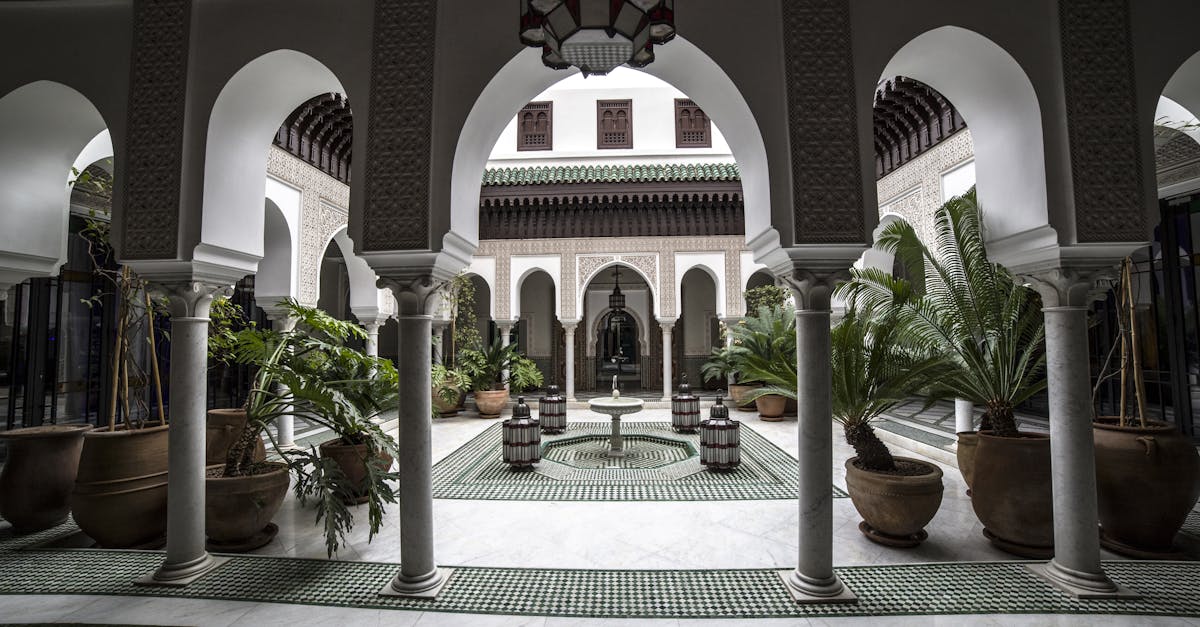
The Medina of Tetouan is widely considered one of the most complete and untouched historical centers in Morocco. Because of its strong historical ties to Andalusia, the traditional homes here feature distinct architectural details compared to those in Fes or Marrakech, such as elaborate wrought-iron balconies and fine carved plaster work.
Staying in a riad or dar inside the old city provides an atmospheric look into local daily life. However, travelers should prepare for unique logistics: street layout can be puzzling, and luggage must be carried or pushed in handcarts from the nearest medina gate (such as Bab El Okla or Bab M'Kam).
Who Should Stay in the Medina?
Medina accommodation is best suited for light-packers, culture-focused travelers, and visitors spending 1 to 3 days exploring Tetouan's artisan quarters. It is less suitable for travelers with mobility limitations or those who require private parking directly outside their hotel door.
Practical Tips for Medina Stays
- Arrive before sunset if possible, as finding hidden guest houses in winding alleys is much easier during daylight hours.
- Arrange a meeting point with your riad host at one of the outer gates (e.g., Bab Remouz or Bab El Okla) so they can guide you to the property.
- Confirm whether the property has an on-site restaurant or provides dinner recommendations, as medina dining options can close early in non-peak seasons.
The Ensanche: Spanish Colonial Charm & Modern Convenience
Directly adjacent to the western edge of the medina lies the Ensanche, constructed during the early 20th century under Spanish administration. Characterized by white curved facades, wrought-iron balconies, and lively pedestrian plazas like Place Moulay El Mehdi, this district offers a completely different architectural personality.
Hotels in the Ensanche are typically mid-range, mid-century or modernized city hotels. They provide traditional hotel features including elevators, street-level taxi access, on-site reception desks, and private or nearby street parking.
Who Should Choose the Ensanche?
The Ensanche is ideal for business travelers, road trippers with vehicles, travelers with heavy luggage, or anyone who prefers modern city amenities while remaining within a five-minute walk of the historic medina entrance.
Coastal Stays: Martil, Cabo Negro, and Tamuda Bay
If your trip combines urban sightseeing with Mediterranean downtime, staying along the coast just east of Tetouan is a compelling option. The coastline is divided into distinct beach communities:
- Martil: A bustling university and beach town located roughly 10 kilometers from central Tetouan. Offers budget apartments, casual beachfront hotels, and a long seaside promenade.
- Cabo Negro: Famous for its hill-sloping white villas, golf course, and wide sandy beach. Popular for family apartment rentals and mid-scale coastal hotels.
- Tamuda Bay: A luxury coastal corridor stretching toward M'diq, home to upscale international beach resorts, private marinas, spa complexes, and high-end dining.
Seasonal Reality of Coastal Accommodation
Coastal accommodation dynamics change drastically with the calendar. During peak summer (July and August), the coast becomes exceptionally busy with domestic and international holidaymakers, leading to higher rates and busy roads. During autumn, winter, and spring, these coastal areas are serene, tranquil, and significantly lower in price, though some seasonal seaside businesses may operate on reduced hours.

Tetouan as a Base for Exploring Northern Morocco
Tetouan is strategically situated as a central travel hub in Northern Morocco. Choosing Tetouan as a multi-day base allows you to take efficient day trips across the region without packing and moving hotels every night.
Key Day Trips from Tetouan
- Chefchaouen: Located approximately 90 minutes south by road or grand taxi through scenic Rif Mountain passes. Visiting from Tetouan allows you to explore the famous blue city during mid-day hours and return to a quieter base at night.
- Tangier: Located about 1 hour west via modern highway. Easy to visit for a day trip to see the Kasbah Museum, Cape Spartel, and the Caves of Hercules.
- Ceuta (Sebta): Bordering the Spanish enclave, located roughly 30 minutes north. Note that crossing the land border requires appropriate passport credentials and can involve variable wait times.
- Oued Laou & Akchour: Natural highlights including the waterfalls and natural bridge at Akchour, ideal for outdoor hiking excursions easily managed within a single day.

Local Gastronomy & Regional Culinary Highlights
Understanding Northern Moroccan cuisine adds depth to your stay in Tetouan. The regional food culture reflects a combination of Andalusian influences, Mediterranean coastal access, and traditional Rif mountain recipes.
Pastilla Tetouania
Unlike the sugar-and-cinnamon dusted pigeon pastilla popular in Fes, Pastilla Tetouania is distinctly savory and sweet with an emphasis on salted chicken cooked with onions, eggs, saffron, and roasted almonds wrapped in thin warqa pastry dough. It is a signature celebratory dish traditionally served at weddings, family reunions, and formal dinners. Visitors can typically sample this delicacy by pre-ordering dinner at traditional medina riads or dining at specialized heritage restaurants in the historic center.
Sayadieh and Mediterranean Seafood
Given Tetouan's proximity to the Mediterranean ports of M'diq and Martil, fresh seafood plays a vital role in daily meals. Local fried fish platters (frytada) and grilled sardines are paired with chermoula—a marinade of cilantro, garlic, cumin, paprika, lemon juice, and olive oil. Visitors routinely find the freshest catches at informal portside eateries in M'diq or at local seafood grills adjacent to the Medina's fish market, making for an essential lunchtime stop.

Practical Travel Planning & Local Context
Planning your stay effectively requires understanding local transportation, seasonal climate patterns, and practical daily customs in Northern Morocco.
Getting There and Around
Tetouan is served by Sania Ramel Airport (TET) for select domestic and regional flights. Alternatively, many travelers fly into Tangier Ibn Battouta Airport (TNG) or arrive via the High-Speed Al Boraq train into Tangier Ville station, taking a direct grand taxi or highway drive (approx. 1 hour) to Tetouan.
Within Tetouan, yellow petit taxis operate on meters for short urban trips within city limits. For travel between Tetouan and coastal towns like Martil or M'diq, shared or private grand taxis depart frequently from designated stations near the city center.
