
Deep within the UNESCO-listed medina of Tetouan, where whitewashed walls meet intricate Andalusian tilework, the soft whistle of rising steam carries the distinct aroma of eucalyptus and warm olive soap. Here in Northern Morocco, the neighborhood bathhouse—or hammam shaabi—is far more than a place to wash. It is a vital living institution, serving as a sanctuary for personal hygiene, a social hub for multi-generational families, and an anchor of daily community life. While modern home plumbing has transformed daily routines across the kingdom, the traditional public bath remains an indispensable weekly ritual for millions of Moroccans.
For travelers exploring Tetouan and the surrounding Rif region, stepping into a local neighborhood hammam offers an unmatched window into local culture. However, navigating a public bathhouse requires an understanding of unwritten social rules, gender dynamics, and physical customs. This guide explores the deep cultural roots of northern Moroccan bathhouses, details essential etiquette, highlights iconic local post-hammam culinary traditions, and provides practical advice for respectful participation.
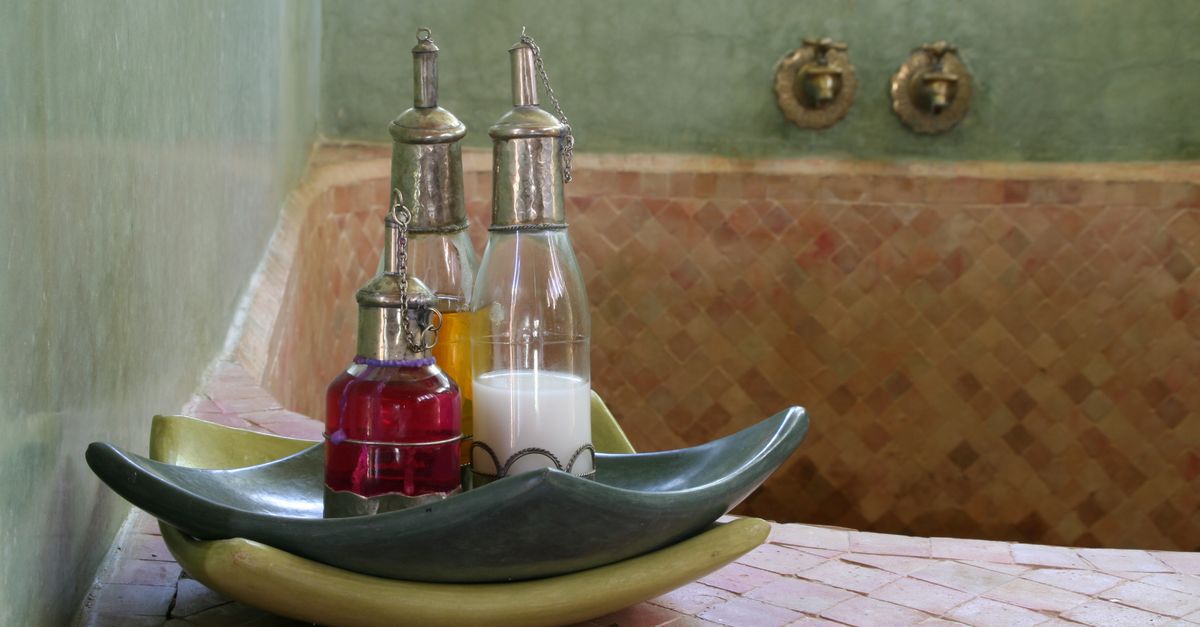
The Living Culture of the Northern Moroccan Hammam
In traditional Moroccan urban planning, every neighborhood in a medina was historically designed around five core institutions: the mosque, the Quranic school (msid), the communal bakery (ferran), the water fountain (seqaya), and the public bathhouse (hammam). In Tetouan, a city defined by its historic influx of Andalusian refugees from Southern Spain between the 15th and 17th centuries, the bathhouse architecture reflects a distinct Spanish-Moorish heritage. Vaulted brick ceilings pierced with star-shaped skylights allow daylight to filter through thick, warm mist, creating a tranquil lighting effect that has remained unchanged for centuries.
Unlike high-end tourist spas designed for solitary relaxation, the neighborhood hammam is inherently social. In northern Moroccan culture, Friday morning or afternoon bath sessions before communal prayers hold special spiritual and physical significance. The hammam serves as a equalizing community space where neighbors exchange news, mothers catch up on local events, and elders share stories with youth. Heat and steam clear the skin, but the shared experience reinforces social bonds across generations.
Family Traditions, Rites of Passage, and Social Life
The public hammam plays a central role in family life across Northern Morocco, marking key life milestones from childhood to old age.
- Weddings and Pre-Bridal Rituals: One of the most celebrated traditions is the Hammam el-Aaroussa (the bride's bath). Days before her wedding, a bride is accompanied to the local bathhouse by her female relatives, friends, and musicians. The room is scented with orange blossom water, Henna, and herbal blends. Through singing, drumming, and ceremonial washing, the bride is cleansed for her new chapter in life.
- Postnatal Care and Motherhood: Following childbirth, local women traditionally return to the bathhouse after forty days for a restorative steam and gentle massage, surrounded by female family members who assist with newborn care.
- Multi-Generational Bonding: Young children attend the hammam with their mothers, aunts, and grandmothers, learning the values of personal cleanliness, body acceptance, and mutual care from an early age. Older relatives are scrubbed and cared for by younger family members, displaying deep filial piety in action.

Step-by-Step Hammam Etiquette for Visitors in Tetouan
Visiting a traditional neighborhood hammam as a foreigner is welcoming when approached with respect and humility. Understanding the step-by-step process helps smooth your visit:
1. Arrival and Preparation
At the entrance counter, bathers pay a entry fee (typically 12 to 20 Moroccan Dirhams, around $1.20 to $2 USD). If you wish to hire a professional bath attendant—known locally as a tayaba for women or a tiyab for men—you request one at the desk or inside, paying an additional 50 to 100 MAD directly for their labor. You step into the changing hall (goulsa), where you strip down, store your belongings, and slip on rubber slides.
2. Understanding Modesty and Attire
Nudity rules are strictly enforced across Morocco and vary by gender:
- Women: Local women retain dark underwear bottoms or swimsuit bottoms throughout the visit. Going topless inside the women's section is common practice during scrubbing, but keeping lower coverage intact is non-negotiable.
- Men: Men wear dark swim trunks or boxer briefs. Full public nudity in male hammams is culturally inappropriate.
3. Navigating the Steam Chambers
A classic hammam consists of three main interconnected tiled chambers, each progressive in heat:
- El-Barid (The Cool Room): Used for undressing final layers, resting, and final rinsing.
- El-Wastani (The Warm Room): The primary transitional washing and hair-care area.
- Ed-Dakhlani (The Hot Room): The steam room where you sit on heated floors to open pores and sweat.
Fill your plastic buckets at the communal hot and cold taps using a plastic scoop, balancing water temperature carefully. Apply savon noir (thick black olive oil soap) over your skin and sit in the hot room for 10 to 15 minutes.
4. The Scrub (Gommage) and Care
Rinse the black soap off completely with warm water. Using a coarse synthetic glove (kessa), you or your attendant firmly scrub your limbs and torso in long strokes, removing dead skin cells. Finish by washing with regular soap or applying a mask of rhassoul—mineral clay from the Atlas Mountains mixed with rosewater—to restore skin balance.

Post-Hammam Nourishment: Food Rituals of Northern Morocco
Extensive steam and deep scrubbing trigger a strong physical appetite. In Tetouan and the northern Jebala region, bathhouse culture is linked to specific post-bath culinary habits.
Bissara (Northern Fava Bean Soup)
The definitive post-hammam meal in Northern Morocco is Bissara (also spelled Bayssar). This rich, velvety soup is made from dried split fava beans (or split peas) slow-cooked with garlic, cumin, salt, and generous amounts of cold-pressed northern olive oil.
- Regional Link: Northern Morocco, especially Tetouan and Chefchaouen, is famous for robust, peppery olive oil and classic dried-bean soups that replenish salts lost during steam baths.
- Occasion & Time: Enjoyed immediately after leaving the hammam, particularly during cooler morning or late-afternoon sessions.
- Where to Find It: Small local soup stalls (bissaria) located within a few steps of medina bathhouse entrances. Served in clay bowls with fresh flatbread and a pinch of chili powder.
Mint Tea and Chamoy Pastries
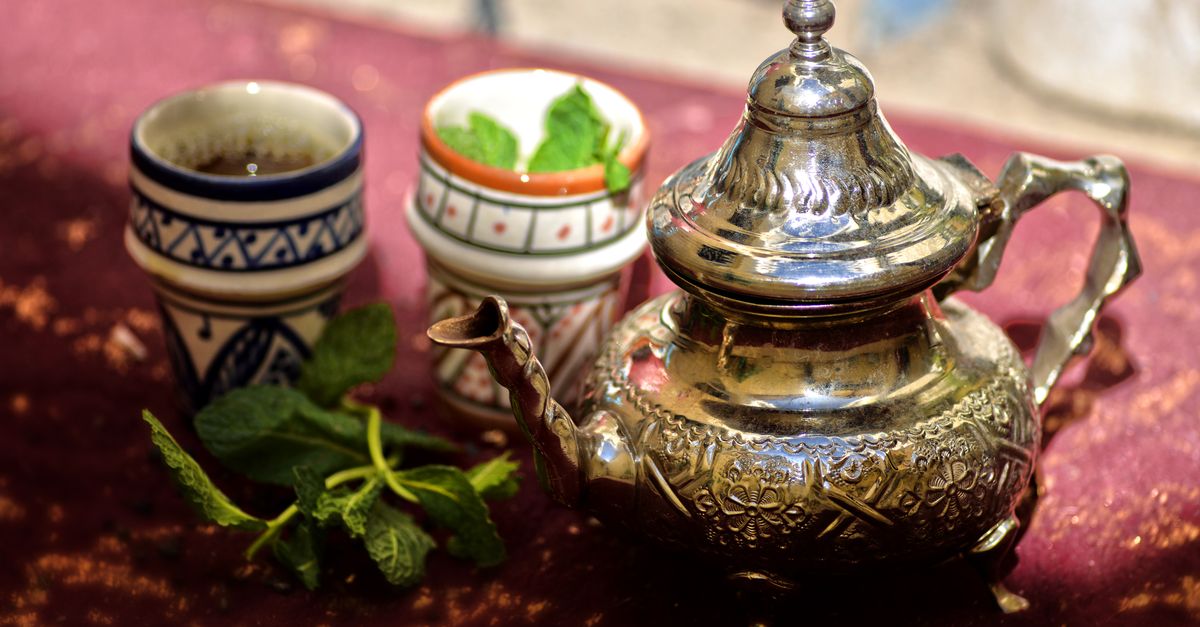
Alternatively, bathers often stop at a medina cafe for scalding hot Atay (Moroccan mint tea featuring northern mountain spearmint, or naana) paired with traditional Tetouani almond pastries like Kaab el Ghazal (Gazelle Horns) to restore blood sugar levels.
Notable Hammams and Historic Bathhouses in Tetouan
Tetouan offers both neighborhood bathhouses for authentic public immersion and private riad alternatives for visitors seeking quiet relaxation.
Hammam El-Bacha (Medina of Tetouan)
- Why Visit: One of the oldest functioning neighborhood bathhouses inside the historic medina, known for vaulted Andalusian brick arches and historic stone floors.
- Practical Details: Located near Bab El-Oqla in the medina. Operating hours are strictly split by gender (typically men in early morning/late evening; women from midday to late afternoon). Entry costs roughly 15 MAD; attendant service is 50–80 MAD extra. Bring all your own bath supplies. Ideal for travelers wanting an authentic neighborhood experience.
- Caution: Floors can be slick; wear rubber slides at all times. Language inside is predominantly Darija (Moroccan Arabic) or Spanish.
Hammam Al-Ghazal
- Why Visit: A well-kept local medina hammam catering to residents with strong local standards of cleanliness and heat.
- Practical Details: Accessible via the Suq El-Hout neighborhood. Separate facilities or alternating hours for men and women. Standard local fees apply (15–20 MAD entry).
Private Riad Hammams (e.g., Riad El Reducto or Riad Blanco)
- Why Visit: Boutique riads in Tetouan offer restored private hammam chambers for travelers who prefer private bookings, gentler exfoliation, and personal attendant care in English or French.
- Practical Details: Requires advance booking. Packages range from 250 to 500 MAD ($25–$50 USD) including towels, natural products, black soap, and tea service. Suitable for couples or families traveling together.

Essential Packing List for a Traditional Public Hammam
Public neighborhood hammams provide only steam and water; bathers bring their own items. You can buy all items at any medina market stall before your visit:
- Savon Noir: Traditional black olive oil soap paste.
- Kessa Glove: Coarse synthetic scrubbing mitt.
- Plastic Bucket and Scoop: Lightweight bucket for mixing warm water.
- Plastic Mat: Small mat to sit on heated floors comfortably.
- Toiletry Kit: Shampoo, hair conditioner, and body soap.
- Footwear: Non-slip rubber slides or flip-flops.
- Change of Underwear: Clean, dry underwear to put on post-bath.
- Small Cash Notes: Moroccan Dirham coins/notes for entry fees and tipping.
Respectful Travel: Final Tips for Visitors
To enjoy a neighborhood hammam in Northern Morocco while showing full cultural respect, remember to move mindfully. Keep voice levels low, avoid splashing rinse water near other bathers, and respect physical personal space in busy steam rooms. Always ask permission before entering local establishments if you are unsure of operating hours or gender schedules. Stepping out of a warm Tetouan bathhouse into the cool afternoon breeze of the medina—followed by a warm bowl of olive-oil-drizzled bissara—is one of the most rewarding cultural traditions Northern Morocco has to offer.
