
In the UNESCO World Heritage Medina of Tetouan and across the northern urban centers of Morocco—from Tangier to Chefchaouen—daily neighborhood life revolves around five structural pillars: the neighborhood mosque, the Quranic school, the public bakery (farran), the communal water fountain (sebbil), and the public bathhouse (hammam). For generations, the hammam in Northern Morocco has maintained a distinct social character. Influenced heavily by Andalusian architectural heritage, regional coastal climate, and deep family networks, the northern bathhouse is far more than a facility for physical cleansing; it is a thermal sanctuary, a weekly family ritual, and a vital community forum.
For visitors traveling through Northern Morocco, stepping into an authentic neighborhood hammam offers a clear window into local life. However, navigating these historic bathhouses requires an understanding of unwritten social protocols, modesty standards, gender schedules, and regional botanical practices. This detailed guide covers the cultural traditions, etiquette, step-by-step rituals, and local culinary connections that define the northern hammam experience.

Understanding the Northern Moroccan Hammam Tradition
The traditional bathhouses of Northern Morocco represent an evolution of Roman thermal engineering and Islamic purification practices (ghusl and wudu), enriched by Hispano-Moorish craft traditions. In Tetouan’s historic quarters—such as El Ensanche or the ancient medina neighborhoods of Al-Ayun and Trankat—neighborhood hammams can be identified externally by massive stone masonry, modest wooden entry doors, and tall chimney stacks releasing wood smoke from the subterranean heating chamber (farnatchi).
Unlike high-end boutique wellness centers tailored exclusively for solitude, a neighborhood hammam in Northern Morocco is fundamentally communal. It serves as a space where multi-generational family traditions flourish. Grandmothers, mothers, and young children gather together for several hours every week, while men maintain their own early morning or late evening bath routines. The interior atmosphere is active yet relaxed, filled with soft echoing voices, the steady rhythmic splashing of warm water, and the natural scent of olive-oil soaps and aromatic mountain herbs.
Public Neighborhood Bathhouses vs. Private Wellness Spas
Travelers exploring Tetouan, Tangier, or nearby towns will encounter two primary styles of bathhouse experiences. Selecting the right option depends on your personal comfort level, expectations regarding privacy, and budget.
- Public Neighborhood Hammams (Hammams Shaabi): Located deep within residential districts. Entry fees are minimal (typically ranging between 10 and 20 Moroccan Dirhams). Bathers bring their own personal soaps, towels, buckets, and scrub gloves. You handle your own washing or pay an independent bath attendant on-site (a tayaba for women, or a kiyas for men) for a modest direct gratuity (usually 30–50 Dirhams). Modesty rules are strictly observed, and rooms are completely segregated by sex.
- Private Hotel & Riad Spas: Located inside restored boutique properties or independent urban day spas. Prices generally range from 250 to 600 Dirhams or higher depending on treatments. These facilities provide fully private heated rooms, provided robes and towels, personal spa therapists, and infused essential oils. They cater primarily to visitors seeking quiet relaxation, couples wishing to share a bath session, or individuals who prefer private changing rooms.
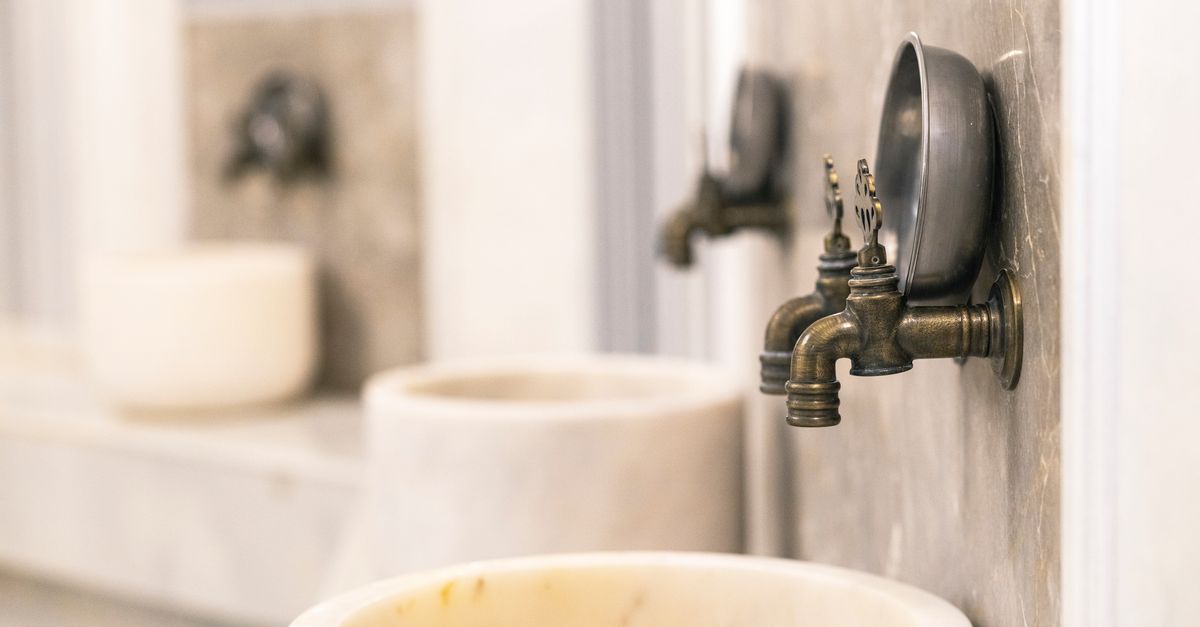
The Anatomy of a Northern Bathhouse: Room by Room
Historic public bathhouses in Tetouan are constructed using thick brick and local stone walls covered in smooth, water-resistant plaster (tadelakt) or decorative ceramic tiles (zellige). Heat is generated underground by burning wood or sawdust in the furnace, channeling warmth through subterranean channels beneath stone floor slabs.
The interior architecture follows a distinct linear temperature progression across three main vaulted chambers:
1. El-Barrani (The Outer Cool Room and Changing Lounge)
This spacious entry chamber serves as a buffer between the medina streets and the thermal bath. It features raised wooden benches, carpeted lounging platforms, and storage cubbies. Bathers pay their entry fee at the reception desk, store their street clothes, secure their belongings, wrap themselves in a lightweight towel, and prepare their bath supplies before entering the warm zones.
2. El-Wastani (The Warm Intermediate Chamber)
The central room maintains a moderate ambient temperature. It acts as an acclimatization zone where bathers gradually adjust to the rising heat. Families often set up their buckets in this room to rest, condition their hair, or take breaks between deep steam sessions in the inner room.
3. El-Skhoun (The Hot Steam Chamber)
The innermost room features high humidity, warm stone floors, and hot water taps feeding into large masonry basins. The intense heat opens pores and softens dead skin cells. This is the main chamber where body lathering, resting on warm stone surfaces, and deep exfoliation scrubs take place.

Essential Rituals and Northern Botanical Ingredients
The traditional northern bath relies on natural botanicals rooted in Moroccan herbal medicine. Understanding these ingredients enhances the overall bathhouse experience:
- Savon Noir (Sabon Beldi): A rich, dark paste made from saponified olive oil and crushed black olives. Rich in Vitamin E, it is smoothed over warm skin in the hot chamber and left for 5 to 10 minutes to break down surface oils and dead skin layers.
- Kessa Glove: A coarse, woven crepe scrubbing mitt. Used immediately after rinsing away the savon noir, firm downward strokes with the kessa shed dead skin cells in visible rolls, leaving skin deep-cleansed and exceptionally smooth.
- Ghassoul (Rassoul Clay): Mineral-rich natural clay extracted from the Atlas mountain range. In Northern Morocco, women often blend raw ghassoul with warm water, orange blossom water, or boiled chamomile to form a smooth paste used as a hair mask and skin conditioner.
- Chamomile and Pennyroyal (Fliou): Northern Moroccan variations frequently incorporate regional herbs. Infusions of pennyroyal mint (fliou) or dried chamomile flowers are added to hot water buckets to soothe aching joints and open respiratory passages in the steam room.
- Rosewater and Orange Blossom Water: Pure steam-distilled hydrosols used as a final cooling splash over the face and neck to calm skin and leave a subtle natural fragrance.
Schedule and Gender Segregation Guidelines
Traditional neighborhood hammams maintain strict gender division to ensure complete privacy for all community members. Hammams manage this through one of two operational structures:
Dual-Facility Hammams: Larger establishments feature two completely separate, parallel bath structures—one dedicated to men and the other to women—operating simultaneously throughout the day.
Single-Facility Hammams (Time-Shared): Smaller neighborhood bathhouses operate a single set of rooms with strictly designated time blocks. In most northern medinas, women use the bathhouse from late morning through late afternoon (typically 10:00 AM to 5:00 PM), while men access the facility during early morning hours (5:00 AM to 9:00 AM) and late evening hours (7:00 PM to 11:00 PM). Schedules are posted near the entrance, but confirming hours with local hosts or shopkeepers in advance is good practice.

Step-by-Step Guide to Visiting a Neighborhood Hammam
Attending a public bathhouse in Northern Morocco is simple when following this traditional sequence of steps:
Step 1: Arrival and Entry Payment
Enter the main reception area, pay the basic entry fee (10–20 Dirhams) to the desk attendant (guelass), and request a scrub attendant (tayaba or kiyas) if you do not plan to perform the scrub yourself. Tip your attendant directly at the end of the session.
Step 2: Changing and Preparing Water
Undress in the changing lounge down to your designated bath undergarments. Place your street clothes in a assigned cubby or bundle them neatly in your bath bag. Pick up two plastic buckets, move into the warm room, and fill them at the tap basins by balancing hot and cold water to your preferred temperature.
Step 3: The Black Soap Application
Move into the hot steam chamber (El-Skhoun). Lay down a small plastic mat or sit directly on the warm stone floor. Scoop warm water from your bucket to wet your entire body thoroughly. Apply a generous layer of dark savon noir from head to toe. Sit quietly for 5 to 10 minutes, allowing the steam and soap to break down skin impurities.
Step 4: Rinsing and Exfoliation (The Scrub)
Rinse away every trace of black soap using warm bucket water (the kessa glove works effectively only when skin is free of excess soap residue). Put on your dry kessa mitt, or lie face down on your mat for your hired bath attendant. Using long, firm strokes across the arms, legs, back, and torso, scrub away dead skin cells. Rinse thoroughly with clean warm water after the scrub is complete.
Step 5: Hair Care, Clay Masks, and Final Rinse
Apply shampoo, hair conditioner, or a natural ghassoul clay mask to your body and scalp. Take your time washing hair and relaxing in the moderate warmth of the middle room. Finish with a complete rinse of cool or tepid water using your plastic dipper cup to close skin pores.
Step 6: Cooling Down and Dressing
Return to the outer changing lounge (El-Barrani). Wrap yourself in a dry towel, sit comfortably on the changing benches, and allow your body temperature to stabilize before putting on warm clothing to avoid cold air drafts outside.
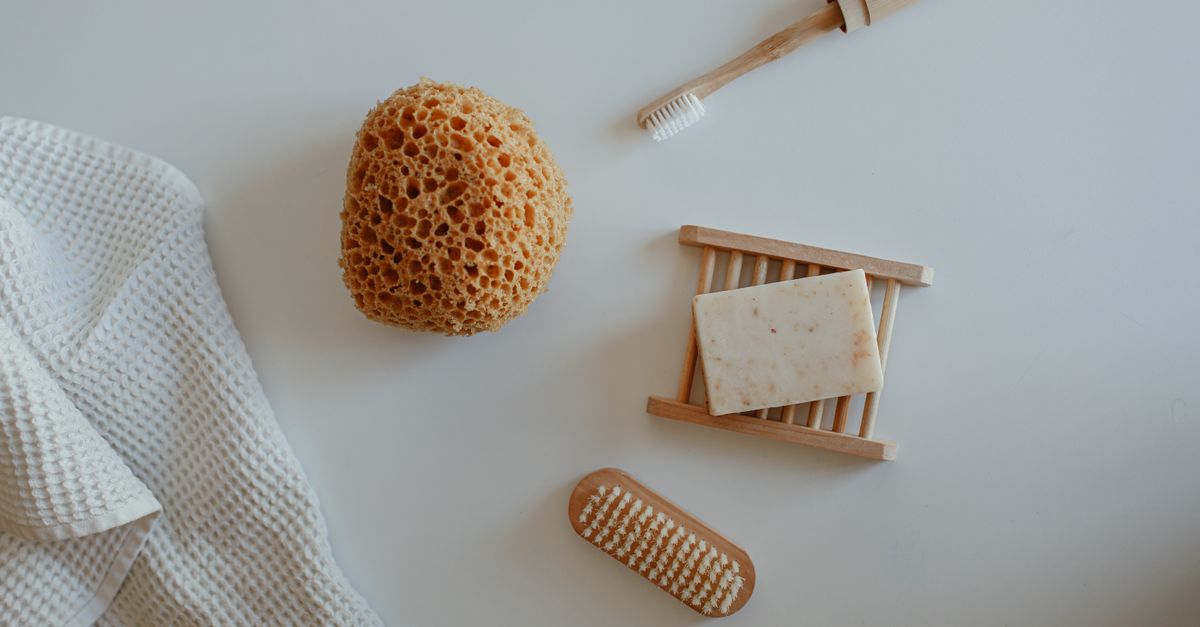
What to Pack: Essential Hammam Kit
Neighborhood public hammams provide steam, heated floors, and warm water taps, but bathers must supply their own washing gear. Prepare a small waterproof tote bag containing:
- Bathing Underwear: Absolute nudity is culturally unacceptable in public hammams. Men wear swim trunks or dark underwear shorts; women wear bikini bottoms or dark cotton underwear.
- Kessa Scrub Glove & Savon Noir: Readily available for a few dirhams at any spice vendor (attar) or neighborhood grocery shop in the medina.
- Plastic Buckets and Dipper Cup: Standard small plastic bath buckets (available at local houseware shops if not borrowed at the bathhouse desk).
- Plastic Sitting Mat or Flip-Flops: A small waterproof mat or clean rubber flip-flops to sit or walk comfortably on warm tiled floors.
- Towels: Pack two lightweight cotton towels (or traditional woven foutas)—one to use inside the bath environment and one clean, dry towel reserved for drying off in the changing area.
- Toiletries: Standard shampoo, body soap, hairbrush, and skin moisturizer.
Cultural Etiquette, Modesty, and Common Mistakes
To maintain a respectful environment for local bathers, keep these established social guidelines in mind:
- Conserve Water: Water is highly valued across Morocco. Avoid leaving water taps running freely into floor drains, and use only what you need in your buckets.
- Observe Modesty Standards: Keep undergarments securely worn at all times. Use your towel to cover your waist area when moving between changing rooms and bath chambers.
- Respect Personal Space: Give nearby bathers sufficient space to sit, wash, and scrub without splashing dirty soap water onto their mats.
- Strictly No Photography: Cameras, smartphones, and recording devices are strictly prohibited inside hammam facilities to protect personal privacy.
- Mind Slick Surfaces: Tiled floors inside the steam rooms are continuously wet and slick. Move slowly and wear rubber flip-flops for stability.
Regional Culinary Traditions: Post-Hammam Refuel
The traditional hammam experience does not end when you exit the warm bathhouse doors. In Northern Morocco, the intensive heat and physical exfoliation stimulate appetite, giving rise to a cherished local post-bath culinary routine.
Post-Hammam Local Foods
- Harcha with Cheese and Honey: A pan-seared semolina flatbread made with coarse semolina, butter, milk, and salt. Crisp on the outside and tender inside, it is served warm from neighborhood bakeries right after a bath session. In Tetouan, it is commonly sliced open and filled with mild fresh cheese (jben beldi) or drizzled with local flower honey.
- Msemmen: Square, layered flaky pancakes folded with olive oil and cooked on a hot iron griddle. Served hot alongside tea, providing immediate carbohydrates and healthy fats after thermal sweating.
- Jben Beldi: A soft, fresh goat or cow's milk cheese native to the Rif mountains and Northern Moroccan medinas. Lightly salted and traditionally wrapped in woven palmetto leaves, it is available from local dairy shops and medina market stalls throughout Tetouan.
- Fresh Mint and Pennyroyal Tea (Atay b'Fliou): Hot green tea steeped with fresh mint leaves and a sprig of wild pennyroyal (fliou). Served hot in small glass tumblers, this sweet herbal tea restores hydration, aids digestion, and warms the body as bathers step out into cooler evening air.
Historic Medina Sights in Tetouan to Pair with Your Visit
Combining a relaxation session at a neighborhood hammam with a historical walking tour of Tetouan provides a complete cultural afternoon. Key sites located within short walking distance across the medina include:
Medina of Tetouan (UNESCO World Heritage Site)
Why Visit: One of the most authentic and complete historic medinas in Morocco, reflecting strong 15th-century Andalusian refugee architectural influence with whitewashed facades and tiled gateways.
Best Time to Visit: Morning or late afternoon.
Duration: 2 to 3 hours.
Access & Logistics: Accessible on foot via primary medina gates such as Bab El Oqla or Bab El Rouah. Narrow pedestrian alleyways with smooth stone paving.
Family Suitability: Excellent for families; car-free environment.
Cautions: Stepped alleys can be slippery after rain; wear supportive footwear.
Nearby Options: Artisanal markets, leather tanneries, and neighborhood bakeries.
Ethnographic Museum of Tetouan (Musée Ethnographique)
Why Visit: Housed within the historic fortress walls near Bab El Oqla, showcasing traditional Northern Moroccan craftsmanship, bridal costumes, regional embroidery, musical instruments, and historic hammam utensils.
Best Time to Visit: Mid-day or early afternoon.
Duration: 45 minutes to 1 hour.
Access & Logistics: Located right inside Bab El Oqla; accessible by foot from central medina streets.
Family Suitability: Great educational stop for older children and adults.
Cautions: Check local opening days at the entrance door upon arrival in town.
Nearby Options: School of Traditional Arts and Crafts (Dar El Sanaa).
Practical Planning Details for Visitors
- Best Time of Day: Schedule public hammam visits in the late afternoon. Resting in the bathhouse after walking the steep alleys of the medina provides ideal relief for tired legs.
- Currency and Cash: Bring exact cash in small denominations (10, 20, and 50 Dirham notes). Neighborhood hammams do not accept credit cards or digital payments.
- Hydration Protocols: Drink plenty of mineral water before entering and after leaving the hot steam chambers to avoid mild heat exhaustion.
- Language Tip: Basic Arabic or French phrases are helpful. Knowing words like skhoun (hot), dafi (warm), and shukran (thank you) makes communicating with bath attendants and staff smooth and friendly.
Final Takeaway for Travelers
Participating in a traditional neighborhood hammam in Tetouan or across Northern Morocco is one of the most immersive ways to experience authentic local life. By coming equipped with your own bath supplies, maintaining local modesty etiquette, and enjoying warm semolina flatbread and mint tea afterward, you gain an unforgettable personal connection to North African culture.
