
Hammam Traditions in Tetouan and the Rif: Etiquette, Family Rituals, and Northern Moroccan Culture
In the UNESCO-listed Medina of Tetouan and across the verdant hillsides of Northern Morocco’s Rif region, the public bathhouse—the hammam—is far more than a site for routine personal hygiene. It is a cornerstone of neighborhood daily life, an enduring social sanctuary, and a physical embodiment of Hispano-Moorish architectural legacy. Where steep cobblestone alleys wind past whitewashed houses, the subtle plume of wood smoke rising from a low dome marks the heart of a local quarter.
For travelers exploring Northern cities such as Tetouan, Chefchaouen, and Tangier, participating in a public hammam offers an unvarnished window into Moroccan family traditions and communal wellness routines. While private bathrooms have become standard in modern urban residences, the public hammam remains irreplaceable. It is where multi-generational news is shared, major life milestones are celebrated, and centuries-old botanical knowledge continues to guide daily self-care.
The Social and Cultural Heart of Northern Moroccan Bathhouses
In classical Maghrebi urban design, every neighborhood (ḥawmah) in historic cities like Tetouan was laid out around five core institutions: the mosque, the Quranic school (msid), the communal fountain (sqifa), the neighborhood bakery (farrān), and the public bathhouse (hammam). This spatial arrangement ensured that clean water, warm bread, and public hygiene were accessible to every resident regardless of social status.
Operating either via single-building timed schedules for men and women or through dual dedicated wings in larger complexes, the northern hammam fulfills distinct cultural roles across generations:
- Women's Social Hub: In Northern Morocco, women’s hammam hours transform the bathhouse into a vibrant private retreat away from daily domestic routines. Grandmothers, mothers, and daughters gather with plastic basins, soap dishes, and woven mats, spending two to three hours scrubbing, catching up on neighborhood news, and tending to hair and skin treatments.
- Men's Evening Unwinding: For men, bathhouse visits are common early in the morning before work or in the late evening following night prayers. It functions as a calm, meditative space to soothe sore muscles, converse quietly with neighbors, and escape the winter chill common to humid coastal and mountain environments.
- Rituals of the Life Cycle: Hammam visits mark crucial life transitions in northern family life. The bridal bath (hammam al-aroussa) involves family and friends accompanying a bride with traditional songs, candles, and aromatic herbs before her wedding day. Similarly, postpartum recovery baths and pre-holiday cleanings ahead of Eid al-Fitr and Eid al-Adha remain deeply rooted customs.

Regional Botanicals and Materials Used in the Northern Hammam
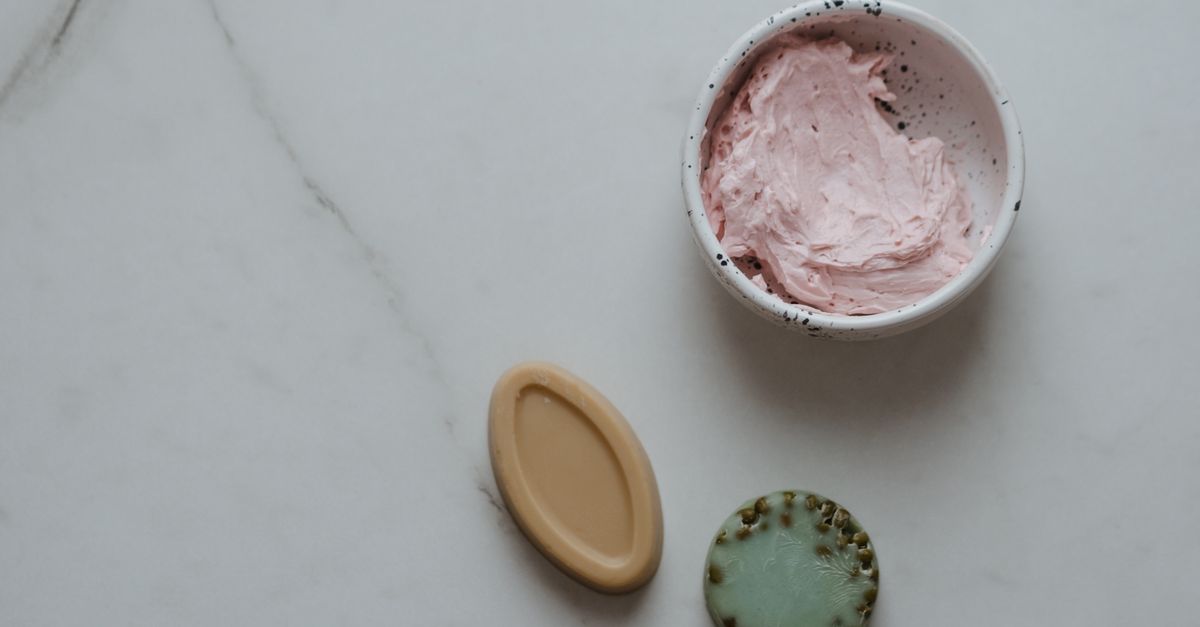
While basic items such as saboun beldi (traditional olive oil black soap) and the kessa (coarse exfoliating glove) are used throughout the country, Northern Morocco brings its own unique regional botany to the bathing ritual, heavily influenced by the flora of the Rif range and Andalusian herbal traditions preserved in Tetouan.
- Rifian Ghassoul Blends: Natural mineral clay (ghassoul or rhassoul) mined in North-Central Morocco is customized in northern households. Families mix the dry clay flakes with warm water, dried rose petals, orange blossom water, and wild mountain thyme (za'atar). Applied as a body mask or hair mask, it clarifies the skin and absorbs excess oils.
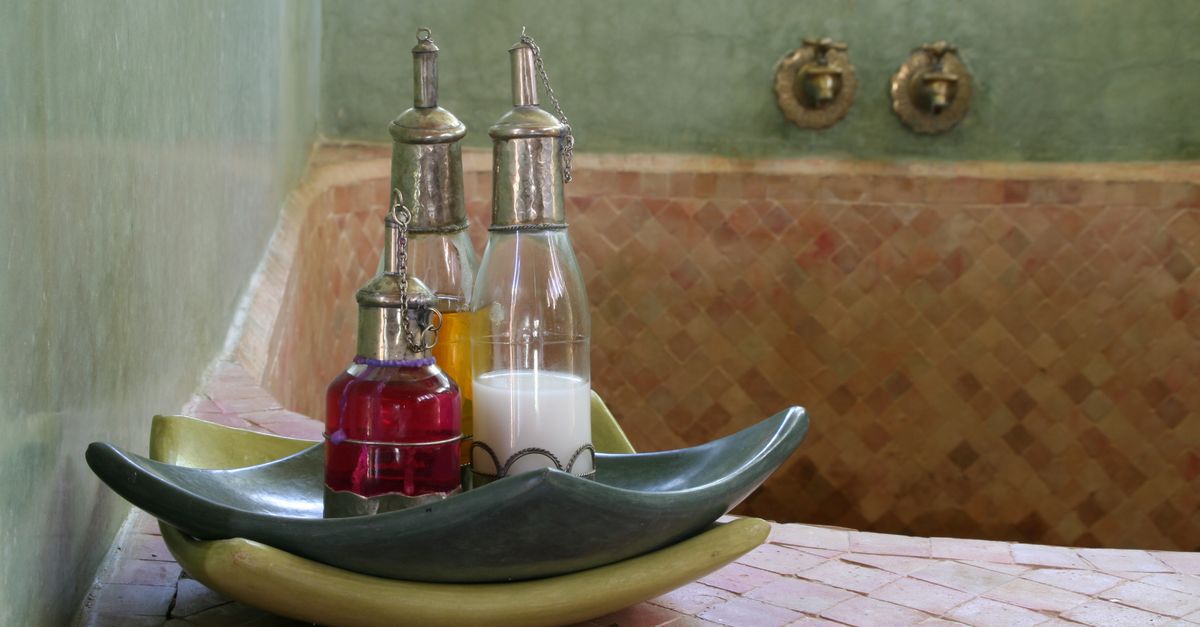
- Wild Myrtle (Raiḥān) and Rosemary Rinses: Herbal steepings made from mountain myrtle leaves and rosemary are frequently brought to the hammam in glass bottles. Used as a final scalp and hair rinse, these infusions leave a clean, pine-herbal fragrance and help soothe irritated scalps.
- Saponified Olive Paste: Because the Rif and the surroundings of Tetouan are rich in olive groves, local saboun beldi paste often retains a higher concentration of unrefined olive oil, giving it a rich dark-green hue and deeply moisturizing properties.
- Pennyroyal (Sheeba) Compresses: During cold mountain months, steam-infused compresses made with wild mints or pennyroyal are used across shoulders and lower backs to alleviate joint tightness caused by northern humidity.
Neighborhood Bathhouses vs. Private Spas in Tetouan and Northern Cities
Travelers in Tetouan, Tangier, and Chefchaouen will encounter two distinct categories of bathhouses. Understanding the differences helps in choosing an experience suited to personal comfort levels.
Authentic Neighborhood Hammams (Hammam Shaabi)
Located within the medina quarters, a traditional neighborhood hammam is built for practical hygiene and community connection. The layout typically features three subterranean or thick-walled masonry chambers with vaulted ceiling domes that retain heat:
- Al-Barid (The Cold/Cool Room): The entry and changing area equipped with wooden benches, raised platforms, and pegs for hanging clothes.
- Al-Wastani (The Warm Room): An intermediate room where bathers adjust to rising temperatures, apply black soap, and wash their hair.
- Al-Sakhn (The Hot Room): The innermost chamber, heated from below by underfloor channels connected to a central furnace (farnatshi). Bathers sit directly on heated stone floors or low platforms to open pores through heavy steam.
These facilities do not feature private treatment rooms or pre-packaged services. Bathers bring their own equipment, carry their own water in buckets filled from stone basins, and perform their own exfoliation or hire an independent bath attendant on-site.
Boutique Spas and Tourist Hammams
Found inside restored riads or dedicated commercial spa centers, boutique hammams cater to visitors looking for private rooms, dedicated individual attendants (a tayaba for female guests or a kiyas for male guests), ambient lighting, massage services, and provided towels. While comfortable and accessible for first-timers, they operate as private wellness clinics rather than civic social institutions.
Essential Hammam Etiquette: Step-by-Step for First-Time Visitors
Navigating a neighborhood public bath requires strictly respecting established local norms. Following basic etiquette ensures a seamless and welcoming visit.
What to Pack
Public bathhouses do not provide personal toiletries. Bring a sturdy tote or plastic basket containing:
- Saboun Beldi: Traditional black soap paste, sold in small tubs at market stalls across the medina.
- Kessa Mitt: A coarse exfoliating glove available in every local sundries shop.
- Ghassoul or Shampoo: For washing hair after exfoliation.
- Two Plastic Buckets and a Scoop: Many neighborhood bathhouses rent buckets for a nominal fee, but local bathers often bring their own.
- Plastic Sandals/Flip-Flops: Mandatory for hygienic purposes and to protect feet from hot stone floors.
- Two Towels and Clean Underwear: One towel for drying inside before changing, one for wrapping up afterward, plus a clean set of dry undergarments.
Modesty Norms
Strict modesty guidelines govern all traditional bathhouses in Morocco. Total nudity is considered highly offensive and culturally inappropriate in public hammams. Men always keep dark shorts or undergarments on at all times. Women keep undergarment bottoms or swimsuit bottoms on while bathing and changing.
Step-by-Step Bathing Ritual
- Entry and Entry Fee: Pay the small admission fee at the entry desk (gza-za or desk attendant). If hiring an attendant for scrubbing, arrange it upon arrival.
- Changing: Undress in the outer cool room (al-barid), store your belongings in assigned cubbies or under the supervision of the attendant, and enter the inner rooms wearing plastic sandals and undergarments.
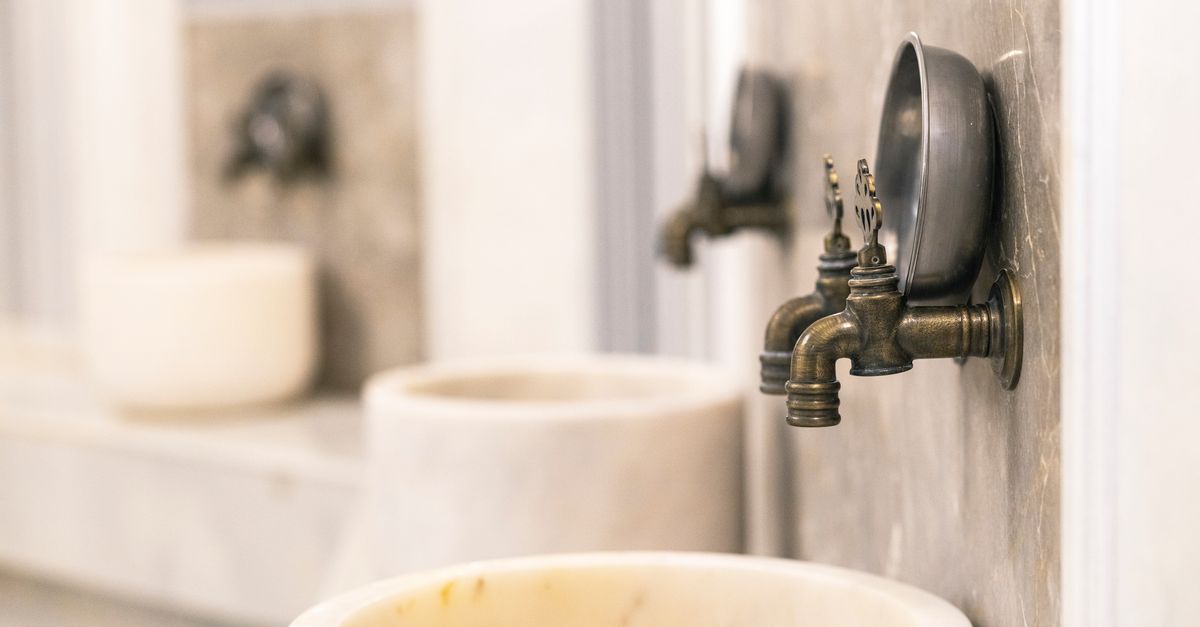
- Setting Up and Warming: Fill your buckets in the warm room using warm water from the central taps or stone basin (borma). Sit on a small plastic stool or mat, splash warm water over your body, and apply a smooth layer of saboun beldi over your skin.
- Steaming: Move into the hot room (al-sakhn) for 10 to 15 minutes to allow the combination of heat, steam, and soap to soften dead skin.
- Rinsing and Exfoliating: Thoroughly rinse off every trace of black soap with buckets of warm water. Put on your kessa glove and scrub skin using long, firm, vertical motions. Dead skin cells will roll off smoothly. If you have hired an attendant, they will perform this scrub across your back, legs, and arms.
- Washing Hair and Body: Wash your hair with shampoo or herbal ghassoul, apply any scalp treatments, and perform a final rinse.
- Cooling Down: Return to the cool room slowly, dry off thoroughly before stepping into your clean clothes, and allow your body temperature to stabilize before heading outdoors.
Post-Hammam Culinary Traditions in Northern Morocco
In northern culture, the hammam experience extends beyond the bathhouse doors. Exiting the warm environment triggers specific culinary habits aimed at restoring fluids, warming the core, and replenishing energy levels.
Local bathers typically avoid ice-cold drinks immediately after a bath, preferring warm, nutrient-rich foods served at nearby stalls or neighborhood cafes. The quintessential northern post-hammam dish is Bissara (also spelled Besara).
- What It Is: A smooth, thick, slow-simmered soup made from dried split fava beans (or occasionally dried green peas), puréed with garlic, olive oil, and sea salt.
- Ingredients and Preparation: Split fava beans are cooked down in heavy copper or earthenware pots until entirely smooth. The hot soup is ladled into wide terracotta bowls, drenched generously with raw extra-virgin olive oil from nearby Rif presses, and sprinkled heavily with ground cumin and hot dried chili flakes (flayfla).
- Regional Connection: Highly associated with Tetouan, Chefchaouen, and the surrounding mountain countryside, Bissara is the ultimate traditional comfort food for working-class neighborhoods and mountain climates.
- Typical Time and Occasion: Consumed widely in the cold morning hours or immediately following an afternoon hammam session to restore salt and body heat.
- Where to Find It: Small, plain food stalls (often called Mahlabas or dedicated Bissara shops) situated near medina gates, market squares, and within steps of traditional neighborhood hammams throughout Tetouan.
Alongside hot soups, bathers regularly stop at local cafes for hot green tea (atay) brewed with pennyroyal (sheeba) or fresh spearmint, accompanied by sweet dried figs (shreha) and local walnuts.

Key Historical Bathhouses and Attractions in Tetouan
Visiting a hammam can easily be integrated into a cultural walking itinerary through the UNESCO World Heritage Medina of Tetouan. Below are key sites and details for travelers planning a visit.
Hammam El-Balad (Medina of Tetouan)
- Why Visit: One of the oldest operating public bathhouses in Tetouan's historic quarter, featuring traditional vaulted brick ceilings, starry glass skylights, and authentic neighborhood atmosphere.
- Best Time to Visit: Morning hours for quiet sessions; early afternoon for women's communal hours.
- Duration: 1.5 to 2 hours.
- Access: Located within the central medina walking paths near Place El Hedim; pedestrian access only.
- Family Suitability: Suitable for adults and older children accompanied by a parent of the same gender. Young children frequently accompany mothers during women's hours.
- Cautions: Floors are very wet and slippery. Stone thresholds between hot rooms require careful stepping. Not recommended for travelers with severe heat sensitivity or cardiovascular concerns.
- Nearby Options: A short walk to the Royal Palace (Place Hassan II) and the Artisanal School (Dar Ba Mohamed Ben Abdelkrim).
The Medina of Tetouan (UNESCO World Heritage Site)
- Why Visit: Preserving one of the most complete urban layouts of Hispano-Moorish architectural tradition in North Africa, featuring whitewashed walls, carved plasterwork, and historic neighborhood quarters.
- Best Time to Visit: Mid-morning (9:00 AM – 12:00 PM) or late afternoon (4:00 PM – 7:00 PM).
- Duration: Half-day walking tour (3 to 4 hours).
- Access: Accessible on foot via entry gates such as Bab El-Okla, Bab Tout, and Bab Remouz.
- Family Suitability: Excellent for families, though narrow cobblestone streets are unsuitable for strollers.
- Cautions: Uneven paving stones throughout the historic quarter require sturdy walking shoes.
Practical Advice for Travelers in Northern Morocco
Operating Hours and Gender Schedules
Unlike Western spas open all day to all guests, neighborhood hammams strictly divide building hours by gender when operating a single structure:
- Women's Hours: Typically mid-morning to late afternoon (around 10:00 AM to 5:00 PM).
- Men's Hours: Typically early morning (5:00 AM to 9:00 AM) and late evening (6:00 PM to 11:00 PM).
Larger modern facilities may feature separate dual entrances and dedicated wings operating simultaneously throughout the day. Signs posted by the entry door state active operating times in Arabic and French.
Payment and Currency Expectations
Public bathhouses operate strictly on a cash basis. Always carry small Moroccan Dirham banknotes (10, 20, and 50 MAD notes) as cashiers cannot break 100 or 200 MAD notes for small entry fees.
- Standard Admission: Typically ranges between 10 and 20 MAD ($1.00 – $2.00 USD) for entry.
- Attendant Scrubbing Fee: Usually 50 to 100 MAD ($5.00 – $10.00 USD), paid directly to the attendant as compensation for their work.
- Basic Supplies (Soap/Mitt): 5 to 15 MAD per item at neighborhood shops.
Accessibility Considerations
Historic public hammams feature low doorways, raised stone sills to contain bathwater, and smooth tile floors that become very slippery when soap residue settles. Travelers with significant mobility impairments or balance difficulties should exercise extreme caution, ensure high-traction footwear is worn at all times, or choose accessible modern hotel spa facilities equipped with flat entryways and safety handrails.
Preserving an Authentic Living Culture
Participating in a neighborhood public bath in Tetouan or the surrounding Rif region offers far more than skin deep exfoliation—it is an immersion into centuries of living North African social heritage. By respecting local modesty customs, packing regional bath ingredients, and following post-bath culinary traditions like enjoying a hot bowl of Bissara, visitors can meaningfully step into an authentic community ritual that continues to nourish the physical and social health of Northern Morocco.
